


Can You Eat Before a Visa Blood Test? Preparation Tips Explained
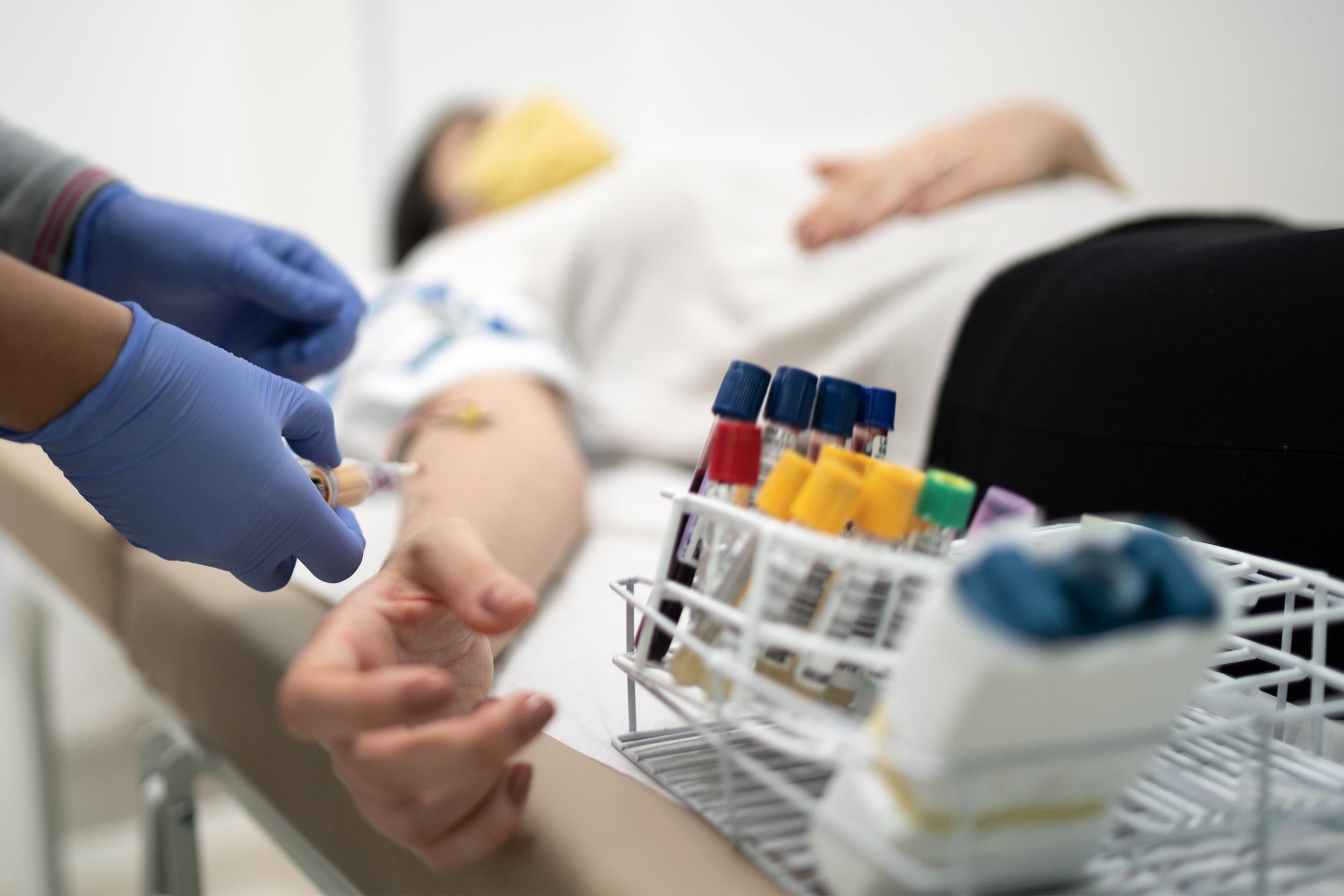
Preparing for a visa medical examination often creates a long list of questions. One of the simplest can also be one of the most confusing: Can you eat before a visa blood test?
The short answer is that it depends on the specific tests included in your immigration medical examination. Not every blood test requires fasting, and eating before testing does not automatically make a visa medical examination invalid. However, if your healthcare provider has specifically instructed you to fast, you should follow those instructions carefully.
A Visa Blood Test Dubai is usually part of a broader medical assessment, and preparation requirements can vary according to the visa category, immigration authority, applicant circumstances, and tests being performed.
This guide explains when fasting may be necessary, what you can usually drink, how to prepare the night before, and what to do if you accidentally eat before your appointment.
First, Does a Visa Blood Test Require Fasting?
There is no universal fasting rule for every visa blood test.
Whether you need to avoid food depends on the laboratory tests requested by the medical provider. Some blood tests can be performed without fasting, while others may produce more useful or standardized results when a person has not eaten for a specified period.
Immigration medical examinations can also include several different components, meaning the preparation instructions may not be based on the blood test alone.
Your appointment could involve:
- Blood testing
- Physical examination
- Medical history review
- Urine testing
- Chest imaging
- Infectious disease screening
- Additional investigations when required
Therefore, do not assume that fasting is required simply because blood will be collected.
The best approach is to follow the instructions provided by the authorized medical provider conducting your examination.
Why Do Some Blood Tests Require Fasting?
Food and certain beverages can temporarily affect some substances measured in the bloodstream.
Depending on the test, eating may influence markers such as blood glucose or triglycerides. For some tests, fasting helps provide more standardized conditions for interpreting results.
However, the need for fasting depends on the specific laboratory investigation.
This is why general advice such as “always fast before a blood test” is not appropriate for every appointment.
If your visa medical provider has not instructed you to fast, contact the clinic if you are uncertain rather than following a fasting routine unnecessarily.
What Is the Difference Between a Routine Blood Test and a Visa Blood Test?
A routine health screening and an immigration medical examination serve different purposes.
A general health check may evaluate:
- Cholesterol
- Blood glucose
- Kidney function
- Liver function
- Blood cell counts
- Thyroid function
- Other general health markers
An immigration medical examination, however, is performed according to requirements established by the relevant immigration system.
Depending on the program, laboratory testing may focus on specific infectious diseases or other medically relevant conditions.
For example, certain immigration medical protocols may include testing for infections such as HIV or syphilis. Other conditions may require different forms of assessment.
This distinction matters because fasting requirements for a general health panel may not apply to the specific tests included in your immigration examination.
The Best Rule: Follow Your Clinic's Instructions
If your medical provider says fast before your visa blood test, follow that instruction.
If the provider says fasting is unnecessary, you generally do not need to skip meals simply because blood will be drawn.
Before your appointment, ask:
“Do I need to fast for the blood tests included in my immigration medical examination?”
Also ask:
- How long should I fast?
- Can I drink water?
- Can I take my regular medication?
- Can I have tea or coffee?
- Should I avoid supplements?
- What should I do if I accidentally eat?
Getting answers directly from the clinic is more reliable than applying general blood-testing advice to an immigration examination.
What Can You Usually Drink During Fasting?
If fasting is specifically required, your medical provider may allow plain water.
Water can be helpful because adequate hydration may make blood collection easier.
However, other beverages may not be permitted during a fasting period.
Depending on the laboratory instructions, you may be asked to avoid:
- Coffee
- Tea
- Juice
- Soft drinks
- Energy drinks
- Milk
- Sweetened beverages
Even beverages that seem harmless can contain calories or substances that may affect certain laboratory measurements.
Follow the exact instructions from your medical provider.
Can You Take Your Regular Medication?
Do not automatically stop prescription medication because you are fasting.
Some medicines should be taken at their usual time, while others may require specific instructions before laboratory testing.
The correct approach is to ask your doctor or the medical clinic conducting the visa examination.
Tell the provider about all regular medications, including prescription medicines and commonly used supplements.
If you have a medical condition that requires food with medication, mention this before following fasting instructions.
Your health should not be compromised simply to prepare for a laboratory test.
What About Vitamins and Supplements?
It is wise to ask your healthcare provider whether you should take vitamins or supplements before the examination.
Some supplements may affect certain laboratory measurements, although whether this matters depends on the test being performed.
Do not deliberately take or stop supplements in an attempt to change your blood test results.
The purpose of the immigration medical examination is to provide accurate health information according to the required protocol.
What Should You Eat the Night Before?
If fasting is not required, there is generally no reason to make dramatic changes to your normal diet simply because you have a visa blood test the next morning.
A practical approach is to eat a normal, balanced meal and stay adequately hydrated.
Avoid experimenting with unusual diets, extreme fasting, excessive supplements, or other measures intended to influence laboratory results.
If fasting is required, follow the clinic's specific instructions about when your fasting period should begin.
The exact duration can vary depending on the tests being performed.
Can Eating Affect an Infectious Disease Blood Test?
Not every blood test responds to food in the same way.
Many infectious disease tests are designed to detect specific biological markers such as antibodies, antigens, or genetic material. Eating a normal meal does not necessarily interfere with these tests.
However, an immigration medical examination may contain several tests, and your preparation instructions may apply to the complete laboratory panel rather than one specific test.
For this reason, applicants should follow the instructions given by their medical provider instead of assuming that eating is harmless or that fasting is mandatory.
What If You Accidentally Eat Before the Test?
Do not panic.
If you were supposed to fast but accidentally ate breakfast, tell the clinic when you arrive or contact them before the appointment.
The healthcare professional can determine whether:
- The blood test can still be performed
- The test needs to be postponed
- Only certain measurements could be affected
- Additional preparation is necessary
Do not hide the fact that you ate.
Accurate information helps the healthcare provider decide how to handle the test correctly.
A Simple Morning-of-Test Routine:
If fasting is not required, you can generally follow the instructions provided by your clinic without making unnecessary changes.
If fasting is required, a practical routine may look like this:
The night before:
Eat according to your healthcare provider's instructions.
Begin the fasting period at the specified time if instructed.
Avoid unauthorized food or beverages during the fasting period.
The morning of the appointment:
Drink only what your provider permits.
Take medication according to medical instructions.
Bring your identification and immigration documents.
Arrive on time.
Tell the provider if you accidentally ate or drank something outside the permitted instructions.
This simple routine can help reduce uncertainty.
What Else Should You Bring to the Visa Medical Examination?
Food is only one part of preparation.
Depending on your immigration program, you may need:
- Passport or approved identification
- Visa or immigration documents
- Medical examination forms
- Appointment confirmation
- Previous medical reports
- Medication list
- Vaccination records
- Specialist reports
- Relevant imaging or laboratory reports
Your authorized medical provider should tell you exactly what is required.
Different immigration programs may have different documentation requirements.
Can Stress or Anxiety Affect Your Appointment?
It is normal to feel nervous before an immigration medical examination.
Stress does not usually mean that your medical test will be inaccurate, but anxiety can make the appointment feel more difficult than necessary.
Prepare your documents in advance, confirm the fasting requirements beforehand, and arrive with enough time to complete registration.
If you feel dizzy or uncomfortable during blood collection, tell the healthcare professional.
Does a Visa Blood Test Check Your Overall Health?
Not necessarily.
This is another important point.
An immigration blood test is not automatically a comprehensive health screening.
The tests are selected according to the medical requirements applicable to your visa or immigration process.
Depending on the program, the overall examination may assess specific infectious diseases or other medical concerns.
A normal result therefore does not mean that every possible medical condition has been ruled out.
What If Your Blood Test Result Is Abnormal?
An abnormal or reactive result does not necessarily mean that the final medical assessment is complete.
Some screening tests require confirmatory testing or additional medical evaluation.
The physician may review:
- Laboratory findings
- Medical history
- Previous treatment
- Additional test results
- Physical examination findings
If further investigation is necessary, follow the instructions provided by the medical professional.
Avoid interpreting a single laboratory value without understanding which test was performed and what the result means.
Frequently Asked Questions:
Can I eat before a visa blood test?
It depends on the tests required. Many blood tests do not require fasting, but some do. Always follow the instructions from your authorized medical provider.
Can I drink water before a fasting blood test?
Plain water is often permitted during fasting, but follow the specific instructions provided by your clinic.
Can I drink coffee before my blood test?
If you have been instructed to fast, do not assume coffee is permitted. Ask your medical provider because coffee may not meet the laboratory's fasting requirements.
Can I take medication before the test?
Do not stop prescribed medication without medical advice. Ask your doctor or testing provider whether your medication should be taken before the examination.
What if I ate before a fasting blood test?
Tell the medical provider. They can decide whether the test can proceed or should be rescheduled.
Does fasting affect every visa blood test?
No. Fasting requirements depend on the specific laboratory tests included in your immigration medical examination.
Should I avoid food even if the clinic did not tell me to fast?
Generally, you should not assume fasting is necessary. Contact the clinic if you are unsure.
Visa Blood Test Preparation: Quick Checklist
Before your appointment, remember these key points:
Check the instructions: Confirm whether fasting is required.
Ask questions: Clarify food, drinks, medication, and supplements.
Stay hydrated: Drink water if permitted.
Do not stop medication: Follow medical advice.
Bring documents: Carry identification, immigration forms, and requested medical records.
Report accidental eating: Tell the provider if you were instructed to fast but ate.
Avoid unnecessary changes: Do not attempt to manipulate your test results.
Allow enough time: Additional medical evaluation may sometimes be required.
Final Takeaway:
So, can you eat before a visa blood test? Sometimes, yes. But there is no universal answer because the need for fasting depends on the specific tests included in your immigration medical examination.
Some infectious disease screening Lab tests may not require fasting, while other laboratory measurements can be affected by recent food intake. Your visa medical provider may therefore give instructions that differ from those provided for a standard health check.
The safest preparation is to confirm the requirements directly with the authorized clinic. If fasting is required, follow the specified fasting period and ask what beverages and medications are allowed. If fasting is not required, there is usually no reason to skip meals simply because blood will be collected.
Above all, be honest about what you have eaten, what medications you take, and any relevant medical circumstances. Accurate information helps the healthcare professional interpret your results correctly and complete the immigration medical examination according to the applicable requirements.
Immigration medical rules can vary by visa category and change over time, so always follow the latest instructions provided by the relevant immigration authority and your authorized medical provider.

 English
 Arabic
 Spanish
 Portuguese
 Deutsch
 Turkish
 Dutch
Dutch
 Italiano
 Russian
 Romaian
 Portuguese (Brazil)
 Greek
Greek
