


Affordable Dubai Holiday Packages: Discovering Dubai’s Architectural Journey from Wind Towers to Skyscrapers
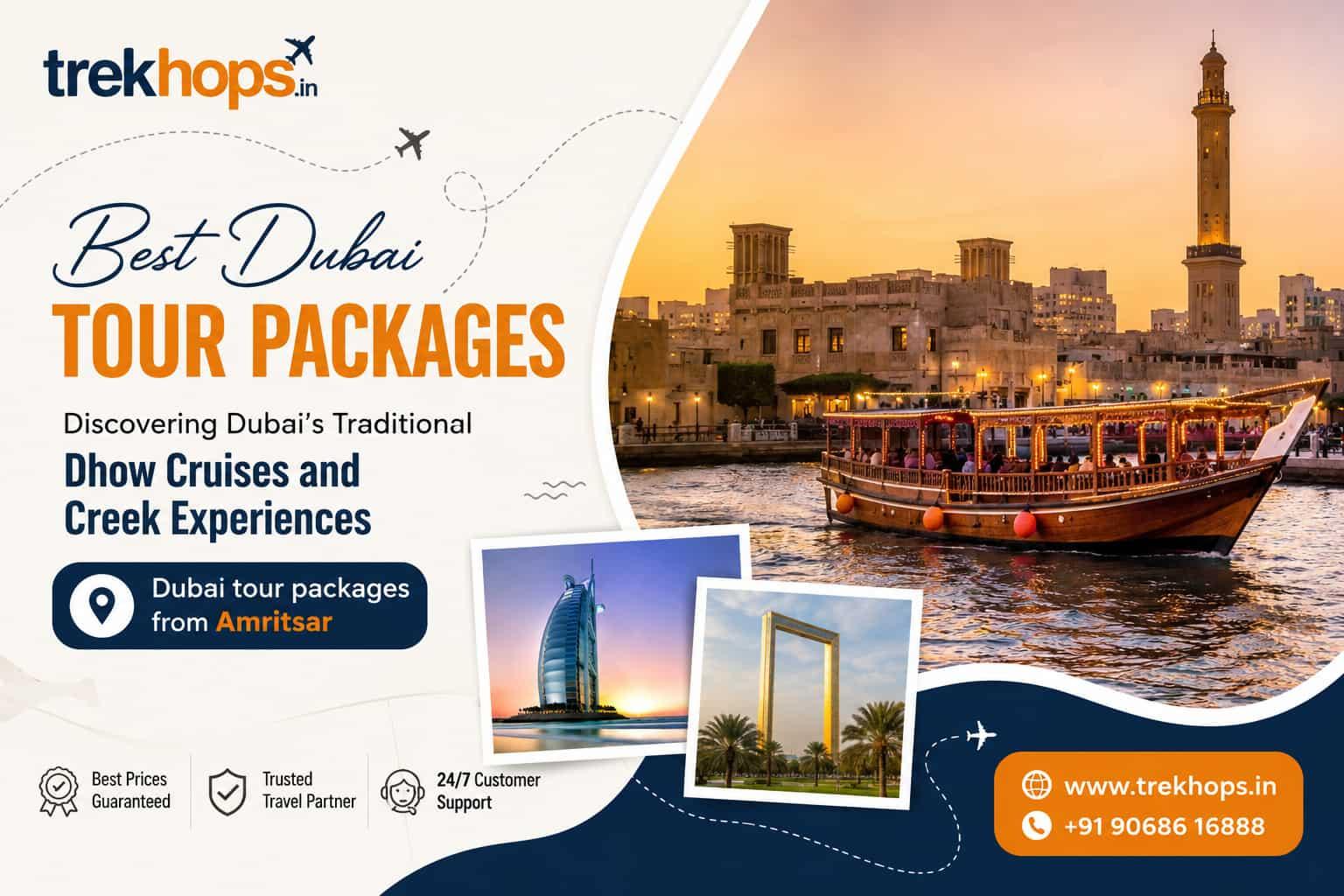
Dubai is famous for its extraordinary skyline, where futuristic towers, luxury hotels, and innovative structures create one of the world's most recognizable urban landscapes. However, the city's architectural story began long before skyscrapers dominated the horizon.
Traditional homes, narrow lanes, courtyards, and wind towers once defined Dubai's built environment. These structures were designed around the region's climate, available materials, cultural traditions, and practical needs. Over time, Dubai's architecture evolved alongside economic growth, new technologies, and changing lifestyles.
For travelers comparing Affordable Dubai Holiday Packages, exploring this architectural journey offers a different way to understand how Dubai transformed from a modest coastal settlement into a modern global city.
Traditional Architecture in Early Dubai
Before modern construction technology became widespread, Dubai's buildings were designed to respond naturally to the hot desert climate.
Homes and community spaces often used locally available materials and architectural techniques that helped create shade and improve ventilation.
Courtyards and Shaded Spaces
Traditional houses frequently included courtyards that provided a more private outdoor environment.
Walls and shaded passageways helped reduce direct exposure to the intense sun, while the layout of buildings supported privacy and community life.
These practical features demonstrate how architecture was closely connected to everyday needs.
The Role of Wind Towers
One of the most recognizable elements of traditional Gulf architecture is the wind tower, sometimes called a barjeel.
Wind towers were designed to capture moving air and direct it into buildings.
A Natural Approach to Cooling
Before mechanical air-conditioning became common, passive ventilation was extremely valuable.
A wind tower could help circulate air through an interior space, creating a more comfortable environment during hot conditions.
This architectural technique demonstrates how traditional builders used environmental knowledge to respond to Dubai's climate.
Traditional Materials and Construction
Historic buildings often relied on materials suitable for the local environment.
Depending on the structure and period, construction could involve materials such as:
-
Coral stone
-
Gypsum
-
Palm wood
-
Mud
-
Timber
-
Plaster
Architecture Reflecting Local Resources
The use of locally available materials helped communities construct homes and commercial buildings with the resources accessible at the time.
These structures also reflected local craftsmanship and traditional building knowledge.
Dubai Creek and Urban Development
Dubai Creek played an important role in the city's early growth.
As fishing, pearling, and trade expanded, communities developed around the waterway.
Architecture Around Commerce
Markets, warehouses, homes, mosques, and commercial buildings gradually formed the urban fabric of historic districts.
Areas around Bur Dubai and Deira became important centers of community and trade.
Today, these neighborhoods provide visitors with opportunities to see architectural elements that predate Dubai's modern skyline.
The Beginning of Rapid Transformation
Dubai's architecture began changing rapidly as the city's economy expanded.
Improved infrastructure, increased trade, population growth, and investment created demand for new buildings and larger urban developments.
From Low-Rise Buildings to Modern Structures
Traditional low-rise construction gradually gave way to:
-
Multi-story buildings
-
Modern offices
-
Hotels
-
Shopping centers
-
Residential towers
-
Large infrastructure projects
This transformation changed Dubai's skyline and introduced new architectural possibilities.
The Impact of Modern Engineering
Advances in engineering and construction technology made it possible to build structures that would have been difficult or impossible in earlier periods.
Modern materials such as reinforced concrete, steel, and advanced glass systems allowed architects to experiment with height, shape, and scale.
Building for a Growing City
As Dubai became an international business and tourism destination, buildings had to accommodate larger populations and more complex functions.
Architecture therefore became an important part of the city's economic development.
The Rise of Dubai’s Skyscrapers
The modern Dubai skyline is defined by high-rise architecture.
Towering residential buildings, hotels, offices, and mixed-use developments have transformed the city's visual identity.
Vertical Growth
Skyscrapers allow large numbers of people and businesses to operate within relatively concentrated urban areas.
They also create recognizable landmarks that contribute to Dubai's global tourism appeal.
Iconic Modern Architecture
Dubai's modern architecture includes several internationally recognized landmarks.
Structures such as Burj Khalifa demonstrate the possibilities of contemporary engineering and high-rise design.
Architecture as a Tourism Attraction
Modern buildings are no longer simply functional spaces.
Their distinctive designs have become attractions in their own right.
Visitors often travel to Dubai specifically to see its skyline, photograph its landmarks, and experience observation decks and architectural spaces.
Combining Heritage With Modern Design
Dubai's architectural identity is not limited to either historic buildings or futuristic towers.
The city contains both.
Two Architectural Eras in One Destination
Travelers can explore traditional neighborhoods in the morning and visit modern skyscrapers later in the day.
This contrast makes Dubai particularly interesting for visitors interested in architecture.
The relationship between old and new demonstrates how the city has changed while retaining parts of its cultural heritage.
Sustainable Ideas and Traditional Architecture
Some principles found in traditional architecture continue to influence modern design.
Passive cooling, shading, natural ventilation, and careful orientation can help reduce dependence on mechanical systems.
Learning From the Past
Modern architects increasingly explore ways to combine technological innovation with environmental considerations.
Traditional wind towers provide an example of how climate-responsive design existed long before contemporary sustainability became a major architectural focus.
Planning an Architecture-Focused Dubai Trip
Travelers interested in architecture can create an itinerary that includes both heritage and modern landmarks.
A balanced day might include:
Morning: Explore historic Dubai
Afternoon: Visit architectural landmarks
Evening: Experience the modern skyline
This approach allows visitors to see the city's architectural transformation in a relatively short period.
Choosing Affordable Dubai Holiday Packages
When comparing Affordable Dubai Holiday Packages, travelers interested in architecture should consider hotel location, transportation, sightseeing inclusions, and free time.
A convenient hotel location can make it easier to visit both historic districts and modern attractions.
What to Compare
Before choosing a package, check:
-
Hotel category
-
Flight arrangements
-
Airport transfers
-
Sightseeing inclusions
-
Attraction tickets
-
Transportation
-
Free time
-
Overall trip duration
A lower-cost package can still provide a rewarding experience when the itinerary is planned around the traveler's interests.
Planning an Affordable Dubai Holiday From Amritsar
Travelers from Punjab can compare Dubai holiday options according to their preferred travel dates, accommodation choices, budget, and sightseeing priorities.
For those considering an Affordable Dubai holiday from Amritsar, comparing flight schedules, hotel locations, transfers, sightseeing inclusions, and total package costs can help create a practical itinerary.
Travelers interested in architecture can prioritize packages that leave enough time for both heritage areas and modern landmarks.
Final Thoughts
Dubai's architectural journey tells the story of a city undergoing extraordinary change.
Wind towers, courtyards, traditional homes, and historic markets represent an earlier period when architecture responded directly to climate, community, and available resources. Modern skyscrapers represent another era shaped by advanced engineering, international investment, technology, and ambitious urban development.
For travelers exploring Affordable Dubai Holiday Packages, seeing both sides of this transformation can make the journey more meaningful.
From the natural ventilation of traditional wind towers to the engineering achievements of today's skyscrapers, Dubai's architecture reflects a remarkable journey from practical coastal buildings to one of the world's most recognizable modern skylines.

 English
 Arabic
 French
 Spanish
 Portuguese
 Deutsch
 Dutch
Dutch
 Italiano
 Russian
 Romaian
 Portuguese (Brazil)
 Greek
Greek
