


Strength-Building Foods for Cancer Recovery and Better Energy
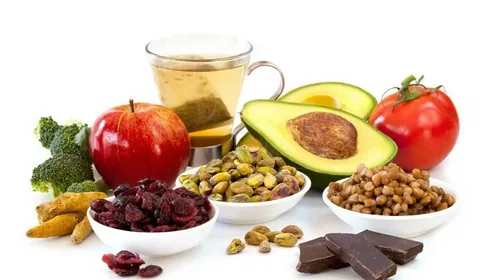
The experience of overcoming cancer can impose particular stresses on the body, whether they are experienced during treatment or afterward. Fatigue, reduction in muscle mass, nutritional changes and a host of other problems such as pain and nausea, inflammation and deprivation from various nutrients all arise. These stresses shift the role of food from sustenance to the restoration of immunity, energy, and muscle mass.
No individual food is going to “cure” cancer or ensure recovery, but a diet that is properly formulated can, without doubt, assist markedly in healing, raising the quality of life, and restoring the body’s working capacity. Emphasis will normally be placed on energy-dense, protein-rich, anti-inflammatory foods that are readily tolerated and assimilated.
Below are comprehensive instructions for energy boosters and muscle-building foods suggested during the cancer recovery period.
1. Protein-Rich Foods: The Foundation of Recovery
It is vital to provide the body with enough protein to enable tissue repair, muscle maintenance, and ensure a healthy immune system. Cancer itself and treatments cause muscle depletion (cachexia), so protein levels should be monitored closely.
Helpful protein sources include:
- Eggs: Soft, easily digested, and loaded with high-quality protein and indispensable amino acids.
- Fish: Especially fatty varieties such as salmon, mackerel, sardines, and pilchard, which also offer anti-inflammatory omega-3 fats.
- Poultry: Chicken and turkey are light, low fat, adaptable, and easy to digest.
- Dairy: Yogurt, milk, and paneer (cottage cheese) supply protein and calcium. Yogurt additionally provides probiotics that benefit gut health.
- Plant proteins: Lentils, chickpeas, beans, tofu, and soy products are particularly useful for those avoiding animal foods.
For those with poor appetite, small frequent protein-rich meals or smoothies may be easier than large portions.
2. Energy-Dense Foods: Fighting Fatigue
Fatigue due to cancer is one of the most common and long-standing symptoms. A diet high in energy-dense foods helps maintain caloric intake when appetite is poor.
Good options include:
- Nuts and nut butters: Almonds, peanuts, cashews, and peanut butter are calorie-dense and rich in healthy fats.
- Seeds: Chia, flax, sunflower, and pumpkin seeds provide nutrients and fiber.
- Avocados: Rich in healthy monounsaturated fats and highly calorie-dense.
- Whole grains: Oats, brown rice, quinoa, and whole wheat support sustained energy release.
- Dried fruits: Raisins, dates, apricots, and figs provide concentrated energy.
Including these foods in meals and snacks helps maintain weight and energy levels without large food volumes.
3. Anti-Inflammatory Foods: Supporting Healing
Cancer and its treatments may increase inflammation levels. Anti-inflammatory foods can help reduce bodily stress and support recovery.
Key choices include:
- Turmeric: Contains curcumin, studied for anti-inflammatory effects. Often used in curries and milk.
- Ginger: Helps reduce nausea and supports digestion.
- Garlic and onions: Contain sulfur compounds that support immune function.
- Berries: Blueberries, strawberries, and blackberries are rich in antioxidants.
- Leafy greens: Spinach, kale, and methi (fenugreek leaves) provide vitamins A, C, and K.
These foods do not replace medical treatment but support overall health and cell repair.
4. Immune-Supporting Foods: Strengthening Defense Systems
Cancer treatment can suppress immunity, and recovery requires nutrients such as vitamins A, C, E, zinc, and selenium.
Examples include:
- Citrus fruits: Oranges and lemons are rich in vitamin C.
- Carrots and sweet potatoes: Rich in beta-carotene (vitamin A precursor).
- Nuts and seeds: Especially Brazil nuts (selenium) and pumpkin seeds (zinc).
- Bell peppers and tomatoes: High in antioxidants.
- Mushrooms: Shiitake, maitake, and button mushrooms may support immune activity.
A colorful plate is often a good indicator of nutrient diversity.
5. Gut-Friendly Foods: Restoring Digestion
Chemotherapy and antibiotics can disrupt gut bacteria, causing bloating, diarrhea, or poor nutrient absorption.
Gut-supportive foods include:
- Yogurt and kefir: Provide probiotics for gut health.
- Fermented foods: Idli, dosa batter, kanji, or sauerkraut.
- Bananas: Easy to digest and helpful for bowel regulation.
- Oats: Gentle fiber for intestinal health.
- Cooked vegetables: Easier to digest than raw vegetables during recovery.
Warm fluids, soups, and broths are also important.
6. Iron- and B12-Rich Foods: Combating Weakness
Cancer patients often experience anemia, leading to fatigue, dizziness, and weakness.
Iron-rich foods:
- Spinach and leafy greens
- Lentils and beans
- Red meat (if tolerated)
- Jaggery (in moderation)
Vitamin B12 sources:
- Eggs
- Dairy products
- Fish and meat
Iron absorption improves when paired with vitamin C (e.g., lemon juice).
7. Hydrating and Soothing Foods
Hydration supports all body functions during recovery.
- Coconut water: Provides electrolytes and natural sugars.
- Soups and broths: Easy to digest and nutrient-rich.
- Herbal teas: Ginger, chamomile, peppermint help reduce nausea.
- High-water fruits: Watermelon, oranges, cucumbers.
For dry mouth or taste changes, flavored water or mild broths may be better tolerated.
8. Easy-to-Digest Comfort Foods
During treatment cycles, appetite may fluctuate. Soft foods are often best tolerated:
- Khichdi (rice and lentils)
- Idli with mild chutney
- Mashed potatoes or sweet potatoes
- Rice porridge (congee or jook)
- Scrambled eggs
These foods are gentle on digestion while still nutritious.
9. Foods to Limit During Recovery
Certain foods may worsen symptoms or interfere with healing:
- Highly processed foods (chips, packaged snacks)
- Excess sugar (can worsen inflammation and energy crashes)
- Deep-fried foods (hard to digest)
- Alcohol (can interfere with recovery and medication)
- Very spicy or acidic foods (especially if nausea or mouth sores are present)
This is about moderation rather than strict restriction.
10. The Bigger Picture: Eating for Strength, Not Perfection
Every cancer patient is different. Side effects, treatment stage, cultural food habits, and personal preferences vary widely. What works at one stage may not work at another.
Main goals include:
- Maintaining weight and muscle mass
- Staying hydrated
- Consuming enough calories and protein
- Supporting comfort and quality of life
Flexible eating patterns such as smoothies, soups, and small frequent meals are often more practical than rigid diets.
Final Thoughts
Strength-building foods for cancer recovery are not about rigid rules or “superfoods.” They are about consistently giving the body what it needs to repair, protect, and regain energy. Protein-rich foods rebuild tissues, energy-dense foods combat fatigue, and anti-inflammatory and gut-friendly foods support long-term healing.
Recovery is gradual, and nutrition plays a supportive—not standalone—role. When combined with medical care, rest, and emotional support, a thoughtful diet can make daily life feel more manageable and help the body regain strength step by step.

 English
 Arabic
 French
 Spanish
 Portuguese
 Deutsch
 Turkish
 Dutch
Dutch
 Italiano
 Russian
 Portuguese (Brazil)
 Greek
Greek
