


Best Hot Water System with Solar Panels: A Smarter Way to Heat Water
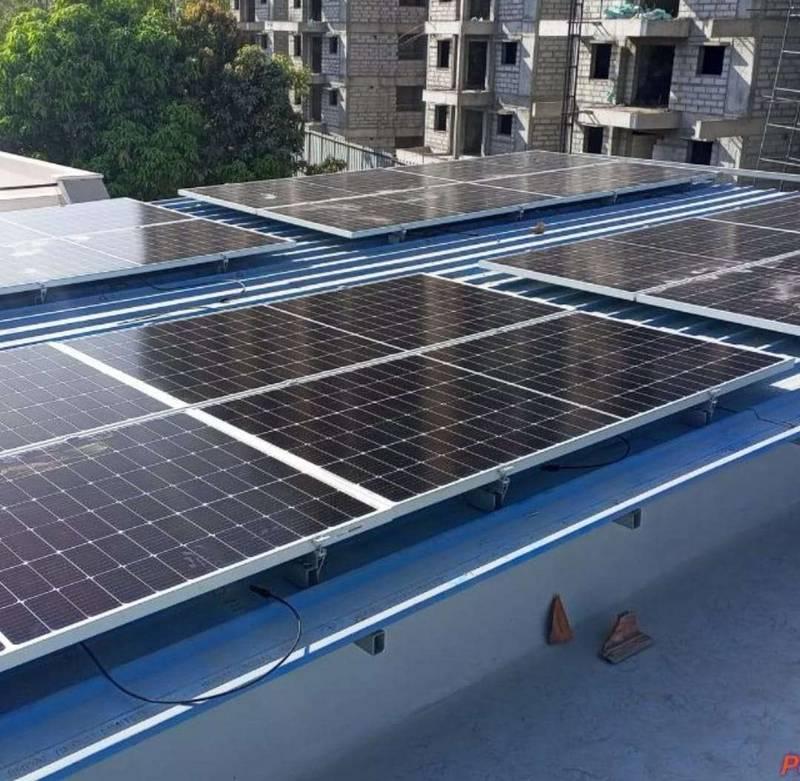
Hot water is an essential requirement in homes, hotels, hospitals, hostels, offices, and many commercial facilities. Traditional electric water heaters can consume a significant amount of electricity, especially when hot water is required every day. A hot water system with solar panels offers a more sustainable alternative by using sunlight as the primary source of heat.
Solar water-heating systems use solar collectors, an insulated storage tank, and connecting pipes to capture solar energy and heat water. They are considered a mature and cost-effective renewable-energy application.
What Is a Solar Hot Water System?
A solar hot water system is designed to heat and store water using solar energy. Unlike a conventional electric geyser, the main heating process does not require electricity.
The system generally consists of:
Solar collectors
Insulated hot-water storage tank
Connecting pipes
Supporting structure
Temperature and flow controls
Optional electric backup
Solar collectors absorb heat from sunlight and transfer it to the water. The heated water is stored in an insulated tank and can be used later for bathing, cleaning, kitchens, and other applications.
Which Solar Hot Water System Is Best?
There is no single system that is ideal for every property. The best option depends on household size, daily hot-water consumption, roof space, water quality, climate, and budget.
Two major collector technologies are commonly considered: Evacuated Tube Collectors (ETC) and Flat Plate Collectors (FPC). Both have different advantages and should be selected according to the installation environment.
Evacuated Tube Collector System
ETC systems use double-layer glass tubes with an evacuated space that helps reduce heat loss. They are widely used for residential solar water heating and can offer an economical solution.
They may be particularly suitable when the budget is limited and the water quality is reasonably suitable for the system. However, areas with hard water require additional consideration because mineral deposits can affect performance.
Flat Plate Collector System
Flat Plate Collector systems use an insulated collector with a heat-absorbing surface. They are a well-established solar-water-heating technology and are standardized under relevant Indian standards
FPC systems can be a good choice where durability and long-term performance are priorities. They can also be considered for installations where water quality and operating conditions make a more robust collector preferable.
Choosing the Right Capacity
Capacity is one of the most important factors when selecting a solar hot water system.
For a household, the required capacity depends mainly on the number of people and their daily hot-water usage. A smaller family may need a 100- or 150-litre system, while larger households may require 200 litres or more.
For commercial applications, significantly larger systems may be necessary. Solar water heaters in the 100–500 litres per day range are commonly suited to domestic applications, while larger installations can be used for hotels, hospitals, restaurants, canteens, and other facilities
Selecting the correct capacity prevents unnecessary investment while ensuring sufficient hot water.
Solar Water Heating With Backup
Although solar energy can provide most of the heating requirement under suitable conditions, cloudy or rainy weather can reduce solar heat generation. For this reason, a backup heating system can make the setup more convenient.
An electric backup can heat water when solar energy is insufficient. This means users can continue to receive hot water even during periods of limited sunlight.
A hybrid approach combining solar heating with backup heating can therefore provide a practical balance between sustainability and convenience.
Benefits of a Solar Hot Water System
A well-designed solar hot water system can provide several advantages.
Lower Electricity Consumption
Because sunlight provides the primary heating energy, dependence on electric geysers can be reduced. Government information notes that a 100-litre solar water heater can replace an electric geyser and may save approximately 1,500 units of electricity annually, although actual savings vary with usage and conditions
Environmentally Friendly
Solar water heating uses renewable solar energy instead of continuously consuming conventional fuels. This can help reduce the environmental impact associated with conventional water heating.
Long-Term Savings
Although the initial installation cost is higher than some conventional water heaters, the system can reduce ongoing electricity consumption. The savings can become increasingly valuable over years of regular use.
Suitable for Different Applications
Solar hot water systems can be installed for homes as well as larger facilities such as hotels, hospitals, hostels, restaurants, canteens, and industrial applications
Important Factors Before Installation
Before purchasing a solar hot water system, several factors should be considered.
Roof space: The property needs adequate space for the collectors and storage tank.
Sunlight availability: Collectors should receive sufficient direct sunlight and should not be heavily shaded.
Water quality: Hard water can affect some types of solar collectors, so local water conditions should be evaluated.
Capacity: The system should be sized according to actual daily hot-water requirements.
Backup: An electric backup can be useful for cloudy days and periods of unusually high demand.
Quality and standards: Choosing systems and components that comply with applicable Indian standards can help ensure better quality and performance. MNRE lists standards covering both evacuated-tube and flat-plate solar-water-heating technologies.
Is Solar Hot Water Worth It?
For properties with regular hot-water requirements and adequate sunlight, a solar hot water system can be a practical long-term investment. It can reduce electricity consumption while making use of a free and renewable energy resource.
The actual financial savings depend on the system capacity, installation cost, hot-water usage, local electricity prices, sunlight conditions, and maintenance.
Conclusion
The best hot water system with solar panels is one that matches the property's hot-water requirements, available roof space, local climate, water quality, and budget. For many homes, a properly sized solar water heater with an insulated storage tank and suitable backup system can provide a reliable and energy-efficient solution.
By using sunlight instead of relying entirely on electricity, solar water heating can reduce energy consumption and support a more sustainable lifestyle. With the right system design and professional installation, it can be an effective solution for both residential and commercial hot-water requirements.

 English
 Arabic
 French
 Spanish
 Deutsch
 Turkish
 Dutch
Dutch
 Italiano
 Russian
 Romaian
 Portuguese (Brazil)
 Greek
Greek
