


How Do Structural Repair Contractors Restore Damaged Structures?
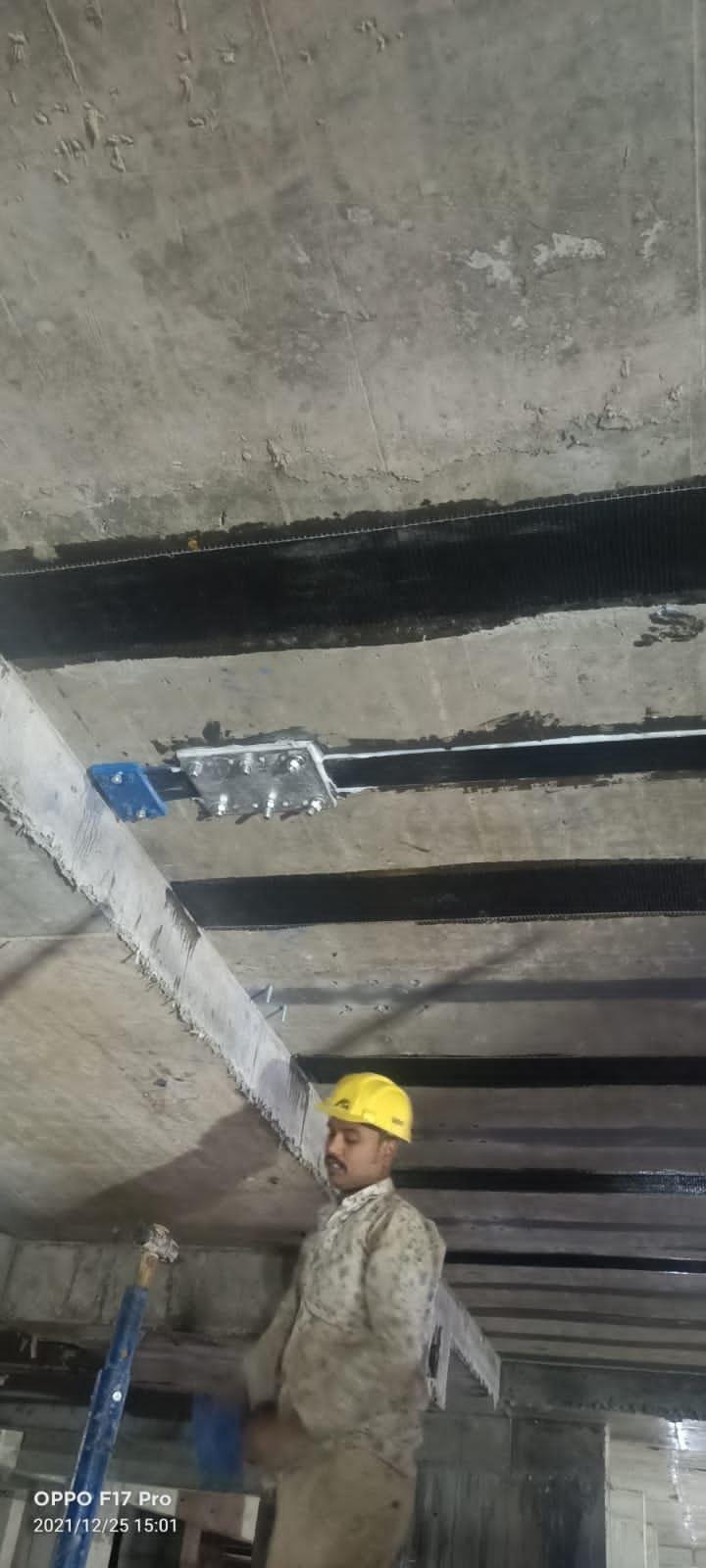
Structural repair services are essential when buildings and concrete structures begin showing signs of deterioration, cracking, corrosion, leakage, spalling, or reduced strength. Unlike cosmetic maintenance, structural repair focuses on restoring the performance and durability of critical components such as beams, columns, slabs, foundations, and other RCC members. Timely intervention can prevent minor defects from becoming expensive structural problems while helping property owners preserve the value and usability of existing assets. Buildings are continuously exposed to moisture, temperature changes, chemicals, operational loads, environmental conditions, and natural ageing. Over time, these factors can affect concrete and reinforcement, especially when maintenance is delayed. Cracks may widen, reinforcement may corrode, and damaged concrete may start separating from the surface. For this reason, professional concrete restoration solutions should begin with understanding the cause of deterioration rather than simply covering visible defects with conventional patching materials.
What Are Structural Repair Services?
Structural repair services involve the inspection, diagnosis, repair, restoration, and strengthening of damaged structural elements. The objective is to restore the required structural performance while addressing the underlying cause of deterioration. Depending on site conditions, the work may include concrete repair, reinforcement treatment, crack injection, jacketing, grouting, strengthening, protective coatings, or waterproofing. The selected solution should be based on the condition of the structure, its usage, and the severity of damage.
Professional structural repair is different from ordinary building maintenance because the work can directly influence structural safety and load-carrying performance. Structural repair contractors therefore need to understand how damage has developed and how the proposed treatment will perform over time. A repair that looks satisfactory immediately after completion may fail prematurely if corrosion, water ingress, movement, poor bonding, or another underlying mechanism remains untreated.
Why Do Concrete Structures Require Repairs?
Concrete structures can deteriorate because of reinforcement corrosion, carbonation, chloride exposure, water penetration, chemical attack, poor workmanship, overloading, construction defects, or prolonged environmental exposure. Industrial facilities may experience additional deterioration from chemicals, vibration, heat, and demanding operating conditions. Coastal structures can also face aggressive moisture and salt exposure. Identifying the actual deterioration mechanism is therefore an important part of developing a durable RCC repair strategy for the affected structure.
Another common cause is inadequate maintenance. Small cracks, leaking joints, exposed reinforcement, dampness, and concrete delamination may initially appear manageable. However, continued exposure to water and aggressive substances can accelerate deterioration. Once reinforcement begins corroding, the expanding rust can create internal pressure, leading to cracking and spalling of the surrounding concrete. Early assessment allows property owners to address deterioration before more extensive rehabilitation or strengthening becomes necessary.
Common Signs That a Structure Needs Repair
Visible structural cracks are among the most noticeable warning signs. However, not every crack has the same cause or significance. Cracks may result from shrinkage, temperature movement, settlement, overloading, corrosion, or structural distress. Similarly, rust stains, exposed reinforcement, hollow-sounding concrete, spalling, unusual deflection, and persistent water leakage can indicate deeper deterioration. A professional inspection helps determine whether the observed defect is cosmetic, durability-related, or structurally significant.
Water leakage deserves particular attention because moisture can contribute to reinforcement corrosion and deterioration of concrete. Terraces, roofs, basements, podiums, expansion joints, tanks, and other exposed areas can become pathways for water ingress. If leakage reaches reinforcement, repeated wetting and drying may accelerate corrosion and concrete damage. Consequently, effective water ingress protection may need to form part of a broader structural repair programme rather than being treated as an isolated waterproofing problem.
How Structural Repair Contractors Assess Damage
A reliable repair project normally begins with a condition assessment. The inspection should examine visible distress, structural elements, previous repairs, environmental exposure, usage, and available drawings or records. Depending on the project, engineers may recommend additional investigation or testing to understand concrete quality, reinforcement condition, cracking, corrosion, or other deterioration mechanisms. The purpose is to develop an informed repair approach instead of selecting materials based only on appearance.
Once the condition is understood, structural repair contractors can prepare a suitable repair methodology. This may include defining damaged areas, removing unsound concrete, treating reinforcement, restoring the concrete section, repairing cracks, strengthening deficient members, and protecting the repaired surface. The sequence is important because each stage affects the performance of the next. Proper surface preparation and reinforcement treatment, for example, are essential for achieving a durable concrete repair.
Concrete Repair and Restoration
Concrete restoration generally involves removing deteriorated or loose concrete and rebuilding the affected section with an appropriate repair material. The choice between repair mortar, polymer-modified systems, micro-concrete, sprayed concrete, or another material depends on the repair geometry, depth, accessibility, reinforcement congestion, structural requirements, and project specifications. The objective is not simply to make the surface look new but to restore the required performance and provide appropriate protection to the reinforcement.
When reinforcement is exposed, the damaged concrete around the steel must be carefully removed to reach sound material. The reinforcement can then be cleaned and assessed for corrosion or section loss before an appropriate protective and restoration system is applied. Where corrosion has significantly affected reinforcement, additional engineering measures may be necessary. Simply covering corroded steel with fresh mortar without addressing the corrosion mechanism can result in recurring deterioration.
Structural Crack Repair
Crack repair is another important part of structural rehabilitation. The correct treatment depends on crack width, depth, location, movement, moisture conditions, and the reason for cracking. Stable structural cracks may require suitable injection systems, while moving cracks or joints may require flexible treatments. Epoxy injection is commonly considered where structural bonding is appropriate, whereas polyurethane-based injection can be useful for certain water-ingress conditions. The repair material must always match the actual problem.
Crack repair should therefore never be approached as a simple filling exercise. Before selecting an injection or sealing method, engineers should investigate whether the crack is active, whether water is entering through it, and whether the crack is associated with structural movement or deterioration. Structural crack rehabilitation becomes more effective when the source of distress is addressed alongside the visible crack, reducing the possibility of repeated cracking or leakage after repair.
Reinforcement Corrosion Treatment
Corrosion of reinforcement is a major concern in ageing reinforced concrete structures. Water, chlorides, carbonation, and other environmental factors can reduce the protection normally provided by concrete. As corrosion progresses, reinforcement expands and can cause cracking, delamination, and spalling. If enough steel section is lost, the structural capacity and durability of the affected member may also be compromised. A repair programme must therefore consider both concrete restoration and reinforcement protection.
A typical corrosion repair may involve removing unsound concrete, exposing affected reinforcement, cleaning the steel, assessing its condition, applying an appropriate protection system, and restoring the concrete section. Depending on the extent and cause of deterioration, additional corrosion-control measures may be considered. Reinforcement corrosion control is particularly important in structures exposed to marine environments, industrial chemicals, high humidity, or persistent water ingress because these conditions can accelerate deterioration.
Beam and Column Repairs
Beams and columns are critical load-carrying elements, so deterioration in these components requires careful evaluation. Cracking, spalling, reinforcement corrosion, impact damage, or changes in loading can affect their performance. Repair may involve concrete restoration, reinforcement treatment, jacketing, strengthening systems, or a combination of methods. The appropriate solution depends on the existing capacity, damage level, geometry, accessibility, and future loading requirements.
Column strengthening may involve reinforced concrete jacketing, micro-concrete jacketing, steel jacketing, or fibre-reinforced systems where suitable. Beam strengthening can similarly use engineered strengthening techniques selected according to the required increase in capacity. Load-bearing member restoration should be planned as an engineering exercise, because the repair must work with the existing structure and satisfy the performance requirements established for the project.
Slab and Foundation Repairs
Slabs can deteriorate due to reinforcement corrosion, leakage, overloading, inadequate drainage, construction defects, or prolonged environmental exposure. Typical signs include cracking, concrete delamination, exposed reinforcement, damp patches, and localized deterioration. Depending on the extent of damage, repairs may include concrete restoration, reinforcement treatment, crack repair, waterproofing, strengthening, or localized reconstruction. The final approach should consider both the damaged area and the cause responsible for the deterioration.
Foundation problems require a different level of investigation because foundations transfer structural loads to the supporting ground. Settlement, groundwater conditions, changes in loading, construction nearby, or deterioration of foundation materials can affect performance. Foundation repair and strengthening may require specialized assessment before work begins. Foundation rehabilitation planning should therefore be based on engineering evaluation, site conditions, structural requirements, and the intended long-term use of the building rather than a standard repair procedure.
Structural Strengthening Versus Structural Repair
Structural repair and structural strengthening are related but different requirements. Repair generally aims to restore damaged or deteriorated elements, while strengthening aims to increase capacity or improve structural performance. A structure may require one or both approaches. For example, a corroded column may first require concrete and reinforcement restoration and then strengthening if its existing capacity is insufficient for current or future loading.
Strengthening may become necessary when a building changes use, receives additional equipment, experiences increased loads, or needs to meet updated performance requirements. Techniques can include carbon fibre reinforced polymer systems, steel plates, jacketing, micro-concrete systems, or other engineered solutions. Structural capacity enhancement should be designed around the existing structure and the required performance rather than selected simply because a particular strengthening method is popular.
Role of Waterproofing in Structural Repairs
Waterproofing can play an important supporting role in structural rehabilitation because controlling water ingress helps protect repaired concrete and reinforcement. However, waterproofing should not be considered a substitute for structural repair. If concrete has already deteriorated or reinforcement has corroded, the underlying structural damage still needs to be addressed. Once the damaged area is repaired, suitable waterproofing or protective systems can help reduce future exposure to moisture.
Roofs, terraces, basements, water tanks, podiums, decks, and exposed concrete surfaces may require different waterproofing approaches depending on their conditions. The selected system should consider movement, drainage, substrate condition, exposure, and expected service requirements. Durability-focused waterproofing is most effective when integrated into a wider maintenance and rehabilitation plan that protects repaired areas from recurring moisture-related deterioration.
Choosing the Right Structural Repair Contractors
Selecting structural repair contractors should involve more than comparing project quotations. Owners should consider technical experience, repair methodology, quality-control procedures, safety practices, manpower, equipment, material selection, and experience with similar structures. Contractors should also be able to explain why a particular repair method is appropriate for the observed deterioration. A technically suitable approach can help reduce recurring repairs, operational disruption, and unnecessary replacement costs.
For complex industrial, commercial, and infrastructure projects, it is useful to choose a contractor capable of handling assessment, repair, strengthening, protection, and site execution as an integrated process. Gubbi Civil Engineers Limited can be considered by organisations seeking an experienced structural repair partner, particularly where specialised repair, strengthening, concrete restoration, and rehabilitation solutions are required across demanding operating environments.
Why Timely Structural Repair Matters
Delaying structural repairs can allow deterioration to progress beyond the original affected area. A small area of concrete spalling may expose reinforcement to moisture, while untreated corrosion can continue beneath apparently sound concrete. Similarly, persistent leakage can gradually increase the risk of reinforcement corrosion and concrete degradation. Early intervention generally gives owners more opportunity to select targeted repair solutions before deterioration becomes more extensive.
Timely repairs can also help reduce disruption to building occupants and industrial operations. Planned rehabilitation allows work to be scheduled around operational requirements, access limitations, safety controls, and production activities. In some cases, repairing and strengthening an existing structure can be more practical than demolishing and rebuilding it. Proactive structural maintenance therefore supports safety, durability, asset preservation, and long-term operational continuity.
Structural Repair Process: From Inspection to Completion
A structured repair process normally starts with inspection and documentation of existing defects. The next stages involve determining the likely causes, assessing the severity of deterioration, developing the repair methodology, preparing the work area, and executing the specified treatment. Quality checks should be carried out throughout the work rather than only after completion. This approach helps verify that each repair stage has been performed according to project requirements.
After repair and strengthening works are completed, the affected areas should be reviewed to confirm that the required restoration has been achieved. Protective coatings, waterproofing, or other durability measures may be applied where specified. Documentation of completed repairs can also support future maintenance planning. Engineered repair execution provides a systematic way to move from identifying structural distress to restoring the structure's required performance and serviceability.
Applications Across Different Structures
Structural repair services are relevant to many types of assets, including residential buildings, commercial properties, industrial plants, warehouses, bridges, ports, dams, parking structures, educational facilities, power infrastructure, and other RCC structures. Each environment presents different deterioration mechanisms and operational constraints. Industrial facilities may require repairs around active machinery, while infrastructure projects can involve restricted access, environmental exposure, traffic management, or difficult working conditions.
The repair strategy should therefore be tailored to the structure rather than copied from another project. A high-rise building with reinforcement corrosion has different requirements from a marine jetty exposed to saltwater or an industrial structure exposed to chemicals. Site-specific rehabilitation planning allows structural repair contractors to account for environmental conditions, accessibility, existing damage, operational requirements, and the expected service life of the repaired asset.
Benefits of Professional Structural Repair Services
Professional structural repair can help restore damaged elements, improve durability, extend service life, and reduce the risk of progressive deterioration. It can also provide a practical alternative to extensive reconstruction where the existing structure remains suitable for rehabilitation. The benefits depend on accurate diagnosis, suitable engineering design, quality materials, competent workmanship, and proper protection after repair. A repair programme should therefore focus on long-term performance rather than short-term visual improvement.
For building owners, facility managers, industrial operators, and infrastructure authorities, planned structural rehabilitation can also support better asset management. Identifying deterioration early allows maintenance budgets and shutdown periods to be planned more effectively. Long-term structural asset protection combines inspection, repair, strengthening, waterproofing, corrosion control, and periodic maintenance to keep existing structures functional and reliable for their intended service life. Structural repair services are an important part of maintaining ageing and damaged concrete structures. Cracks, corrosion, spalling, leakage, and deterioration should not automatically be treated as isolated surface problems because they may indicate deeper issues affecting durability or structural performance. Professional structural repair contractors can assess the condition, identify the underlying causes, and develop appropriate repair or strengthening strategies based on the structure's requirements. The most effective approach is to act before deterioration becomes extensive. Proper inspection, engineering assessment, surface preparation, reinforcement treatment, concrete restoration, strengthening, waterproofing, and protective measures can work together to restore structural performance and extend service life. For organisations looking for reliable structural rehabilitation expertise, selecting an experienced contractor with technical capabilities across repair, restoration, strengthening, and protection can make a significant difference to the long-term performance of the structure.

 English
 Arabic
 French
 Spanish
 Portuguese
 Deutsch
 Turkish
 Dutch
Dutch
 Italiano
 Russian
 Romaian
 Portuguese (Brazil)
