


Emergency Dental Care in Charlotte, NC: What to Know When You Need Immediate Help
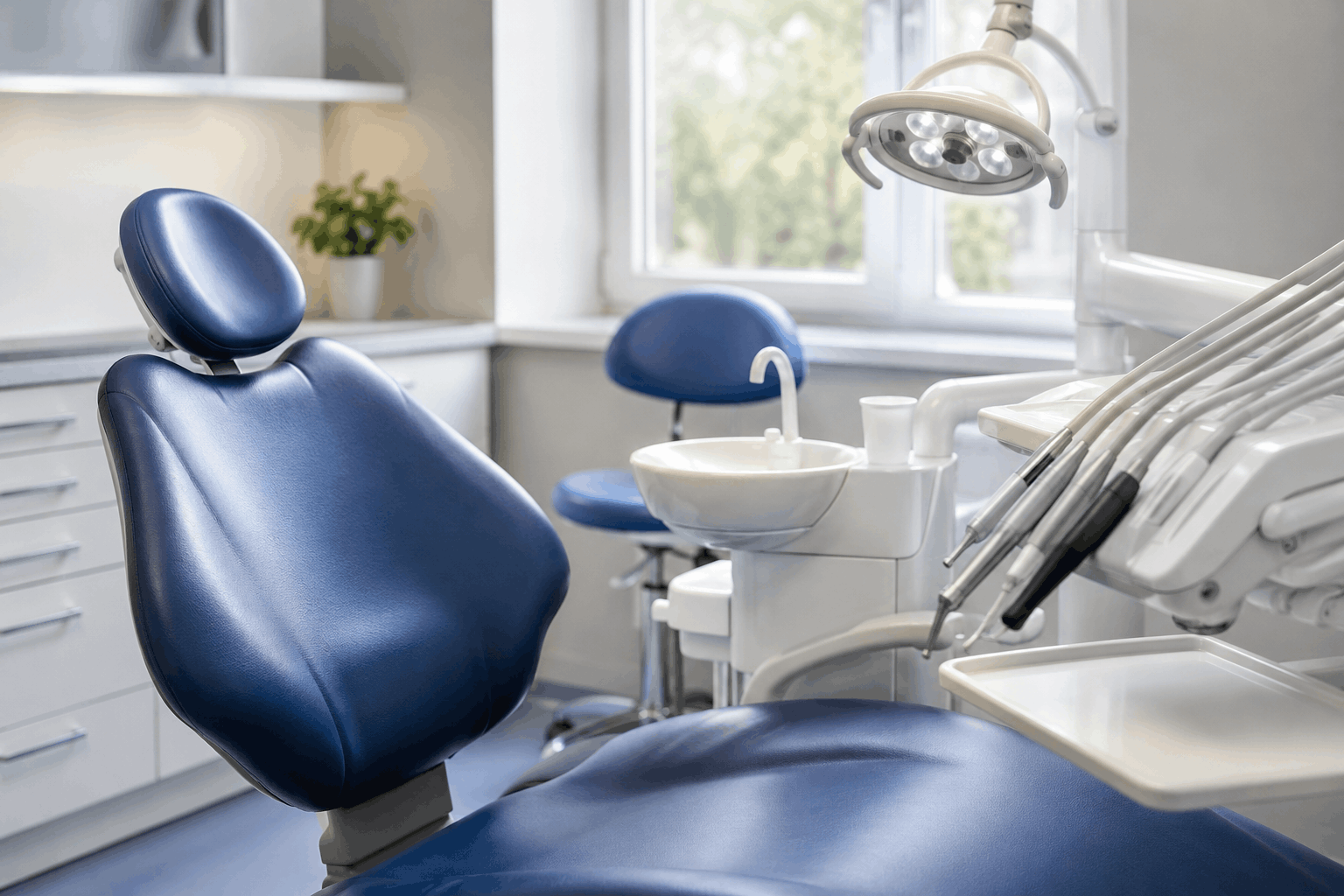
An Emergency Dentist in Charlotte can provide prompt evaluation when severe tooth pain, facial swelling, dental trauma, uncontrolled bleeding, or a broken tooth cannot reasonably wait for a routine appointment. Urgent dental problems can worsen when treatment is delayed, particularly when an infection or injury is involved. For Charlotte residents, knowing which symptoms require immediate attention can help protect both oral health and overall well-being.
Emergency dental care is focused on identifying the cause of a sudden problem, controlling pain, treating infection or injury, and preventing further complications. Patients in areas throughout Charlotte, including University City, East Charlotte, Uptown, and surrounding Mecklenburg County communities, may need urgent attention after an accident, sudden infection, or rapidly developing toothache.
When Is a Dental Problem an Emergency?
Not every toothache requires emergency treatment, but certain symptoms should not be ignored. Severe or persistent tooth pain, significant swelling around the face or jaw, a knocked-out permanent tooth, uncontrolled oral bleeding, a dental abscess, or a tooth fractured by trauma can all warrant prompt professional assessment.
Difficulty breathing or swallowing, rapidly increasing facial swelling, or signs that an infection may be spreading require particularly urgent attention. In these situations, seeking appropriate emergency medical care may also be necessary.
A useful rule is simple: if the problem is causing severe pain, threatening a tooth, producing substantial swelling or bleeding, or interfering with normal breathing or swallowing, waiting several days for a routine appointment may not be appropriate.
Common Reasons Charlotte Patients Seek Urgent Dental Treatment
Dental emergencies can happen unexpectedly. A sports injury, automobile accident, fall, biting something hard, or untreated cavity can quickly develop into a serious problem.
Common urgent situations include:
- Severe toothache that does not improve
- Cracked, fractured, or severely damaged teeth
- Knocked-out permanent teeth
- Loose or displaced teeth after an injury
- Dental abscesses and localized infections
- Significant swelling of the gums, cheek, or jaw
- Persistent bleeding following dental trauma
- Lost fillings or crowns accompanied by significant pain
- Pain associated with wisdom teeth or surrounding gum tissue
The appropriate treatment depends on the underlying cause. A professional examination can determine whether the tooth needs restoration, drainage, root canal treatment, extraction, medication, or another form of care.
Why Delaying Treatment Can Be Risky
Ignoring dental pain does not necessarily mean the underlying problem is resolving. Tooth decay can progress into deeper layers of the tooth, while bacterial infections may develop into abscesses. According to the CDC's 2024 Oral Health Surveillance Report, approximately 20.5% of U.S. adults ages 20–64 had at least one untreated cavity based on 2017–March 2020 data.
The CDC also reports that untreated cavities can cause pain and infections and may develop into an abscess. In severe circumstances, infection can spread beyond the affected tooth and create serious health complications.
These figures highlight why prompt attention matters. A minor dental concern can become more complicated when treatment is postponed.
Emergency Dental Care Versus the Hospital Emergency Room
For many tooth-specific problems, a dental professional is better positioned to address the underlying cause than a general emergency department. A dentist can examine the affected tooth, evaluate surrounding tissues, take appropriate dental imaging when needed, and provide procedures designed to resolve the dental problem.
However, some symptoms should be treated as broader medical emergencies. Severe facial swelling that affects breathing or swallowing, extensive facial trauma, loss of consciousness, or other potentially life-threatening symptoms may require immediate emergency medical attention.
The goal is not simply to reduce discomfort temporarily. Effective urgent dental treatment should address the source of the problem whenever clinically possible.
The Growing Need for Timely Dental Treatment
National data demonstrate how frequently Americans experience dental problems serious enough to require unplanned care. A 2025 National Center for Health Statistics report found an estimated average of approximately 1.94 million emergency department visits for tooth disorders each year during 2020–2022. Tooth disorders represented about 1.4% of all emergency department visits during that period.
The CDC has also emphasized the economic and health consequences of untreated oral disease, reporting that the United States loses more than $45 billion in productivity annually because of untreated oral disease.
These statistics reinforce an important point for Charlotte residents: timely dental evaluation can help prevent avoidable pain, complications, and disruption to daily life.
What to Do Before Reaching a Dentist
While arranging professional care, patients should avoid actions that could worsen the injury. Rinsing gently with clean water can help keep the mouth clean after certain injuries. A cold compress placed against the outside of the cheek may help with swelling after trauma.
If a permanent tooth has been completely knocked out, handle it carefully by the crown rather than the root and seek dental attention immediately. Do not attempt to force a damaged tooth back into position.
Pain medication may provide temporary relief for some people, but it does not eliminate the underlying cause of an infection, fracture, or other dental condition. Patients should follow medication directions and seek professional guidance when symptoms are severe.
Choosing Urgent Dental Care in Charlotte
When selecting a dental provider, consider accessibility, experience with urgent conditions, location, appointment availability, and the ability to evaluate different types of dental emergencies. A conveniently located practice can be particularly valuable when pain or swelling makes travel difficult.
For Charlotte residents seeking care near East Arbors Drive and surrounding communities, Emergency Dentist Charlotte provides a local option for addressing urgent dental concerns. The practice is located at 1824 East Arbors Drive, Charlotte, NC, making it accessible to patients looking for professional dental attention in the Charlotte area.
Final Thoughts
Dental emergencies are often unpredictable, but knowing the warning signs can make it easier to respond appropriately. Severe pain, swelling, infection, uncontrolled bleeding, and traumatic dental injuries should receive timely professional attention rather than being ignored.
As the American Dental Association has stated, “Oral health is integral to overall health.” For people experiencing an urgent dental problem in Charlotte, contacting Emergency Dentist Charlotte can be an important step toward identifying the problem, relieving discomfort, and protecting long-term oral health.

 English
 Arabic
 French
 Portuguese
 Deutsch
 Turkish
 Dutch
Dutch
 Italiano
 Russian
 Romaian
 Portuguese (Brazil)
 Greek
Greek
