


Top Kitchen Equipment for 2026: Essential Tools for Efficient Commercial Food Preparation
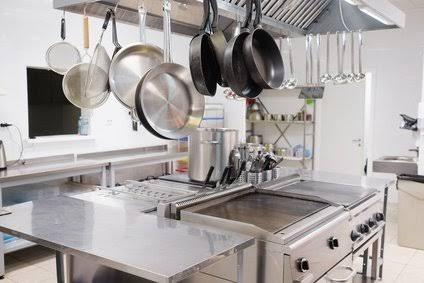
A successful commercial kitchen depends on more than skilled chefs and quality ingredients. The right equipment helps employees prepare food faster, maintain consistent results, reduce unnecessary movement, and handle busy service periods more effectively.
Choosing the right Kitchen Equipment in 2026 requires careful planning. Restaurant owners, cafés, bakeries, hotels, catering businesses, and food-service operations all have different menus and production requirements. A small café may need compact countertop appliances, while a high-volume restaurant may require large cooking systems, refrigeration, preparation stations, and specialized equipment.
The best approach is to start with the menu and expected production volume. Equipment should support the dishes you actually prepare, rather than simply filling the kitchen with appliances. Capacity, energy use, available space, maintenance, safety, and employee workflow should all be considered before making a purchase.
This guide covers the essential commercial equipment categories and explains how each can contribute to a more efficient food-preparation operation.
Why the Right Commercial Kitchen Equipment Matters
Commercial kitchens operate under constant time pressure. During breakfast, lunch, or dinner service, employees may need to prepare multiple orders at the same time.
Well-selected equipment can help businesses:
- Increase preparation speed
- Improve consistency
- Reduce manual labor
- Organize workstations
- Support higher production
- Reduce unnecessary movement
- Improve food quality
- Make cleaning easier
Capacity is particularly important. Equipment should be sized around realistic peak demand rather than an occasional maximum. Oversized equipment can waste money and valuable floor space, while undersized equipment can become a production bottleneck.
1. Commercial Ovens
Ovens are among the most important appliances in professional kitchens.
Depending on the menu, a restaurant may use:
- Convection ovens
- Combi ovens
- Deck ovens
- Pizza ovens
- Rack ovens
- Specialized bakery ovens
A commercial convection oven uses a fan to circulate heated air around the cooking chamber. This can provide more uniform cooking and faster heat transfer than a still-air oven. Commercial convection models are commonly used for roasting, baking, reheating, and cooking multiple trays of food.
When choosing an oven, consider:
- Cooking capacity
- Temperature range
- Recovery time
- Tray size
- Power requirements
- Ventilation
- Available space
- Cleaning requirements
2. Convection Oven
A Convection Oven is a versatile choice for many restaurants, cafés, and bakeries.
The circulating fan helps distribute hot air throughout the cooking chamber. This makes the appliance useful for products that need consistent heat across multiple trays.
Common applications include:
- Roasted vegetables
- Chicken
- Pastries
- Cookies
- Cakes
- Baked pasta
- Reheated foods
Commercial models are available in countertop and floor configurations. Tray capacity should be selected according to actual production requirements.
For example, a small café may find a compact countertop model sufficient, while a hotel or large bakery may require a larger multi-tray unit.
3. Pizza Oven
A dedicated Pizza oven is essential for restaurants where pizza is a major menu item.
Commercial pizza ovens are available in several formats, including:
- Deck ovens
- Conveyor ovens
- Stone-hearth ovens
- Gas models
- Electric models
Deck ovens can be useful for traditional pizza styles, while conveyor models are particularly useful when high-volume consistency is the priority. Stone-hearth systems can support artisan-style pizza concepts.
When choosing one, consider pizza size, expected orders per hour, cooking time, fuel type, ventilation, and available floor space.
Buying an undersized oven can create a serious bottleneck during busy service, while an oversized unit can waste space and capital.
4. Refrigeration
Reliable refrigeration is essential for food safety and ingredient quality.
Commercial kitchens may use:
- Reach-in refrigerators
- Undercounter refrigerators
- Walk-in coolers
- Refrigerated prep tables
- Display refrigerators
Refrigeration should be positioned close to preparation areas whenever practical. Frequently used ingredients should be easy for employees to access without crossing the entire kitchen.
Regular maintenance is also important. Door seals, condenser areas, temperature controls, and ventilation should be inspected according to the manufacturer's recommendations.
5. Freezers
Freezers provide long-term storage for appropriate frozen ingredients and prepared products.
They can be useful for:
- Frozen vegetables
- Meat
- Seafood
- Dough
- Frozen desserts
- Pre-portioned ingredients
Businesses should select freezer capacity according to purchasing patterns and production volume.
Avoid overloading the freezer because excessive loading can interfere with air circulation and make organization more difficult.
6. Commercial Ranges
A commercial range combines cooking surfaces with one or more ovens in many configurations.
It can be useful for restaurants preparing:
- Soups
- Sauces
- Pasta
- Vegetables
- Meat
- Breakfast dishes
Gas ranges are popular in many professional kitchens because they provide responsive heat control. Electric options may also be suitable depending on the building's utilities and cooking requirements.
7. Preparation Tables
Stainless steel preparation tables provide durable surfaces for food preparation.
They can be used for:
- Cutting
- Portioning
- Mixing
- Plating
- Assembly
- Packaging
Tables should provide enough workspace without blocking employee pathways.
For kitchens with limited floor space, equipment that combines storage and preparation functions can be especially useful.
8. Food Preparation Equipment
Small preparation appliances can save substantial labor over time.
Depending on the menu, a kitchen may need:
- Food processors
- Mixers
- Slicers
- Blenders
- Vegetable cutters
- Meat grinders
- Scales
Select each appliance according to the ingredients and quantities being processed.
A high-capacity food processor may be unnecessary for a small café, while a busy catering operation may benefit from larger commercial models.
9. Cooking Equipment
A complete commercial kitchen may require several types of cooking appliances.
Common examples include:
- Fryers
- Griddles
- Charbroilers
- Ranges
- Ovens
- Steamers
- Braising pans
The menu should determine which appliances receive priority.
A restaurant that primarily serves burgers may need a strong griddle and fryer, while a bakery may prioritize ovens, mixers, proofers, and refrigeration.
10. Ice-Making Equipment
A commercial ice-making system can produce different ice styles, including:
- Cube ice
- Half-cube ice
- Nugget ice
- Flake ice
Cube ice is commonly used for beverages, while flake ice may be suitable for food displays and rapid cooling.
Production capacity and storage capacity are different specifications. A business should consider both when determining its daily and peak ice requirements.
11. Storage Equipment
Good storage organization helps employees work more efficiently.
Commercial kitchens may require:
- Shelving
- Ingredient bins
- Storage racks
- Dunnage racks
- Cabinets
- Mobile carts
Dry ingredients should be stored in suitable food-grade containers and clearly labeled.
Frequently used ingredients should be positioned where employees can access them quickly.
12. Ventilation Systems
Ventilation is one of the most important parts of a commercial kitchen.
Cooking appliances can produce:
- Heat
- Smoke
- Grease vapors
- Steam
- Odors
Proper exhaust and make-up air systems help maintain a safer and more comfortable working environment.
Ventilation requirements depend on the equipment, fuel type, building design, and local regulations. Planning ventilation before purchasing major cooking appliances can prevent expensive installation problems later.
13. Dishwashing Equipment
Busy kitchens need efficient cleaning systems.
Depending on the operation, dishwashing equipment may include:
- Commercial dishwashers
- Three-compartment sinks
- Pre-rinse stations
- Pot-washing sinks
- Drying racks
The dishwashing area should ideally be separated from food preparation areas to reduce unnecessary cross-traffic.
14. Food Holding Equipment
Not every dish should be served immediately after cooking.
Commercial holding equipment can help maintain suitable temperatures for prepared foods during service.
Examples include:
- Holding cabinets
- Steam tables
- Heated shelves
- Food warmers
Food should always be held according to applicable food-safety requirements, with temperatures monitored using appropriate equipment.
15. Workstation Organization
The arrangement of equipment can have a major impact on productivity.
A logical workflow might follow:
Storage → Preparation → Cooking → Holding → Plating → Service
This reduces unnecessary employee movement.
For example, ingredients used frequently should be positioned near the preparation station, while cooking appliances should be arranged according to the order in which dishes are prepared.
A well-designed layout can sometimes improve productivity without requiring additional equipment.
16. Energy Efficiency
Energy costs can become a major part of restaurant operating expenses.
When comparing equipment, consider:
- Power consumption
- Heating efficiency
- Insulation
- Recovery time
- Refrigeration efficiency
- Operating hours
- Maintenance requirements
Energy-efficient equipment may cost more initially but can potentially reduce operating expenses over its service life.
Businesses should compare total ownership costs rather than focusing only on the purchase price.
17. Equipment Size and Kitchen Space
Space planning should happen before purchasing large appliances.
Measure:
- Doorways
- Equipment locations
- Walkways
- Ceiling height
- Utility connections
- Ventilation clearances
Do not forget maintenance access.
An appliance may physically fit into a kitchen but still be difficult to service if it is installed too close to walls or other equipment.
18. Gas vs. Electric Equipment
Commercial kitchens often choose between gas and electric appliances.
Gas Equipment
Potential benefits include:
- Responsive heat
- High cooking power
- Familiar operation
- Strong performance for certain cooking styles
Electric Equipment
Potential benefits include:
- Precise controls
- Consistent heating
- Easier installation in some locations
- Compatibility with kitchens without gas connections
The best choice depends on the menu, building infrastructure, utility costs, and local requirements.
19. Equipment Maintenance
Preventive maintenance can help extend equipment life and reduce unexpected breakdowns.
Regularly inspect:
- Door seals
- Heating elements
- Thermostats
- Electrical cords
- Gas connections
- Filters
- Refrigeration components
- Cooking surfaces
Employees should also clean equipment according to manufacturer instructions.
Maintenance schedules should be documented so important servicing is not forgotten.
20. New vs. Used Equipment
Used commercial equipment can sometimes reduce startup costs.
However, businesses should inspect used appliances carefully.
Check:
- Overall condition
- Electrical components
- Heating performance
- Refrigeration performance
- Controls
- Door seals
- Rust or corrosion
- Replacement-part availability
The cheapest equipment is not always the most economical choice if repairs are frequent.
21. Choosing Equipment by Business Type
Restaurant
Restaurants may need ranges, ovens, fryers, refrigeration, prep tables, dishwashers, and holding equipment.
Café
Cafés often benefit from compact cooking equipment, refrigeration, beverage equipment, preparation stations, and countertop ovens.
Bakery
Bakeries typically prioritize mixers, convection or deck ovens, proofers, refrigeration, preparation tables, and cooling racks.
Catering Business
Caterers may prioritize portable equipment, holding cabinets, mobile carts, refrigeration, and high-capacity cooking appliances.
Pizza Restaurant
Pizza-focused operations should prioritize an appropriate pizza oven, dough preparation equipment, refrigeration, ingredient storage, and efficient service stations.
22. Common Buying Mistakes
Buying Based Only on Price
Initial cost does not tell you the complete cost of ownership.
Choosing Too Much Capacity
Oversized equipment can waste space and energy.
Choosing Too Little Capacity
Undersized equipment can slow down service.
Ignoring Utilities
Always confirm electricity, gas, water, drainage, and ventilation requirements before purchasing.
Forgetting Workflow
Equipment should support the movement of food and employees through the kitchen.
Ignoring Maintenance
Choose equipment with accessible parts and practical service requirements.
23. 2026 Commercial Kitchen Buying Checklist
Before purchasing new Kitchen Equipment, consider:
- Menu requirements
- Daily production
- Peak service volume
- Equipment capacity
- Kitchen dimensions
- Electrical supply
- Gas supply
- Water requirements
- Drainage
- Ventilation
- Energy efficiency
- Cleaning
- Maintenance
- Warranty
- Replacement parts
- Employee training
This checklist can help prevent expensive purchasing mistakes.
Final Thoughts
The best Kitchen Equipment for 2026 should be selected according to the menu, production volume, available space, utilities, and workflow of the business. There is no single equipment package that works equally well for every restaurant, café, bakery, or catering operation.
A Convection Oven can provide versatile baking and roasting capabilities, particularly when a business needs consistent cooking across multiple trays. A dedicated Pizza oven is a better choice when pizza production is central to the menu and high-volume cooking is required.
Refrigeration, freezers, preparation tables, cooking appliances, storage systems, ventilation, dishwashing equipment, and food-holding systems should then be selected to support these core stations.
Businesses should also consider the relationship between equipment. Heat-producing appliances should be positioned appropriately in relation to refrigeration and ice-making systems, while preparation equipment should be placed close to the ingredients and cooking stations employees use most frequently.
Before buying, measure the kitchen, calculate realistic peak demand, confirm utility requirements, compare energy consumption, and review maintenance needs. This approach can help create a professional kitchen that is productive, organized, and easier to operate.
For restaurants, cafés, bakeries, hotels, and catering businesses planning a kitchen upgrade, Select Kitchen Equipment can be a useful resource for comparing commercial food-service solutions.
FAQs
1. What is the most important commercial kitchen equipment?
The most important equipment depends on the menu. Most restaurants need some combination of cooking equipment, refrigeration, preparation surfaces, storage, ventilation, and dishwashing systems.
2. Is a Convection Oven good for restaurants?
Yes. A commercial convection oven can be useful for baking, roasting, reheating, and cooking multiple trays of food with consistent heat distribution.
3. What type of oven is best for pizza?
A dedicated pizza oven is generally the better choice for businesses where pizza is a major part of the menu. Deck, conveyor, and stone-hearth models are designed for different production styles.
4. How do I choose the right equipment size?
Base capacity on realistic peak production rather than average demand. Also consider available floor space, employee workflow, and utility capacity.
5. Should I buy gas or electric equipment?
The choice depends on your menu, building utilities, energy costs, ventilation system, and preferred cooking method.
6. How can commercial equipment improve kitchen efficiency?
Properly selected equipment can reduce preparation time, improve consistency, reduce unnecessary movement, and help employees handle higher production volumes.
7. Why is ventilation important?
Ventilation helps remove heat, smoke, grease vapors, steam, and cooking odors. Commercial cooking equipment should be planned together with the appropriate ventilation system.
8. Is used commercial kitchen equipment worth buying?
It can be, particularly for businesses with limited startup budgets. However, used equipment should be inspected carefully for performance, condition, safety, maintenance history, and replacement-part availability.
9. How often should commercial equipment be maintained?
Cleaning should generally occur according to daily operating requirements, while mechanical maintenance should follow the manufacturer's recommended schedule.
10. What should I consider before opening a commercial kitchen?
Start with the menu, estimate production volume, plan the workflow, measure the space, confirm utilities and ventilation, select equipment based on actual needs, and establish cleaning and maintenance procedures before opening.

 English
 Arabic
 French
 Spanish
 Portuguese
 Deutsch
 Turkish
 Dutch
Dutch
 Italiano
 Russian
 Romaian
 Greek
Greek
