


Catheter Care at Home for Bedridden Patients
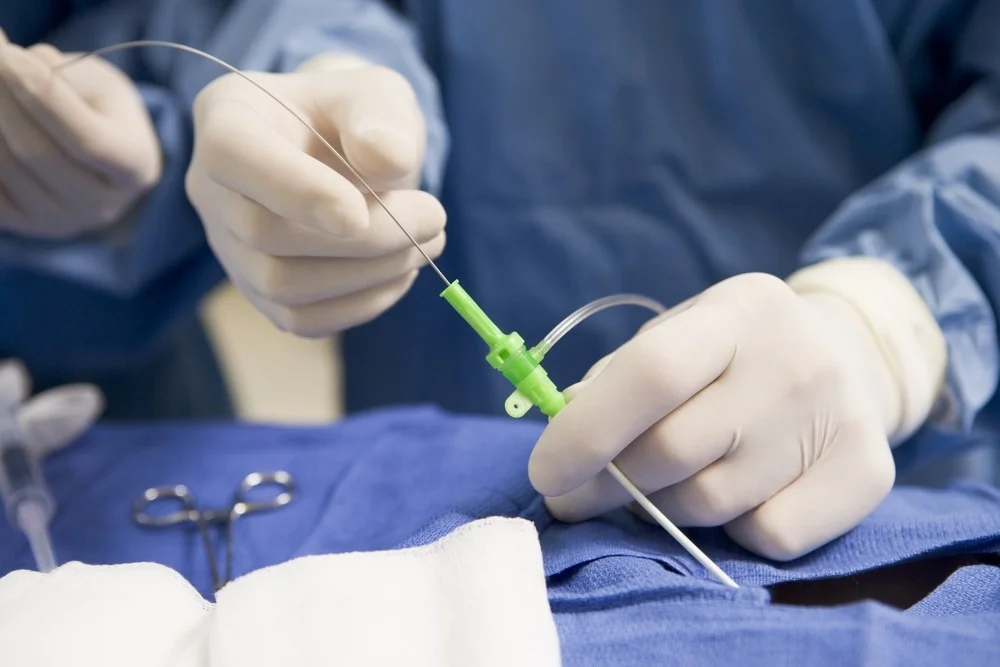
Providing catheter care for a bedridden patient requires patience, careful hygiene, and consistent monitoring to support comfort and reduce avoidable complications. For families seeking dependable Catheter Care at Home Dubai, understanding safe daily practices is particularly important when a loved one spends most or all of the day in bed. A Doctor at Home can assess the patient's condition and provide appropriate medical guidance, while qualified home healthcare professionals can assist with routine catheter management according to the patient's care plan. With proper preparation and professional support when needed, families can create a safer and more comfortable catheter-care routine at home.
Understand the Needs of a Bedridden Patient:
Bedridden patients may require additional assistance because they have limited ability to reposition themselves, maintain personal hygiene, or manage catheter equipment independently. Prolonged immobility can also increase the risk of skin irritation, pressure injuries, constipation, and accidental pulling of catheter tubing. Before beginning routine care, families should understand the type of catheter being used, why it is required, and which tasks they have been trained and authorized to perform. The healthcare team should provide specific instructions for catheter hygiene, drainage bag management, positioning, and follow-up. Caregivers should never remove, replace, or manipulate a catheter beyond their training and the patient's prescribed care plan.
Prioritize Hand Hygiene:
Hand hygiene should be performed before and after every catheter-related task. Caregivers should wash their hands thoroughly with soap and clean running water before touching the catheter, tubing, surrounding skin, or drainage bag. Hands should also be cleaned after handling urine, waste, or potentially contaminated materials. If soap and water are unavailable, an appropriate alcohol-based hand sanitizer may be used when hands are not visibly dirty. Keeping catheter supplies in a clean and accessible area can make the process easier and reduce unnecessary movement around the patient's bed. Consistent hand hygiene is one of the most practical steps families can take to reduce contamination during home catheter care.
Keep the Catheter Area Clean:
The skin surrounding the catheter should be cleaned according to the healthcare provider's instructions. Gentle cleaning with mild soap and water may be appropriate for routine external hygiene, but the exact method should be individualized to the patient's condition. Caregivers should avoid vigorous scrubbing, pulling, or twisting the catheter during cleaning. Afterward, the skin should be dried carefully to minimize prolonged moisture and irritation. Avoid powders, perfumes, creams, or antiseptic solutions around the catheter unless specifically recommended by a healthcare professional. Because bedridden patients may spend long periods in one position, caregivers should also regularly observe the surrounding skin for redness, swelling, tenderness, discharge, or breakdown.
Position the Drainage Bag Correctly:
Correct drainage bag positioning is especially important for bedridden patients because they may remain in one position for extended periods. The bag should generally stay below the level of the bladder to support urine flow and reduce the possibility of backflow. It should not be placed directly on the bed in a position that allows urine to flow backward toward the patient, and it should never rest on the floor. Tubing should be arranged without sharp bends, compression, or pressure underneath the patient's body. Before repositioning the patient, caregivers should check where the catheter tubing and drainage bag are located. Proper positioning can support effective drainage while reducing unnecessary tension on the catheter.
Manage the Drainage Bag Safely:
The drainage bag should be emptied according to the patient's care instructions and before it becomes excessively full or heavy. Caregivers should wash their hands before and after handling the bag and prevent the drainage outlet from touching potentially contaminated surfaces. For bedridden patients, it can be helpful to establish a routine for checking the bag during regular care activities. Safe practices include:
- Keep the drainage bag below bladder level.
- Check the tubing for kinks and compression.
- Empty the bag according to professional instructions.
- Keep the drainage outlet away from the bed, floor, and other contaminated surfaces.
- Secure the tubing without creating excessive tension.
- Follow the recommended cleaning and replacement instructions for the equipment.
These measures can help families maintain a more hygienic and predictable catheter-care routine.
Reposition the Patient Carefully:
Regular repositioning is important for many bedridden patients because prolonged pressure can contribute to skin damage and discomfort. When repositioning a patient with a catheter, caregivers should move the person carefully while ensuring that the catheter and tubing are not pulled, twisted, or trapped underneath the body. The drainage bag should remain appropriately positioned during and after movement. Families should follow the patient's individualized mobility and pressure-injury prevention plan, particularly if the person has limited sensation or significant medical conditions. If caregivers are uncertain about safe repositioning techniques, professional nursing guidance can provide practical instruction tailored to the patient's needs.
Monitor Urine Flow and Catheter Function:
Caregivers should regularly observe whether urine is flowing into the drainage bag and whether the tubing remains unobstructed. A sudden reduction or complete absence of urine may be associated with a kink, compression, blockage, displacement, or another problem. Caregivers can check whether the tubing is visibly bent or compressed if doing so is consistent with their instructions, but they should not force fluid through the catheter or attempt invasive methods to clear a suspected blockage unless specifically trained and instructed. If urine continues to stop draining, especially when the patient experiences pain, abdominal swelling, or significant discomfort, prompt professional medical assessment is important.
Watch for Signs of Infection:
Bedridden patients may have additional health vulnerabilities, making it important to recognize potential signs of catheter-related infection. Caregivers should monitor for fever, chills, lower abdominal discomfort, new or worsening pain, unusual weakness, or changes in the patient's general condition. Discharge around the catheter, significant blood in the urine, or sudden changes in urine drainage should also be reported to a healthcare professional. Cloudy or unusually strong-smelling urine does not automatically indicate an infection because urine appearance can change for several reasons. However, when these changes occur with other symptoms, medical advice should be sought. Families should never use leftover antibiotics or attempt to treat a suspected infection without professional guidance.
Protect the Skin and Prevent Pressure Injuries:
Bedridden patients are at increased risk of pressure-related skin damage because they may remain in the same position for extended periods. Catheter tubing can contribute to localized pressure if it becomes trapped underneath the patient's body or presses against sensitive areas. Caregivers should follow the patient's recommended repositioning schedule and regularly inspect areas at risk of pressure injury. Keeping skin clean and dry is important, particularly after episodes of sweating or incontinence. The catheter tubing should be positioned carefully so that it does not create unnecessary pressure or friction. Any persistent redness, open skin, blistering, or unusual discoloration should be brought to the attention of a healthcare professional.
Support Hydration and Bowel Health:
Unless the patient has been instructed to restrict fluids, appropriate hydration can support general wellbeing and normal urinary function. However, fluid needs vary significantly among patients, especially those with certain heart, kidney, or other medical conditions. Caregivers should follow the patient's individualized recommendations rather than encouraging excessive fluid intake. Constipation can also cause discomfort and may affect urinary function in some patients. Appropriate nutrition, hydration, and safe activity should be maintained according to the healthcare plan. Persistent constipation, abdominal discomfort, or changes in urine drainage should be discussed with a qualified healthcare professional.
Prevent Accidental Catheter Pulling:
Bedridden patients can accidentally pull catheter tubing while changing position, moving their legs, adjusting bedding, or during sleep. Caregivers should keep the tubing organized and secure it according to professional instructions. Before changing the patient's position, check that the tubing is not caught underneath the body or bedding. Avoid pulling directly on the catheter when adjusting the patient or clothing. If the catheter becomes displaced or is accidentally removed, caregivers should seek professional medical advice rather than attempting reinsertion unless they have been appropriately trained and authorized. Significant bleeding or severe pain should receive prompt medical attention.
Know When Professional Care Is Needed:
Some bedridden patients may benefit from ongoing professional catheter-care support, particularly when family caregivers have limited experience or the patient's condition is complex. A trained home healthcare professional can assist with appropriate catheter-related tasks, reinforce hygiene practices, observe the drainage system, and educate family members. Professional support can be especially useful after hospitalization, following catheter placement, or when recurring drainage or hygiene problems occur. Patients should continue scheduled medical follow-ups, and urgent symptoms should not be delayed while waiting for a routine home visit. The appropriate frequency and type of home care should be determined according to the patient's individual medical needs.
Final Thoughts
Catheter care for bedridden patients requires careful attention to hygiene, positioning, drainage, skin health, and patient comfort. Families can support safer care by washing their hands, keeping the catheter area clean, positioning the drainage bag correctly, checking urine flow, preventing accidental pulling, and monitoring for possible complications. Because bedridden patients often have complex care needs, professional guidance can provide valuable assistance and caregiver education. Following an individualized medical plan and seeking timely professional assessment when concerns arise can help patients receive safer, more comfortable catheter care at home.

 English
 Arabic
 French
 Spanish
 Portuguese
 Deutsch
 Turkish
 Dutch
Dutch
 Italiano
 Russian
 Romaian
 Greek
Greek
