


Sustainable Energy: Powering a Cleaner, Smarter and Brighter Future
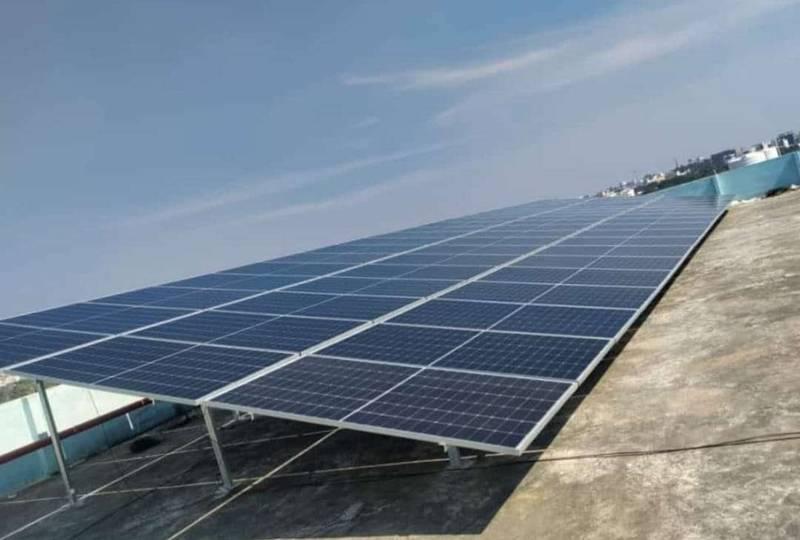
The world is experiencing a major shift in the way energy is produced and consumed. Growing populations, expanding industries, rising electricity demand, and increasing environmental concerns have made sustainable energy an important part of future development. Instead of depending heavily on limited fossil fuels, individuals, businesses, and communities are increasingly exploring renewable and energy-efficient alternatives.
Sustainable energy focuses on meeting present energy needs while protecting natural resources and reducing environmental impact for future generations. Solar power, wind energy, hydropower, battery storage, and energy-efficiency technologies are some of the key solutions supporting this transition.
What Is Sustainable Energy?
Sustainable energy refers to energy produced and used in ways that can continue over the long term without causing excessive damage to the environment or exhausting natural resources. Renewable sources are central to sustainable energy because resources such as sunlight and wind are naturally replenished.
Unlike conventional fossil fuels, renewable energy sources can provide electricity without continuously consuming finite resources. Sustainable energy also includes efficient energy consumption, smart technologies, storage systems, and responsible energy management.
The objective is to create an energy system that balances environmental responsibility, reliability, affordability, and long-term development.
Solar Energy: A Major Source of Sustainable Power
Solar energy has become one of the most widely adopted renewable energy technologies. Solar panels use photovoltaic technology to convert sunlight into electricity.
Solar systems can be installed on residential rooftops, commercial buildings, factories, educational institutions, and other suitable locations. This flexibility makes solar power useful for different types of energy requirements.
One major benefit of solar energy is that sunlight is naturally available and does not need to be extracted or transported like fossil fuels. With suitable installation and maintenance, solar panels can provide electricity for many years while helping users reduce their dependence on conventional power sources.
Wind Energy and Renewable Electricity
Wind energy is another important component of sustainable energy. Wind turbines convert the movement of air into electrical power.
Wind farms can generate significant amounts of renewable electricity in locations with suitable wind conditions. Modern turbine technology has improved efficiency, making wind power increasingly valuable as part of large-scale renewable energy systems.
Solar and wind energy can also complement each other. Since their generation patterns are different, combining multiple renewable sources can contribute to a more balanced energy system.
The Role of Energy Storage
One challenge associated with renewable energy is its variable nature. Solar power depends on sunlight, while wind power depends on weather conditions. Energy storage can help manage this variation.
Battery storage systems can store electricity generated during periods of high renewable production and provide it when energy demand increases. This allows households and businesses to make better use of renewable electricity.
Energy storage can also improve energy management and provide additional flexibility to modern electricity systems. As battery technology continues to develop, storage is becoming increasingly important for sustainable energy planning.
Energy Efficiency Is Essential
Sustainable energy is not only about producing renewable electricity. Reducing unnecessary energy consumption is equally important.
Energy-efficient appliances, LED lighting, modern cooling systems, efficient machinery, insulation, and smart controls can help reduce electricity waste. Businesses can also use energy-monitoring systems to understand consumption patterns and identify areas where improvements are possible.
For example, a commercial building can use smart sensors to automatically control lighting and cooling based on occupancy. Such measures can reduce unnecessary energy use while maintaining comfortable working conditions.
Sustainable Energy for Businesses
Businesses across various industries are adopting sustainable energy solutions to reduce operating Environmental Benefits of Sustainable Energy
The environmental advantages of sustainable energy are one of the primary reasons for its growing importance.
Renewable energy can reduce dependence on fossil fuels and help lower greenhouse-gas emissions associated with conventional electricity generation. Cleaner energy systems can also contribute to better air quality and more responsible resource management.
By increasing the use of renewable resources and reducing energy waste, communities can move toward a more environmentally responsible energy model.
Technology and the Future of Energy
Technology is playing a major role in improving sustainable energy systems. Smart meters, artificial intelligence, Internet of Things devices, energy-management software, and advanced batteries are changing how electricity is generated, stored, and consumed.
Digital platforms can monitor energy usage and provide useful information about consumption patterns. Businesses can use this data to identify peak-demand periods and improve energy planning.
Smart grids can also help connect different energy sources and manage electricity more efficiently. The combination of renewable energy and digital technology is creating a more flexible and intelligent energy ecosystem.
Benefits of Sustainable Energy
Adopting sustainable energy can provide several important benefits:
Reduced environmental impact through greater use of renewable resources.
Lower energy costs through renewable generation and improved
Building a Sustainable Energy Future
The transition toward sustainable energy requires participation from governments, businesses, technology developers, and consumers. Investment in renewable infrastructure, energy storage, efficient equipment, and modern electricity networks will be essential.
Individuals can contribute by reducing unnecessary electricity consumption, using energy-efficient appliances, and exploring renewable options where practical. Businesses can develop long-term energy strategies that combine renewable generation with efficiency and storage.
As technology continues to improve, sustainable energy is becoming more accessible and practical for different types of users.
Conclusion
Sustainable energy is an important part of building a cleaner and more resilient future. Renewable sources such as solar and wind, supported by battery storage, energy efficiency, and smart technology, can help meet growing energy requirements while reducing environmental impact.
The transition to sustainable energy is more than a technological change; it represents a shift toward responsible resource management and long-term planning. By adopting renewable energy and using electricity more efficiently, individuals, businesses, and communities can contribute to a cleaner environment and create a stronger energy future for generations to come.

 English
 Arabic
 French
 Spanish
 Portuguese
 Deutsch
 Turkish
 Dutch
Dutch
 Russian
 Romaian
 Portuguese (Brazil)
 Greek
Greek
