


Waterproof Primer: The Make-or-Break First Step Most Contractors Skip
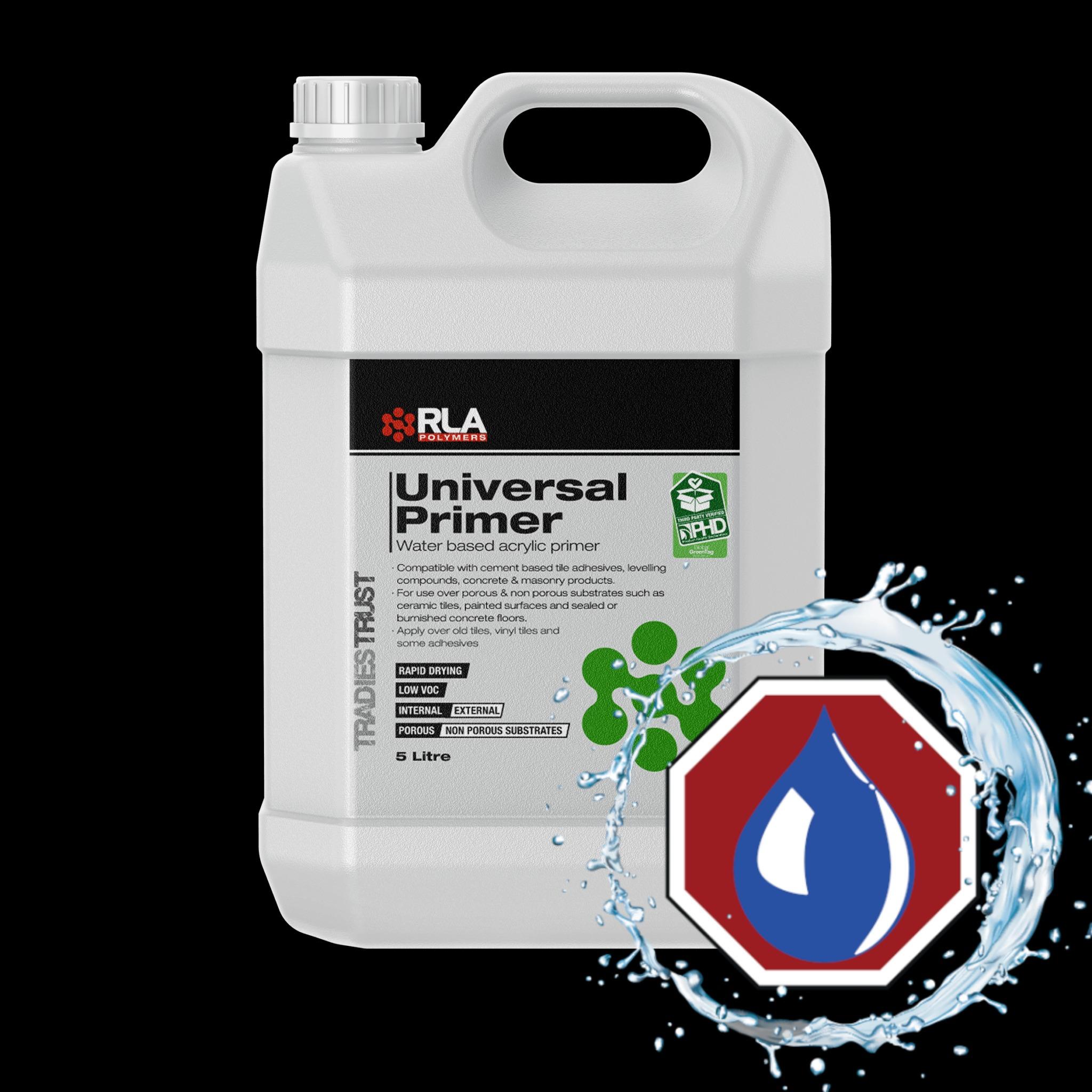
Here's an uncomfortable truth about waterproofing: the most expensive membrane, the most premium coating, the most advanced technology in the world will fail if it's applied to the wrong surface. That's not a scare tactic — it's basic chemistry. Without proper adhesion, even the best waterproofing product on the market is nothing more than an expensive layer waiting to peel, bubble, and fail. The fix is surprisingly simple, and it starts with a step too many contractors rush through: professional-grade Waterproof Primer.
At The WaterStop Shop, we don't skip steps. We know that the difference between a waterproofing job that lasts decades and one that fails within a year almost always comes down to what happens before the main product ever gets applied.
The Foundation Beneath the Foundation
Think of Waterproof Primer as the handshake between your surface and your waterproofing membrane. Concrete, masonry, and other porous surfaces are naturally uneven, dusty, and inconsistent in their absorption. Apply a waterproofing membrane directly onto an unprimed surface, and you're rolling the dice on adhesion, uniform coverage, and long-term performance.
Waterproof Primer changes everything. It penetrates the surface, seals dust and loose particles, and creates a consistent, receptive base that allows your waterproofing membrane to bond fully and evenly across every inch. The result is a system that performs as intended from day one and continues performing for years, rather than a coating that looks fine at installation but begins failing at the first sign of stress.
Here's the exciting part: this one preparatory step can be the single biggest factor in whether your entire waterproofing investment succeeds or fails. Skip it, and you're building your defense on a shaky foundation. Get it right with proper Waterproof Primer application, and everything that follows performs exactly as it should.
Reinforcing the Corners: The Role of a Water Stop Angle
Even with a perfectly primed surface, certain areas demand extra reinforcement — and nowhere is this more true than at internal corners and wall-to-floor junctions. These transition points experience constant movement, stress, and water exposure, making them some of the most failure-prone areas in any waterproofing system. That's exactly where a Water Stop Angle earns its place as an absolutely essential component.
A Water Stop Angle is a reinforcing strip installed at internal corners before the waterproofing membrane goes on, bridging the junction and preventing cracks or gaps from forming as the structure naturally shifts over time. Without it, these corners become the weak link that eventually undermines an otherwise flawless waterproofing job. With it, every vulnerable angle gets the reinforcement it needs to stay watertight for the long haul.
At The WaterStop Shop, we treat the combination of Waterproof Primer and Water Stop Angle as the non-negotiable backbone of every waterproofing project. The primer ensures adhesion across the entire surface. The Water Stop Angle reinforces the corners most likely to fail. Together, they form a system that's engineered to succeed, not just hoped to.
Why Cutting Corners on Prep Work Costs You Later
It's tempting to think of primer and reinforcing strips as minor details compared to the main waterproofing membrane, but that thinking is exactly how expensive failures happen. Here's why proper preparation deserves urgency:
Adhesion failures are catastrophic, not cosmetic. A waterproofing membrane that doesn't bond properly to an unprimed surface doesn't just look imperfect — it fails entirely, allowing water straight through to the structure beneath.
Corners are where failures begin. The vast majority of waterproofing failures start at internal corners and transition points. Skipping a Water Stop Angle at these junctions dramatically increases your risk of costly leaks down the road.
Rework is far more expensive than doing it right the first time. Removing a failed waterproofing system, addressing the water damage it allowed, and reapplying a proper system with correct prep work costs significantly more than investing in Waterproof Primer and reinforcement from the start.
Time and weather won't wait for you. The longer a structure goes without proper waterproofing preparation, the more opportunities water has to find its way in through unprimed surfaces and unreinforced corners.
The WaterStop Shop Commitment
We build every waterproofing project on a foundation of proper preparation. That means thorough surface cleaning, consistent Waterproof Primer application across every square inch, and precise Water Stop Angle installation at every internal corner and transition point before the main membrane ever goes down.
This methodical approach isn't the fastest way to finish a job, but it's the only way to guarantee the job actually lasts. That's the standard we hold ourselves to on every single project.
Read More:

 English
 Arabic
 French
 Spanish
 Portuguese
 Turkish
 Dutch
Dutch
 Italiano
 Russian
 Romaian
 Portuguese (Brazil)
 Greek
Greek
