


Porcelain vs. Composite Veneers: Which One Fits Your Smile?
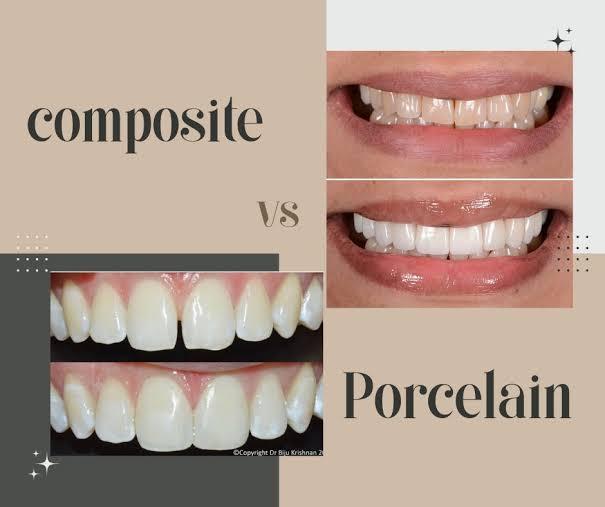
Choosing between porcelain and composite veneers is one of the most common dilemmas for anyone considering a smile makeover. Both options can transform chipped, stained, or unevenly shaped teeth into a bright, uniform smile — but they differ significantly in cost, durability, and overall look. If you're exploring dental veneers as a solution, understanding these differences will help you make an informed decision.
What Are Dental Veneers?
Veneers are thin shells custom-made to cover the front surface of your teeth, improving their color, shape, size, or length. They're a popular cosmetic dentistry option for people wanting a quick, dramatic improvement without full orthodontic treatment. The two most common types are porcelain veneers and composite resin veneers, each with its own set of advantages.
Porcelain Veneers: The Premium Choice
Porcelain veneers are crafted from high-quality ceramic material in a dental lab, based on impressions of your teeth. They're known for their natural, tooth-like translucency, which makes them nearly indistinguishable from real enamel under most lighting conditions.
Durability: Porcelain veneers are highly resistant to staining and can last anywhere from 10 to 15 years with proper care, sometimes longer.
Look: Because porcelain mimics the light-reflecting properties of natural teeth, it typically delivers a more realistic, polished appearance compared to composite.
Cost: Porcelain veneers are the more expensive option, largely due to the lab work and material quality involved. However, many patients find the long-term value worth the investment, since they require fewer replacements over time.
Process: Getting porcelain veneers usually takes two or more visits, since the shells are custom-fabricated and require a small amount of enamel removal beforehand.
Composite Veneers: The Budget-Friendly Option
Composite veneers are made from a tooth-colored resin material that's sculpted directly onto your teeth by your dentist, often completed in a single visit.
Durability: Composite veneers generally last 4 to 8 years, and while durable, they're more prone to staining and chipping compared to porcelain.
Look: Composite veneers offer a natural appearance too, though they may lack the same level of translucency and shine as porcelain over time.
Cost: Composite veneers are significantly more affordable, making them a great entry point for people wanting to improve their smile without a large upfront investment.
Process: Since composite veneers are applied and shaped chairside, they usually require just one appointment, with minimal to no enamel removal.
Which Veneer Is Right for You?
The right choice really depends on your budget, timeline, and long-term goals.
-
If you want a long-lasting, highly natural-looking result and don't mind a higher upfront cost, porcelain veneers are usually the better investment.
-
If you're looking for a quick, affordable fix with the flexibility to upgrade later, composite veneers are a smart starting point.
Many dentists also recommend a hybrid approach — using composite veneers for minor touch-ups and porcelain for teeth that need more comprehensive correction.
Conclusion
Both porcelain and composite veneers can give you the confident, radiant smile you're after — the key is choosing the option that aligns with your budget, durability expectations, and desired look. A consultation with an experienced cosmetic dentist can help determine which type of dental veneer suits your specific needs best.
If you're in Texas and considering dental veneers in Rockport, TX, the team at Allwyn Dental offers both porcelain and composite veneer options tailored to your smile goals. You can learn more about their full range of cosmetic and general dentistry services by visiting Allwyn Dental.

 English
 Arabic
 French
 Portuguese
 Deutsch
 Turkish
 Dutch
Dutch
 Italiano
 Russian
 Romaian
 Portuguese (Brazil)
 Greek
Greek
