


What Happens During a Deep Cleaning? A Step-by-Step Guide to Healthier Gums
Healthy gums are the foundation of a healthy smile, yet many people don't realize how much damage can happen below the gumline before any pain is felt. Gum disease often develops silently, and by the time symptoms like bleeding, swelling, or bad breath show up, the condition may have already progressed. This is where a deep cleaning becomes essential. If you've been told you need one, or you're simply searching for deep teeth cleaning in San Antonio TX, understanding exactly what the procedure involves can help ease your concerns and prepare you for healthier gums ahead.
What Is a Deep Cleaning, Exactly?
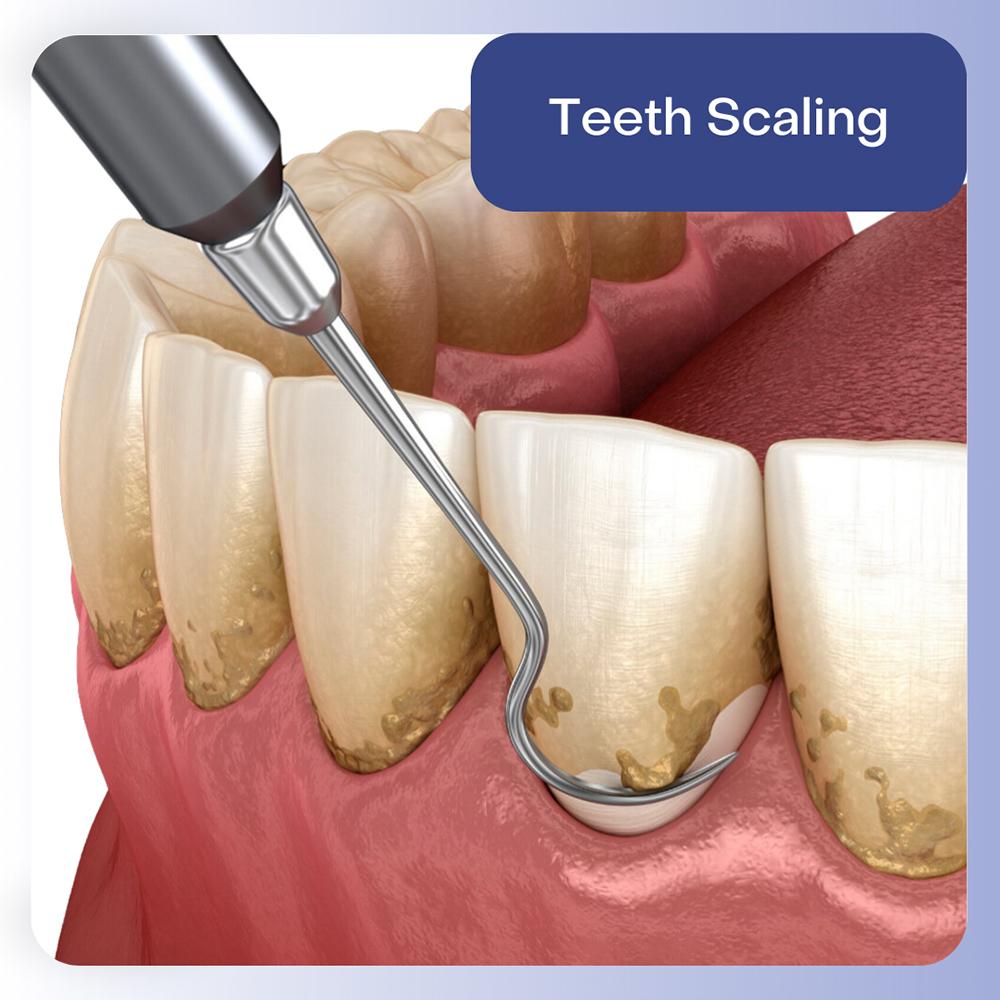
A deep cleaning, clinically known as scaling and root planing, is a non-surgical periodontal treatment designed to remove plaque and tartar buildup from below the gumline. Unlike a regular cleaning, which focuses on the visible surfaces of your teeth, a deep cleaning targets the root surfaces and the pockets that form between your teeth and gums when gum disease develops.
This treatment is typically recommended when a dentist or hygienist detects signs of gingivitis or early-to-moderate periodontitis, such as gum pockets deeper than 3mm, bleeding during brushing, or visible tartar buildup beneath the gum tissue. Left untreated, these issues can progress to more serious bone and tooth loss.
Step 1: A Thorough Oral Examination
Before any cleaning begins, your dentist will conduct a comprehensive evaluation of your gums and teeth. This usually includes measuring pocket depths around each tooth with a small periodontal probe, checking for gum recession, and reviewing dental X-rays to assess the bone level beneath the gums. This step is crucial because it helps determine the severity of gum disease and how many dental visits the deep cleaning process will require.
Step 2: Local Anesthesia for Comfort
Because deep cleanings involve working beneath the gumline, the area is often numbed with a local anesthetic. This ensures the process is comfortable, especially if pockets are deep or the gums are inflamed and sensitive. Patients who feel anxious about dental visits can also discuss sedation options with their provider beforehand.
Step 3: Scaling — Removing Plaque and Tartar
The first major phase of the treatment is scaling. Using specialized hand instruments or ultrasonic scalers, the dental team carefully removes plaque and hardened tartar from both the tooth surface and the root, all the way down to the base of each gum pocket. Ultrasonic tools use gentle vibrations combined with water to break up buildup, while hand scalers allow for more precise, targeted removal in stubborn areas.
This step is critical because tartar buildup beneath the gums harbors harmful bacteria that continue to irritate gum tissue and contribute to inflammation, even if you're brushing and flossing diligently at home.
Step 4: Root Planing — Smoothing the Roots
Once the visible buildup is removed, the next step is root planing. Here, the dentist smooths out the rough surfaces of the tooth roots. Rough root surfaces make it easier for bacteria to cling on and for plaque to reaccumulate quickly. By smoothing these areas, root planing helps gum tissue reattach more effectively to the tooth, reducing pocket depth over time and making future plaque buildup less likely.
Step 5: Irrigation and Antibacterial Treatment
After scaling and root planing, the gum pockets are often irrigated with an antimicrobial solution to flush out remaining bacteria and reduce inflammation. In some cases, your dentist may also place a localized antibiotic directly into deeper pockets to further control infection and support faster healing.
Step 6: Post-Treatment Care Instructions
Once the procedure is complete, you'll receive guidance on caring for your gums during recovery. Mild soreness, sensitivity, or slight bleeding is normal for a few days afterward. Your dentist may recommend a soft-food diet temporarily, a prescribed or over-the-counter mouth rinse, and a modified brushing routine to avoid irritating healing tissue. Most patients can resume normal activities immediately, though strenuous exercise is sometimes discouraged for the first 24 hours.
Step 7: Follow-Up Evaluation
A follow-up visit, usually scheduled four to six weeks later, allows your dentist to measure pocket depths again and assess how well your gums have healed. In many cases, healthy gum tissue reattaches to the tooth, pocket depths decrease, and inflammation subsides significantly. If certain areas haven't responded as expected, additional treatment or more frequent periodontal maintenance visits may be recommended.
Why Deep Cleaning Matters for Long-Term Oral Health
Skipping treatment for gum disease doesn't make it go away — it typically gets worse. Untreated periodontal disease has been linked not only to tooth and bone loss but also to broader health concerns, including cardiovascular issues and complications with diabetes management. A deep cleaning addresses the problem at its source, removing the bacteria and buildup that cause ongoing inflammation, rather than just managing symptoms.
Many patients also notice cosmetic improvements after a deep cleaning, since removing stubborn tartar and surface stains often leaves teeth looking noticeably cleaner and brighter. For those interested in further enhancing their smile afterward, professional teeth whitening can be a great complementary next step once gum health has stabilized.
How to Know If You Need One
Common signs that you might benefit from a deep cleaning include:
-
Gums that bleed when brushing or flossing
-
Persistent bad breath despite good oral hygiene
-
Gum recession or teeth that appear longer than before
-
Loose or shifting teeth
-
Visible tartar buildup at the gumline
-
Gum pockets measuring deeper than 3mm during a dental exam
If you're experiencing any of these symptoms, it's worth scheduling an evaluation rather than waiting for the problem to worsen.
Conclusion
A deep cleaning is one of the most effective ways to reverse early gum disease and protect your smile for the long term. While the process may sound intensive, most patients find it far more comfortable than expected, especially with modern tools and numbing techniques. Regular dental checkups combined with good home care can help you avoid the need for repeated deep cleanings down the line.
If you're looking for reliable, patient-focused deep teeth cleaning in San Antonio TX, the team at Primo Dental offers thorough periodontal care designed to restore gum health and keep your smile in top condition for years to come.

 English
 Arabic
 French
 Spanish
 Portuguese
 Deutsch
 Dutch
Dutch
 Italiano
 Russian
 Romaian
 Portuguese (Brazil)
 Greek
Greek
