


Cutting-Edge Treatments: The Latest in Advanced Wound Care Available in Genesee County
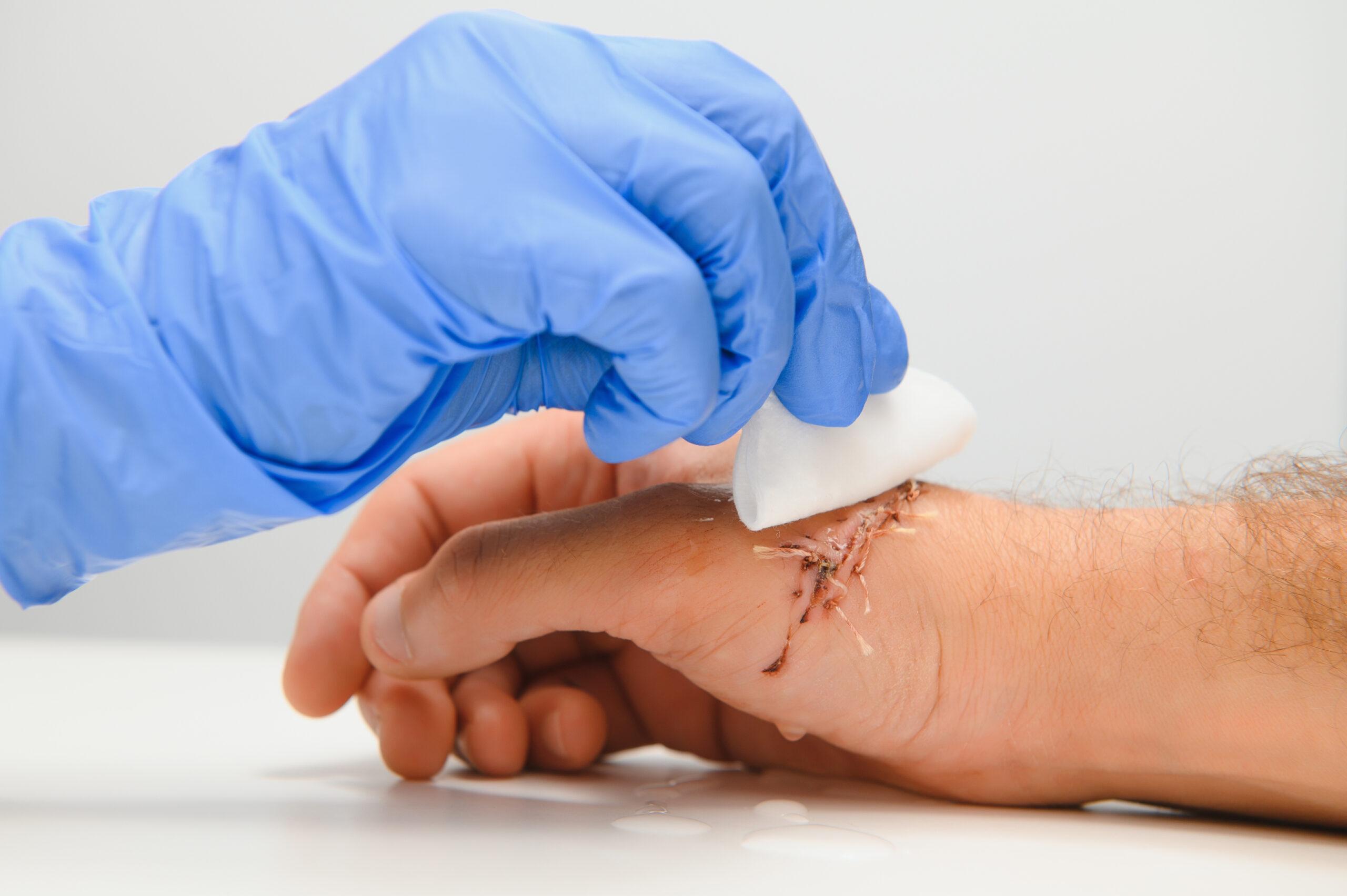
Chronic and complicated wounds often need more than routine cleaning and dressing changes to support healing. These wounds may result from diabetes, pressure injuries, surgery, circulation problems, trauma, or other medical conditions. Advanced wound care in Genesee County can provide patients with specialized assessment and treatment when a wound is slow to heal, repeatedly reopens, or involves underlying health concerns. A qualified healthcare professional can determine why healing is delayed and develop a treatment approach suited to the patient's condition. Because every wound is different, advanced treatment should always begin with a thorough clinical evaluation.
Modern wound care increasingly focuses on treating the underlying causes of delayed healing instead of addressing only the visible wound. Healthcare professionals may evaluate blood flow, infection risk, pressure, nutrition, blood glucose control, mobility, and the condition of surrounding tissue. Depending on the findings, patients may benefit from specialized dressings, debridement, negative pressure therapy, cellular or tissue-based products, or other interventions. Some treatments are appropriate only for specific wounds and patients. The safest approach is to use evidence-based therapies under the supervision of qualified medical professionals.
What Makes a Wound “Advanced”?
A wound may be considered complex when it does not heal within an expected period or when factors such as diabetes, poor circulation, infection, or pressure interfere with recovery. Examples include diabetic foot ulcers, pressure injuries, venous ulcers, arterial wounds, surgical wounds, and wounds involving significant tissue damage. These conditions may require repeated assessment and coordination between several healthcare professionals. A wound that appears small on the surface can sometimes involve deeper tissue or an underlying problem. Professional evaluation is therefore important when healing does not progress normally.
Advanced wound care is not necessarily defined by using the newest or most expensive technology. Instead, it involves selecting appropriate treatment based on the patient's diagnosis, wound characteristics, medical history, and healing goals. A clinician may recommend a relatively simple treatment when that is the most appropriate option. More specialized therapies may be considered when conventional care has not produced adequate progress. Patients should be wary of claims that one advanced treatment can guarantee rapid healing for every wound.
Comprehensive Wound Assessment Comes First
Before an advanced therapy is selected, a healthcare professional generally needs to understand the wound and the patient as a whole. Assessment may include the wound's size, depth, tissue type, drainage, odor, surrounding skin, and changes over time. The clinician may also review medical conditions, medications, nutritional status, circulation, mobility, and previous treatments. This information helps determine which factors may be preventing healing. A detailed assessment can also reveal whether the patient needs referral to another specialist.
Documentation is an important part of long-term wound management because it allows the healthcare team to compare the wound during follow-up visits. Measurements and other clinical observations can help demonstrate whether the treatment is producing progress. If the wound fails to improve, the care team may reconsider the diagnosis or treatment strategy. Patients should provide accurate information about previous wound treatments and relevant medical conditions. Good documentation and communication can make complex wound management more organized and consistent.
Advanced Debridement Techniques
Debridement involves removing dead, damaged, or unhealthy tissue when clinically appropriate so that the wound can be properly assessed and managed. The technique used depends on the wound, the amount and type of tissue involved, the patient's health, and other clinical considerations. Healthcare professionals may use different approaches, including methods performed with instruments, specialized products, or other appropriate techniques. Debridement should only be performed by appropriately trained professionals. The purpose is to support wound management, not simply to make the wound look cleaner.
Not every wound requires the same form or frequency of debridement. A clinician may determine that a particular wound needs conservative management or another treatment approach instead. Patients should never attempt to remove wound tissue themselves using household tools or unapproved methods. Improper treatment can damage healthy tissue and increase the risk of bleeding or infection. Professional assessment is especially important for patients with diabetes, circulation problems, reduced sensation, or other conditions that can complicate wound healing.
Specialized Wound Dressings
Modern wound care includes a wide range of dressings designed for different clinical purposes. Depending on the wound, a provider may recommend products intended to manage drainage, protect fragile tissue, maintain an appropriate moisture environment, or reduce contamination. The correct choice depends on factors such as wound depth, drainage level, location, surrounding skin, and the overall treatment plan. More expensive or technologically advanced dressings are not automatically better for every patient. A qualified clinician should determine which product is appropriate for the specific wound.
Dressing selection may also change as the wound progresses through different stages of healing. A product that is suitable during one phase may not be necessary later. Regular assessment allows the healthcare team to determine whether the current dressing continues to meet the wound's needs. Patients and caregivers should follow instructions about changing, storing, and handling dressings. If a dressing becomes wet, contaminated, loose, or difficult to use, the healthcare provider should be contacted for guidance.
Negative Pressure Wound Therapy
Negative pressure wound therapy is one advanced technique used for selected wounds. It uses controlled suction through a specialized dressing system to help manage wound drainage and create conditions that may support tissue repair. It may be considered for certain surgical wounds, traumatic wounds, and other complex wounds when clinically appropriate. The decision to use this therapy depends on the wound's characteristics and the patient's overall health. It should be prescribed and managed by qualified professionals who understand the treatment's indications and limitations.
Patients using negative pressure therapy usually need clear instructions about equipment operation, dressing changes, and what to do if the system stops functioning properly. Problems such as a loss of suction, unexpected bleeding, or other significant changes should be reported according to the provider's instructions. The therapy is not suitable for every wound, and contraindications or special considerations must be evaluated before treatment. Regular follow-up remains important even when the system is working normally. Advanced equipment does not eliminate the need for professional wound assessment.
Cellular and Tissue-Based Products
Some complex wounds may be considered for cellular or tissue-based products when standard approaches have not achieved sufficient healing and the patient meets appropriate clinical criteria. These products can be used as part of carefully selected treatment plans for certain chronic wounds. Their use depends on factors such as wound type, patient health, previous treatment, and applicable clinical guidelines. A healthcare professional should explain why a particular product is being considered and what evidence supports its use. Patients should also understand that outcomes can vary and that no advanced product guarantees healing.
These therapies are generally most effective when integrated into comprehensive wound management rather than used as a standalone solution. The healthcare team may still need to address infection, pressure, circulation, blood glucose levels, nutrition, and other contributing factors. Appropriate wound preparation and follow-up can also influence treatment outcomes. Patients should ask about the purpose of the therapy, expected monitoring, potential risks, and alternative options. An informed discussion helps patients understand whether an advanced treatment fits their individual situation.
Hyperbaric Oxygen Therapy for Selected Wounds
Hyperbaric oxygen therapy is another specialized treatment that may be considered for certain wound-related conditions. During treatment, the patient breathes oxygen in a pressurized environment, increasing the amount of oxygen available to tissues. It is not appropriate for every chronic wound, and its use depends on established medical indications and an individual clinical assessment. Patients should ask their healthcare team whether this therapy is medically appropriate for their diagnosis. It should be considered as part of a broader treatment strategy rather than as a universal wound-healing solution.
When hyperbaric therapy is recommended, patients may need multiple treatment sessions depending on the condition and treatment plan. The healthcare team will determine the appropriate schedule and monitor the patient during treatment. Other wound-care measures usually continue alongside the therapy when appropriate. Addressing circulation, infection, pressure, blood glucose, and other factors remains important. Patients should discuss potential benefits, risks, alternatives, and expected follow-up with a qualified healthcare professional before starting treatment.
Treating Infection as Part of Advanced Wound Care
Infection can significantly complicate wound healing and may require prompt medical evaluation. Signs that may raise concern include increasing redness, warmth, swelling, worsening pain, drainage, unpleasant odor, or changes in surrounding tissue. Fever, chills, confusion, or significant weakness can indicate a more serious problem, particularly when occurring alongside wound changes. Patients should follow the instructions provided by their healthcare team regarding when to report these symptoms. A wound should not be assumed to be infected solely because it looks unusual, since professional assessment is needed to determine the cause.
When infection is suspected or confirmed, treatment depends on the clinical findings. A healthcare professional may recommend wound management, testing, medications, drainage, or specialist evaluation when appropriate. Patients should not use leftover antibiotics or prescription medication without medical guidance. Inadequately treated infection can potentially spread into deeper tissues or the bloodstream. Timely professional attention is especially important for people with diabetes, reduced circulation, immune problems, or other conditions that increase the risk of complications.
Managing Pressure Injuries With Advanced Approaches
Pressure injuries can occur when prolonged pressure damages skin and underlying tissue, particularly in people with limited mobility. Advanced wound care may involve treating the existing injury while addressing the pressure and other factors that contributed to its development. Depending on the patient's needs, management may include repositioning, support surfaces, moisture control, nutritional assessment, wound dressings, and other interventions. The appropriate plan should be individualized because pressure injuries can range from superficial skin damage to deeper tissue involvement. Caregivers should receive clear instructions when they are responsible for supporting daily prevention measures.
Prevention remains an important part of managing pressure-related wounds. Patients who spend extended periods in bed or in a chair may need a structured plan for repositioning and skin inspection. Mobility assistance and appropriate equipment can also be considered when clinically suitable. A wound-care professional can help caregivers understand which measures are appropriate for the patient. Persistent redness, skin breakdown, drainage, or increasing discomfort should be reported promptly rather than monitored indefinitely without professional guidance.
Advanced Care for Diabetic Wounds
Diabetic wounds can be particularly challenging because diabetes may affect sensation, circulation, immune response, and tissue repair. A patient may not notice a small injury until it has become more serious, especially when neuropathy reduces sensation in the feet. Advanced wound care in Genesee County may help eligible patients receive professional assessment and treatment while also addressing factors that contribute to delayed healing. Foot protection, pressure reduction, blood glucose management, and circulation assessment may all be relevant. The exact approach depends on the individual wound and medical history.
A comprehensive diabetic wound plan may involve several healthcare professionals. Primary care providers, wound specialists, podiatrists, vascular specialists, surgeons, nurses, and diabetes-care professionals may each contribute when appropriate. Coordination is important because a dressing alone cannot resolve problems such as severe circulation impairment or uncontrolled blood glucose. Patients should follow their diabetes management plan and report new wounds promptly. Early assessment can help the healthcare team determine whether additional testing or specialized treatment is necessary.
Advanced Wound Care Near Oakland County
Patients researching Advanced wound care in near Oakland may be comparing providers across neighboring communities and healthcare regions. Location can be an important consideration when a wound requires frequent visits, but proximity should not be the only factor. Patients should also consider professional qualifications, wound-care experience, available treatments, communication practices, and follow-up procedures. A convenient provider may not be appropriate if it does not offer the treatment the patient's condition requires. Families should ask questions before beginning care so they understand what services are available.
Patients may also want to determine whether home-based services are offered when travel is difficult. Appropriate in-home care can be helpful for patients with mobility limitations or those recovering from surgery, provided the wound can safely be managed outside a clinic. Some advanced treatments require specialized facilities, equipment, or diagnostic services and therefore cannot be performed in the home. A reputable provider should explain these limitations clearly. The best care plan balances medical necessity, patient safety, accessibility, and continuity.
The Importance of Nutrition and Overall Health
Advanced wound treatments work best when the patient's broader health is also addressed. Adequate nutrition, hydration, blood glucose control, circulation, mobility, and management of chronic conditions can all influence the body's ability to repair tissue. Patients with poor appetite, unintended weight loss, or nutritional concerns may benefit from discussing these issues with their healthcare team. Depending on the circumstances, nutritional assessment may become part of the overall wound-management plan. Patients should follow individualized medical advice rather than starting supplements or restrictive diets without professional guidance.
Lifestyle factors can also affect healing. Smoking, inactivity when mobility is medically appropriate, poorly controlled chronic conditions, and difficulties following treatment instructions may interfere with recovery. Healthcare professionals can help patients identify realistic changes that support the treatment plan. The goal is not to place blame on the patient but to identify practical barriers to healing. Addressing these factors alongside advanced wound treatment can provide a more complete approach to recovery.
How Patients Can Choose an Advanced Wound Care Provider
Patients comparing advanced wound care in Genesee County should look beyond general claims about being “advanced” or “specialized.” Ask about the provider's qualifications, experience with the specific wound type, available treatment options, physician coordination, follow-up procedures, and emergency escalation process. Patients should also ask whether the recommended therapy is appropriate for their particular diagnosis and why it is being considered. Insurance coverage and expected out-of-pocket costs should be discussed before treatment whenever possible. Transparent communication can help patients make decisions based on clinical suitability rather than marketing language.
A trustworthy provider should explain the potential benefits and limitations of treatment without promising guaranteed results. Wound healing can be influenced by many factors, including the patient's medical conditions, circulation, nutrition, infection status, treatment adherence, and wound severity. Patients should have an opportunity to ask about alternatives and what happens if the wound does not improve. They should also know which symptoms require prompt contact with the provider. Clear expectations are an important part of patient-centered care.
When Advanced Treatment Is Not Enough
Even advanced wound therapies cannot replace emergency or surgical treatment when a patient's condition requires a higher level of care. Severe infection, significant tissue damage, uncontrolled bleeding, rapidly worsening symptoms, or serious systemic illness may require hospital evaluation. Patients should not delay urgent treatment because they have an upcoming wound-care appointment. Healthcare professionals can determine whether the patient needs emergency services, surgery, specialist assessment, or continued outpatient care. Recognizing the limits of outpatient and home-based wound care is essential for patient safety.
Similarly, an advanced treatment should not be selected simply because it sounds more sophisticated. The appropriate therapy is the one supported by the patient's clinical assessment and treatment needs. In some cases, careful basic wound management may be more suitable than an advanced procedure. In other situations, specialized treatment may be necessary because conventional care has not produced adequate progress. Evidence, clinical judgment, patient factors, and ongoing reassessment should guide these decisions.
The Future of Wound Management in Genesee County
Wound care continues to develop as healthcare professionals gain a better understanding of tissue repair, infection management, pressure reduction, and chronic disease interactions. Advances in dressings, tissue-based products, negative pressure systems, diagnostics, and other technologies may provide additional options for appropriately selected patients. However, technological progress does not eliminate the importance of careful assessment and fundamental wound-care principles. Patients still need individualized treatment, monitoring, and coordination with their healthcare team. New therapies should be evaluated based on appropriate evidence and clinical indications.
For residents seeking advanced wound care in Genesee County, access to qualified professionals can make it easier to understand which treatments may be appropriate for a complex wound. Patients researching Advanced wound care in near Oakland should similarly compare providers based on qualifications, services, accessibility, and continuity of care. The most effective approach is rarely a single treatment performed in isolation. Instead, successful wound management often combines appropriate local care with attention to infection, pressure, circulation, nutrition, underlying diseases, and patient education. With informed decision-making and consistent professional oversight, patients can approach complex wound recovery with greater confidence and a clearer understanding of their options.

 English
 French
 Spanish
 Portuguese
 Deutsch
 Turkish
 Dutch
Dutch
 Italiano
 Russian
 Romaian
 Portuguese (Brazil)
 Greek
Greek
