


Can a Roof Gutter Service Save Your Wooden Roof From Rot?
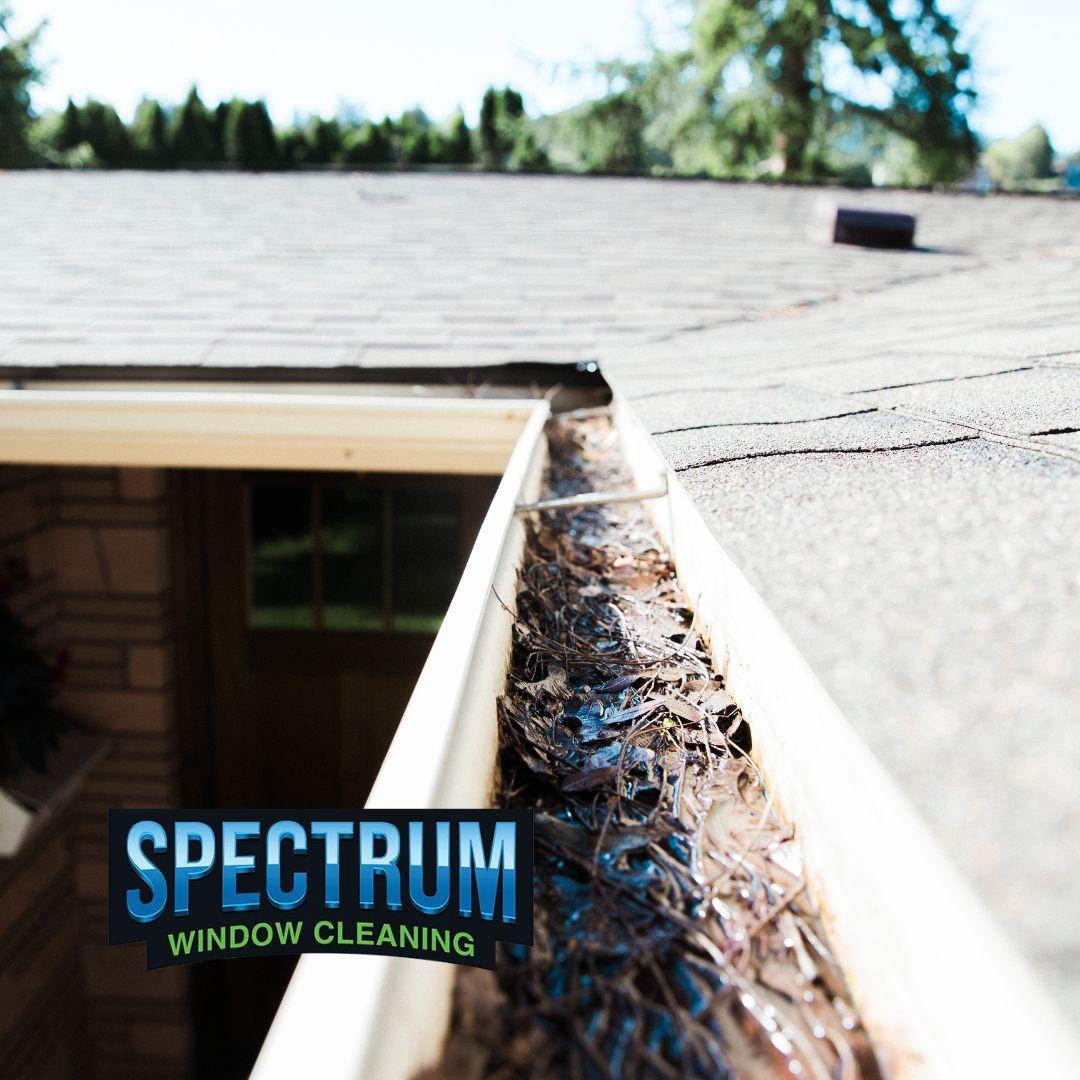
Discover how a roof gutter service and gutter maintenance protect wooden roof edges from rot by preventing overflow, leaks, standing water, and moisture damage.
How Can a Roof Gutter Service Help Protect Wooden Roof Edges From Rot?
A roof gutter service helps protect wooden roof edges by keeping rainwater and snowmelt moving through the gutter system instead of spilling back against fascia boards, soffits, and roof-edge trim. Since wood rot is closely linked to repeated moisture exposure, regular gutter maintenance can reduce the conditions that allow wooden areas to soften, swell, stain, or decay over time.
Wooden roof edges are vulnerable because they sit close to the gutter line. When gutters are clogged, leaking, sagging, or draining poorly, water may sit against the wood or run behind the gutter.
A professional roof gutter service helps by removing debris, checking downspouts, identifying visible leaks, and making sure water has a clear path away from the roof edge.
Why Wooden Roof Edges Need Protection
The wooden boards near the roofline, often called fascia and trim, help finish and support the edge of the roof. They are exposed to weather, temperature changes, roof runoff, and moisture around the gutter system.
Wood can handle some exposure when it dries properly. The problem starts when it stays damp again and again. Repeated moisture can weaken paint, open small gaps, and create conditions where rot becomes more likely.
That is why gutter maintenance is more than a cleanup task. It is part of protecting the roof edge from unnecessary water contact.
How Poor Gutters Can Lead to Rot
1. Clogged Gutters Cause Overflow
Leaves, pine needles, roof grit, mud, and small debris can block the gutter channel. When rainwater cannot move toward the downspout, it may spill over the front or back edge.
If water spills toward the house, wooden fascia boards can become repeatedly wet. Over time, that moisture may cause peeling paint, dark staining, soft areas, or visible deterioration.
2. Blocked Downspouts Make Water Back Up
Sometimes the gutter looks clean from above, but the downspout is blocked inside. When that happens, water has nowhere to go and backs up through the system.
A proper roof gutter service should check both the gutter channel and the downspout path. Clearing only the top section may not solve the real drainage issue.
3. Sagging Gutters Hold Standing Water
Gutters need a slight slope so water can flow toward the outlet. If brackets loosen or a section sags, water can sit in one spot.
Standing water adds weight, stresses the fasteners, and keeps moisture close to wooden roof edges for longer than it should. This can increase the chance of leaks behind the gutter line.
What a Roof Gutter Service Should Check
A good service should focus on water movement, not only visible debris.
|
Service Check |
Why It Protects Wooden Roof Edges |
|
Clear leaves and debris |
Reduces overflow near fascia boards |
|
Flush downspouts |
Confirms water can leave the system |
|
Check gutter slope |
Helps prevent standing water |
|
Inspect seams and corners |
Finds leaks that may wet nearby wood |
|
Review brackets and hangers |
Helps prevent sagging or pulling |
|
Check discharge points |
Moves runoff away from the structure |
These checks help homeowners understand whether the gutter system is simply dirty or whether it needs repair attention.
Warning Signs Around Wooden Roof Edges
You do not need to diagnose wood rot yourself, but you can watch for early clues.
Look for These Signs
-
Peeling paint near the gutter line
-
Dark stains on fascia or trim
-
Water dripping behind the gutter
-
Gutters pulling away from the roof edge
-
Soft-looking or swollen wood
-
Repeated overflow from the same area
-
Damp marks after the rain has stopped
These signs do not always mean serious damage is already present. They do mean the gutter and wood edge should be inspected before the moisture pattern continues.
Why Regular Gutter Maintenance Matters
One cleanout can help, but consistent gutter maintenance is what protects the roof edge long term.
Homes with nearby trees, roof valleys, long gutter runs, or heavy seasonal debris may need more frequent attention. If gutters fill quickly after cleaning, the schedule should match the home’s real conditions.
A simple routine can make a big difference:
-
Check gutters after major leaf fall
-
Inspect downspouts before heavy rain
-
Watch for overflow during storms
-
Clear visible roof-valley debris
-
Repair loose or sagging sections early
-
Use professional help when access is unsafe
The goal is to stop repeated water contact before it becomes a larger issue.
When Professional Help Makes Sense
Some gutter work is not safe or practical as a DIY task. Second-story gutters, wet surfaces, uneven ground, steep rooflines, and blocked downspouts can make the job risky.
A professional roof gutter service is worth considering when gutters are high, clogged, pulling away, leaking, or overflowing after recent cleaning.
Professional gutter service does not replace carpentry or roof repair if the wood is already damaged. However, it can help correct the drainage problem that may be contributing to moisture exposure.
Final Thoughts
A roof gutter service helps protect wooden roof edges by keeping water moving where it should. Clear gutters, open downspouts, proper slope, and secure brackets all reduce the chance of rainwater sitting against fascia boards and roof-edge trim.
Good gutter maintenance is preventive care. It helps homeowners catch clogged gutters, leaks, sagging sections, and poor drainage before repeated moisture creates a bigger repair concern. When the gutter system works properly, the wood around the roofline has a better chance to stay dry, strong, and protected.
About the Author
The author is a professional gutter maintenance service provider with practical experience in roofline drainage, gutter cleaning, downspout care, and seasonal property protection. Their guidance focuses on helping homeowners understand how clear gutters, proper water flow, and early maintenance can reduce moisture-related issues around wooden roof edges, fascia boards, and exterior trim.
Frequently Asked Questions
Can clogged gutters cause fascia boards to rot?
Yes. Clogged gutters can overflow or leak behind the gutter line, keeping wooden fascia boards damp. Repeated moisture exposure can increase the risk of wood deterioration over time.
How does gutter maintenance protect wooden roof edges?
Gutter maintenance keeps water moving through gutters and downspouts instead of spilling back against the roof-edge wood. Clear drainage helps reduce repeated moisture around fascia, soffits, and trim.
What are the signs of water damage near the roof gutters?
Common signs include peeling paint, dark stains, soft wood, sagging gutters, dripping behind the gutter, and repeated overflow in the same area. These warning signs should be checked early.
How often should gutters be cleaned to help prevent wood rot?
Many homes need gutter cleaning at least twice a year, especially after leaf fall and before heavy rain or snowmelt. Homes near trees or with frequent debris may need more regular service.
Can a roof gutter service fix rotted fascia?
A roof gutter service can help correct drainage issues, but rotted fascia usually needs carpentry or repair work. The gutter problem should be addressed first, so new or repaired wood does not keep getting wet.
Why does water drip behind my gutters?
Water may drip behind gutters because of clogs, loose brackets, poor slope, damaged seams, or gutters pulling away from the fascia. A professional inspection can identify whether cleaning or repair is needed.
Are downspouts important for protecting wooden roof edges?
Yes. Gutters only work properly when downspouts carry water away from the roofline and structure. Building guidance recommends using gutters and downspouts to direct runoff away from the house.
Should I clean gutters myself or hire a professional?
DIY may be fine for low, safe, easy-access gutters. Hire a professional when gutters are high, difficult to reach, heavily clogged, leaking, or showing signs of repeated overflow.

 English
 Arabic
 French
 Spanish
 Portuguese
 Deutsch
 Turkish
 Dutch
Dutch
 Russian
 Romaian
 Portuguese (Brazil)
 Greek
Greek
