


HIV Blood Test vs HIV Antibody Test: How Do They Compare?
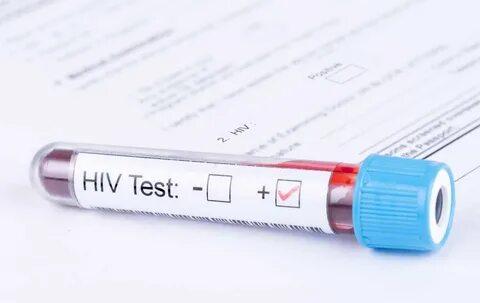
When people hear the terms HIV blood test and HIV antibody test, it can sound as though they are two completely different ways of checking for HIV. In reality, the terms describe different aspects of HIV testing.
An HIV Blood Test in Dubai describes the sample being tested, while an HIV antibody test describes what the test is looking for. A blood sample can be used for several types of HIV tests, including antibody tests, antigen and antibody tests, and nucleic acid tests.
This distinction matters because different HIV tests have different window periods, detection capabilities, and testing timelines. Choosing or interpreting a test based only on its name can therefore be misleading.
Here is how the two compare and what you should know before getting tested.
The Short Answer: Are They Actually Different?
Not always.
An HIV antibody test can be performed using blood or oral fluid, so an antibody test may also be an HIV blood test if the sample comes from blood.
At the same time, a laboratory blood test does not necessarily look only for antibodies. Many laboratory HIV screening tests detect both HIV antigen and antibodies, while nucleic acid tests detect HIV genetic material.
The most important distinction is therefore not simply "blood test versus antibody test." It is:
What sample is being tested, what HIV marker does the test detect, and how long after exposure is the test being performed?
HIV.gov identifies three main types of HIV tests: nucleic acid tests, antigen and antibody tests, and antibody tests.
What Does an HIV Blood Test Mean?
The phrase "HIV blood test" generally means that a blood sample is collected and analyzed for evidence of HIV infection.
The blood may be collected from a vein or, for some tests, from a finger prick.
A laboratory test using blood drawn from a vein may be an antigen and antibody combination test, which detects both HIV antibodies and the p24 antigen. Some blood tests may instead be nucleic acid tests that detect HIV RNA.
This is why asking, "Was it a blood test?" is not enough to determine how early HIV could be detected.
You also need to know which type of blood test was performed.
What Is an HIV Antibody Test?
An HIV antibody test looks for antibodies produced by the immune system in response to HIV.
When HIV enters the body, the immune system begins producing antibodies. However, this process takes time.
Because antibody tests depend on the immune response, they generally have a longer window period than tests that detect HIV antigen or viral genetic material.
According to HIV.gov, antibody tests can usually detect HIV approximately 23 to 90 days after exposure.
Antibody tests can use blood or oral fluid, and many rapid HIV tests and self-tests are antibody tests.
Why the Type of HIV Blood Test Matters?
Imagine two people both say they had an "HIV blood test."
One person may have had a laboratory antigen and antibody test using blood from a vein. The other may have had a finger-prick antibody test.
Both involved blood, but they do not have identical detection windows.
A laboratory antigen and antibody test using blood from a vein can usually detect HIV 18 to 45 days after exposure. An antigen and antibody test using finger-prick blood may take 18 to 90 days, while an antibody test generally has a window of 23 to 90 days.
Therefore, the test name and method matter when deciding whether a negative result is conclusive.
How Does an Antigen and Antibody Test Work?
An antigen and antibody test, often called a fourth-generation HIV test, searches for two types of evidence.
The first is HIV antibodies, which are produced by the immune system.
The second is the p24 antigen, a protein associated with HIV that can appear earlier in infection than antibodies.
Looking for both markers can allow the test to detect HIV earlier than an antibody-only test.
For a laboratory antigen and antibody test using blood from a vein, the usual detection range is approximately 18 to 45 days after exposure.
This makes laboratory antigen and antibody testing an important option for routine HIV screening and evaluation after possible exposure.
How Does an Antibody-Only Test Work?
An antibody-only test does not look directly for HIV or the p24 antigen. Instead, it looks for the body's immune response.
The advantage is that antibody testing is widely available and can be performed using different sample types.
The limitation is timing.
If the test is taken too soon after exposure, the immune system may not yet have produced enough antibodies for the test to detect.
This creates the HIV window period, during which someone can have HIV but still receive a negative result.
HIV Blood Test vs HIV Antibody Test: Side-by-Side Comparison
| Feature | HIV Blood Test | HIV Antibody Test |
|---|---|---|
| What the term describes | The type of sample used | What the test detects |
| Sample | Usually blood from a vein or finger prick | Blood or oral fluid |
| What it may detect | Antigen, antibodies, or viral genetic material | HIV antibodies |
| Early detection | Depends on the specific blood test | Generally later than antigen and antibody or NAT testing |
| Typical laboratory window | Depends on test type | About 23 to 90 days |
| Rapid versions available | Yes, depending on the test | Yes |
| Follow-up after reactive result | Required when used for screening | Required |
The key point is that blood test and antibody test are not mutually exclusive categories.
An HIV antibody test can be a blood test.
Which Test Detects HIV Earlier?
When it comes to early HIV detection, the general order is:
Nucleic acid test → antigen and antibody test → antibody test
A NAT detects HIV genetic material and can usually detect infection approximately 10 to 33 days after exposure.
A laboratory antigen and antibody test using blood from a vein can usually detect HIV around 18 to 45 days after exposure.
An antibody test can usually detect HIV around 23 to 90 days after exposure.
These are general detection ranges rather than exact guarantees.
What Is the HIV Window Period?
The HIV window period is the time between infection and the point when a particular test can accurately detect HIV.
The window period varies according to the test.
During this period, a negative result does not necessarily mean that HIV is absent. It may simply be too early for the particular test to detect the infection.
HIV.gov explains that HIV tests cannot detect infection immediately after exposure and that window periods can range from approximately 10 to 90 days, depending on the testing method.
This is one of the most important concepts to understand when interpreting an HIV test result.
Is a Blood Test Better Than an Antibody Test?
This question has a built-in misunderstanding.
A blood test and antibody test cannot always be directly ranked because they describe different things.
For example, a laboratory blood test may detect both antigen and antibodies, while another blood test may detect antibodies only.
If the goal is earlier detection after a possible exposure, a laboratory antigen and antibody test using blood from a vein generally has an earlier detection window than an antibody-only test.
However, the appropriate test depends on the circumstances, availability, and professional medical advice.
Is an HIV Antibody Test Accurate?
Yes. HIV antibody tests can be highly reliable when used correctly and after the appropriate window period.
The main limitation is not that antibody tests are inherently unreliable. Rather, antibodies take time to develop.
An antibody test performed too soon after exposure can therefore be negative even if HIV infection has occurred.
If you receive a negative antibody test during the window period, HIV.gov recommends testing again after the relevant window period.
Can a Blood HIV Test Be Negative During Early Infection?
Yes.
Even a laboratory blood test cannot detect every HIV infection immediately after exposure.
The reason depends on what the test detects.
A NAT can identify HIV earlier than other major testing methods, but it still has a window period. A laboratory antigen and antibody test also needs time for detectable markers to appear.
Therefore, a negative HIV blood test shortly after exposure may not rule out a new infection.
The exact meaning depends on the test type and the number of days since exposure.
What If Your HIV Antibody Test Is Negative?
A negative antibody test can be reassuring when performed after the full window period and when there has been no additional exposure.
However, if the test was taken shortly after a possible exposure, follow-up testing may be necessary.
For example, a negative antibody test a few days or weeks after exposure may be too early to provide a definitive answer.
Ask the testing provider which window period applies to the exact test you received.
What If an HIV Test Is Positive?
A reactive HIV screening test does not automatically mean that HIV infection has been confirmed.
Additional testing is performed to confirm the result.
For laboratory testing, modern HIV diagnostic algorithms use follow-up tests to distinguish confirmed HIV infection from a reactive screening result.
If HIV is confirmed, antiretroviral therapy, commonly called ART, can suppress the virus and protect the immune system.
People who take effective treatment and maintain an undetectable viral load do not sexually transmit HIV. This is known as U=U, or Undetectable = Untransmittable.
Which Test Should You Take After Possible HIV Exposure?
The answer depends largely on when the exposure occurred.
If the exposure was recent, tell a healthcare professional the exact or approximate date. They can determine whether an antigen and antibody test, antibody test, NAT, or combination of tests is appropriate.
If the exposure occurred within the last 72 hours, seek medical care immediately to discuss post-exposure prophylaxis, or PEP. PEP should be started as soon as possible and no later than 72 hours after a potential exposure.
Do not wait for the HIV window period before asking about PEP.
What About PrEP and HIV Testing?
If you take PrEP, tell your healthcare provider when discussing HIV testing.
PrEP is medication used to prevent HIV, and people taking PrEP undergo regular HIV screening.
If you have missed doses, recently started PrEP, or experienced a possible exposure, your provider may recommend a particular HIV test and follow-up schedule.
Similarly, tell your provider if you have recently used PEP.
Medication history can be relevant when interpreting testing results and deciding which testing method to use.
Does an HIV Test Detect the Virus Immediately?
No.
Neither an HIV blood test nor an antibody test can reliably detect infection immediately after exposure.
A NAT can usually detect HIV around 10 to 33 days after exposure, while a laboratory antigen and antibody test using blood from a vein can usually detect HIV around 18 to 45 days. Antibody tests can usually detect HIV approximately 23 to 90 days after exposure.
This is why testing at the appropriate time is just as important as choosing the appropriate test.
What Is the Best HIV Test for Routine Screening?
For routine screening, a healthcare provider can recommend an appropriate test based on your age, risk factors, exposure history, medications, and local testing options.
Laboratory antigen and antibody testing is commonly used because it can detect both p24 antigen and antibodies.
Antibody testing remains useful and is widely available, including through many rapid and self-testing options.
The best test is not necessarily the one with the fastest result. It is the test that is appropriate for your situation and performed at a time when its result can be interpreted correctly.
A Simple Example:
Suppose someone has a possible HIV exposure and gets an antibody test two weeks later.
The result is negative.
That does not necessarily mean HIV has been ruled out because the person may still be within the antibody test's window period.
Now suppose the same person later receives an appropriate HIV test after the relevant window period and has had no additional exposure.
The later negative result provides much stronger evidence that HIV was not acquired from the earlier exposure.
This example demonstrates why timing and test type work together.
Common Mistakes to Avoid:
One of the most common mistakes is assuming that every HIV blood test is the same.
Another is assuming that a rapid test is automatically less accurate simply because it produces results quickly.
It is also a mistake to interpret a negative result without considering the window period.
Finally, a reactive screening result should not be treated as a confirmed diagnosis until follow-up testing has been completed.
Understanding these distinctions can prevent unnecessary worry and help you make better decisions about HIV testing.
Final Takeaway:
So, HIV blood test vs HIV antibody test: how do they compare?
The important point is that they are not actually opposing test categories. Blood describes the sample, while antibody describes what the test detects. An antibody test can use blood, and a blood test can detect antibodies, antigen, or HIV genetic material.
A laboratory antigen and antibody Lab tests using blood from a vein can usually detect HIV approximately 18 to 45 days after exposure, while an antibody test generally detects HIV around 23 to 90 days. A NAT can detect HIV earlier, usually around 10 to 33 days after exposure.
If you have had a possible exposure, focus on three things: the type of test, the time since exposure, and whether follow-up testing is needed.
If the exposure occurred within 72 hours, seek medical advice promptly about PEP. If you receive a negative result during the window period, repeat testing may be necessary. If a screening test is reactive, follow-up testing is required to confirm the result.
With the right test at the right time, HIV testing provides a highly effective way to understand your status and access care when needed.

 English
 Arabic
 French
 Spanish
 Portuguese
 Deutsch
 Turkish
 Dutch
Dutch
 Italiano
 Russian
 Portuguese (Brazil)
 Greek
Greek
