


Maison Mihara Yasuhiro: The Art of Reimagining Fashion
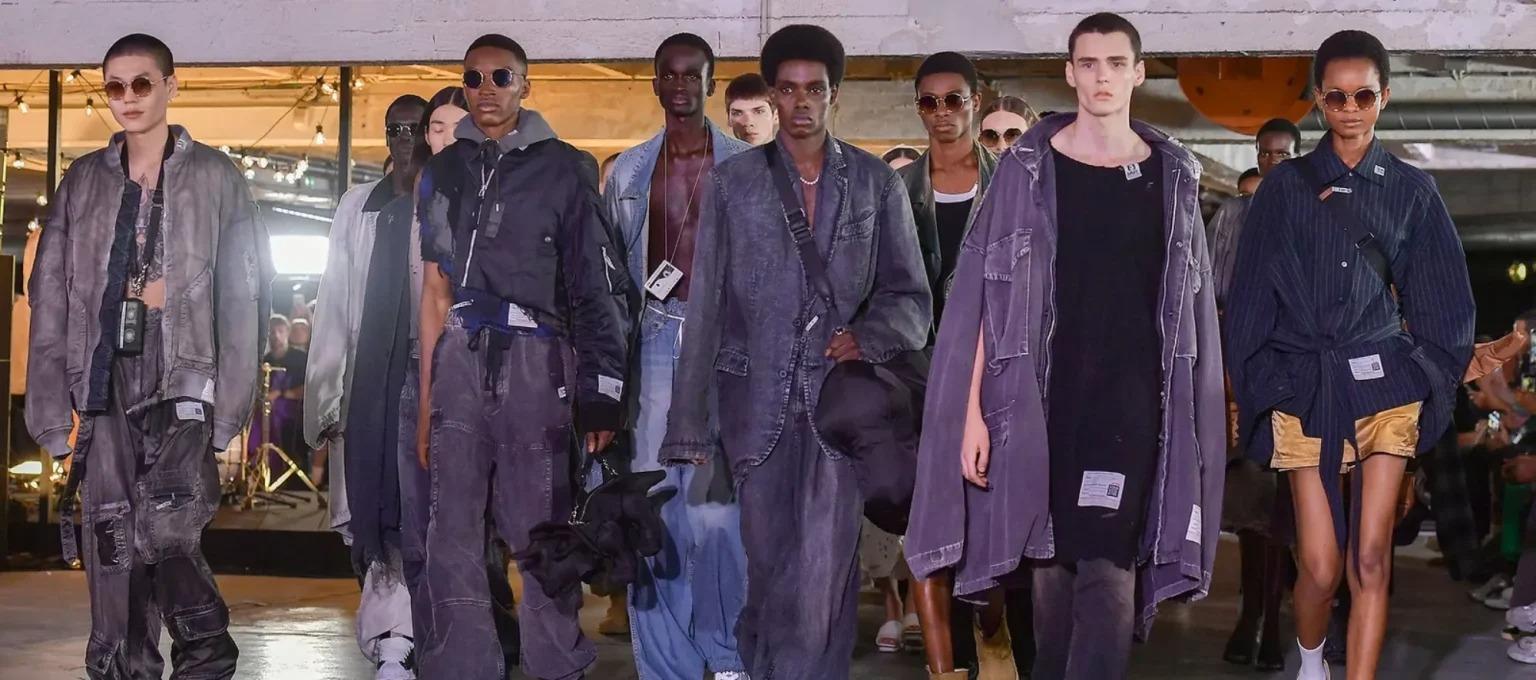
Maison Mihara Yasuhiro is one of Japan’s most distinctive fashion houses, celebrated for transforming familiar clothing and footwear into unconventional works of art. Founded by Japanese designer Yasuhiro Mihara, the brand has developed a recognizable identity built around experimentation, distortion, craftsmanship, and playful rebellion. What began as a footwear-focused project has grown into an internationally respected fashion house whose collections challenge traditional ideas about what shoes and clothing should look like.
The Beginnings of Yasuhiro Mihara
Yasuhiro Mihara was born in Nagasaki, Japan, in 1972. He studied textile design at Tama Art University in Tokyo, where his interest in fashion and materials gradually developed into a fascination with shoemaking. While still a student, Mihara began teaching himself how to make shoes. Rather than following established methods from the beginning, he learned through experimentation, mistakes, and practical experience. The official Maison Mihara history describes his approach as one driven by curiosity and a willingness to think outside conventional manufacturing methods.
In 1996, Mihara launched his footwear project, initially associated with the name archi doom, before developing the MIHARAYASUHIRO label. His early work established an important principle that would remain central throughout his career: everyday objects could become artistic expressions when traditional rules were questioned.
From Shoes to a Fashion House
Although footwear remained at the heart of Mihara’s creative identity, the designer gradually expanded into clothing. His interest in garments developed naturally from his work with shoes. He wanted to understand how different pieces of clothing interacted with footwear and how an entire outfit could express the same creative philosophy.
By the late 1990s, Mihara was presenting clothing collections in Tokyo. His designs were increasingly recognized for oversized proportions, distressed details, unusual construction, and an intentionally imperfect appearance. In 2004, he presented his work internationally in Milan, and in 2007 he began showing on the Paris men's fashion schedule. These steps helped establish the brand as an international fashion name rather than simply a Japanese footwear label.
The house later adopted the name Maison MIHARA YASUHIRO, strengthening its identity as a complete fashion house. Today, the brand continues to present collections internationally under Mihara’s artistic direction.
The Signature of Maison Mihara Yasuhiro
One of the most recognizable features of Maison Mihara Yasuhiro is its approach to footwear. Instead of simply reproducing classic sneaker silhouettes, Mihara takes familiar forms and deliberately alters them. Soles appear melted, swollen, uneven, or handmade. Canvas uppers can look slightly distorted, while traditional sneaker shapes are transformed into something that feels both familiar and strange.
The brand’s Original Sole footwear has become particularly important to its contemporary identity. These sneakers combine recognizable everyday silhouettes with exaggerated, hand-shaped-looking rubber soles. The result is a deliberate contrast between conventional footwear and an almost sculptural appearance.
This philosophy is part of what makes the brand immediately recognizable. A Maison Mihara Yasuhiro sneaker does not necessarily try to look perfectly manufactured. Instead, its irregularities become part of its beauty.
Imperfection as Design
Imperfection is one of the most important ideas associated with Mihara’s work. In conventional luxury fashion, precision and flawless finishing are often treated as signs of quality. Mihara approaches the subject differently. He frequently introduces visual imperfections, distressed surfaces, exaggerated proportions, and apparently unfinished details.
This does not mean that the products are poorly made. Quite the opposite: the appearance of imperfection is carefully designed and technically constructed. The illusion of wear, distortion, or unfinished craftsmanship becomes an artistic statement.
Mihara has also explored trompe-l'oeil techniques, creating garments and footwear that visually suggest layers, construction details, or materials that are not necessarily what they appear to be. This combination of technical skill and visual deception has become an important part of his design language.
The Influence of Street Culture
Maison Mihara Yasuhiro occupies an interesting position between high fashion, Japanese design, and street culture. Mihara’s work does not fit easily into one category. His clothing can contain elements of traditional tailoring while simultaneously incorporating punk, grunge, vintage, military, and streetwear influences.
His footwear has been particularly influential among sneaker enthusiasts because it takes something ordinary—the everyday sneaker—and makes it visually unusual. The exaggerated soles and distressed aesthetics give the shoes an expressive character that distinguishes them from conventional luxury sneakers.
The designer’s earlier collaboration with PUMA was also significant. Beginning around 2000, PUMA by MIHARA YASUHIRO allowed Mihara to experiment with familiar sportswear designs on a larger international platform. The collaboration helped demonstrate how his unconventional approach could work within a major global footwear company.
Why the Brand Stands Out
The strength of Maison Mihara Shoes lies in its ability to make people look twice. A sneaker may initially appear simple, but its distorted sole, unusual proportions, or unexpected construction creates a second impression. The same principle applies to the clothing.
Rather than relying exclusively on logos or conventional luxury codes, the brand communicates its identity through shape and construction. Its pieces often feel artistic without becoming impractical. This balance between everyday wearability and experimental design is one reason the house has developed a strong following among fashion enthusiasts.
The brand’s philosophy can also be understood as a rejection of excessive perfection. In a world where digital images, social media, and mass production increasingly influence fashion, Mihara’s designs retain a sense of physicality. They look as though they have been shaped, altered, worn, repaired, or discovered rather than simply produced.
Maison Mihara Yasuhiro Today
Maison Mihara Yasuhiro has continued to develop under Yasuhiro Mihara’s creative direction, with the house presenting contemporary menswear collections and maintaining a strong focus on footwear. The Fédération de la Haute Couture et de la Mode currently lists Maison Mihara Yasuhiro among the houses presenting menswear collections, including the 2026 season.
Recent coverage also highlights the continued importance of the brand’s Original Sole sneakers and its growing international presence. Vogue reported that footwear represents a major part of the business and that the brand has developed a strong global following while maintaining Mihara’s preference for gradual, sustainable growth rather than simply chasing viral attention.
Conclusion
Maison Mihara Yasuhiro represents a unique approach to modern fashion. From Yasuhiro Mihara’s self-taught beginnings in shoemaking to the international fashion house it has become, the brand has consistently questioned conventional ideas about beauty, craftsmanship, and perfection.
Its distorted sneakers, experimental garments, unusual proportions, and playful construction techniques have created a visual language that is difficult to confuse with any other label. More importantly, Maison Mihara Yasuhiro demonstrates that luxury does not have to mean perfection in the traditional sense. Sometimes the most memorable designs are those that deliberately bend the rules.
By turning ordinary objects into unexpected works of art, Yasuhiro Mihara has created a fashion philosophy based on curiosity, experimentation, and individuality. That spirit continues to define Maison Mihara Yasuhiro and explains why the Japanese label remains one of the most distinctive names in contemporary fashion.

 Arabic
 French
 Spanish
 Portuguese
 Deutsch
 Turkish
 Dutch
Dutch
 Italiano
 Russian
 Romaian
 Portuguese (Brazil)
 Greek
Greek
