


Siding Replacement Services for Weather Exposed Residential Properties in Wisconsin
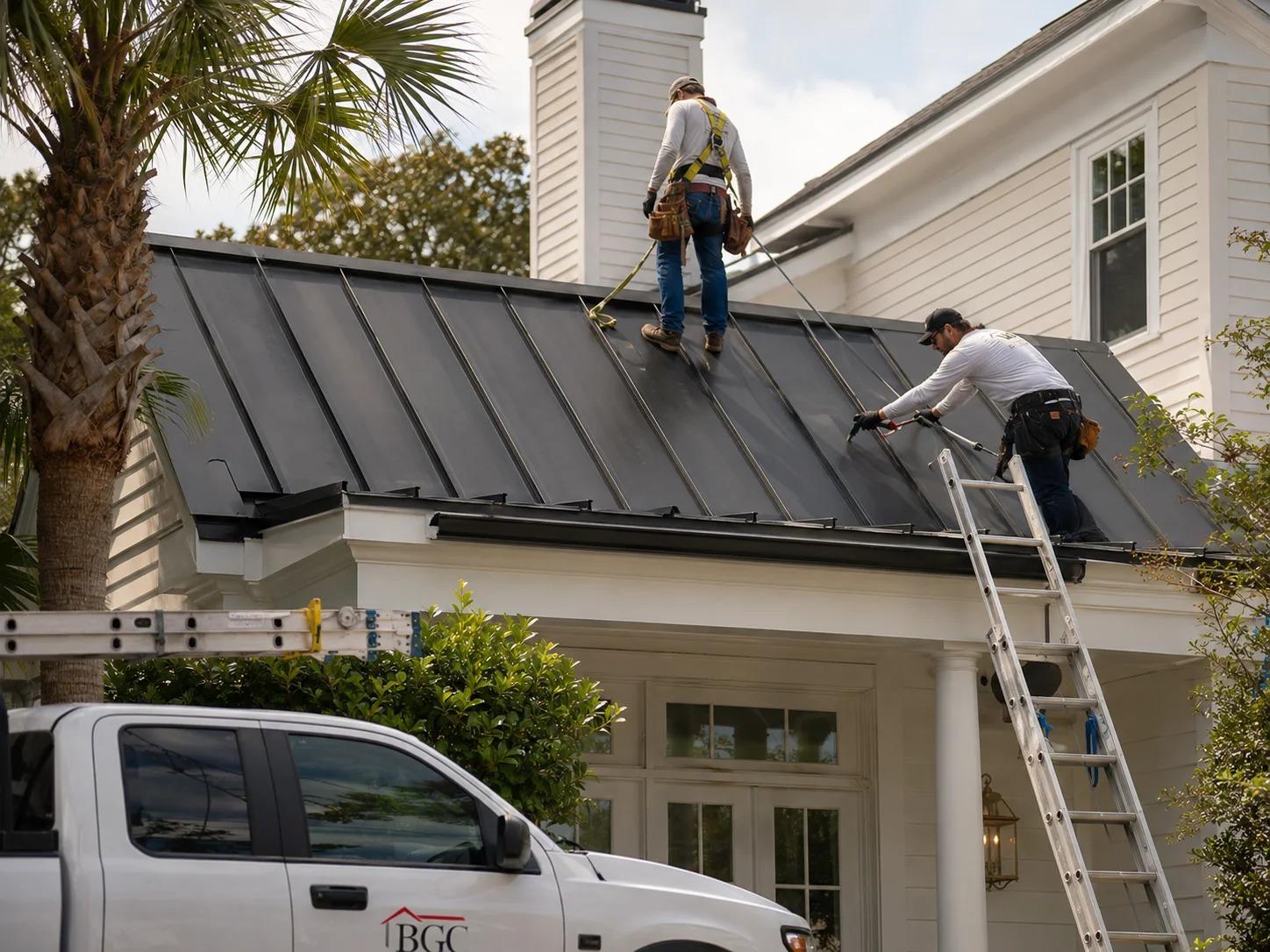
Residential siding in Wisconsin functions as more than a decorative exterior finish. It forms part of a wall assembly that must withstand rain, wind, snow, moisture, sunlight, temperature changes, and repeated seasonal exposure. When siding deteriorates, problems can extend beyond faded panels or an outdated appearance. Water may reach sheathing, damaged sections may loosen during storms, and gaps can compromise the exterior envelope.
For homeowners considering siding replacement wisconsin, the condition of the entire wall system should guide the project. Material selection, water management, flashing, insulation, fastening, trim, and installation details all influence how effectively new siding performs.
Wisconsin Weather Creates Demanding Exterior Conditions
Wisconsin homes experience substantial seasonal changes. Exterior cladding can face freezing winter temperatures followed by warmer spring and summer conditions. Repeated expansion and contraction can stress panels, joints, fasteners, sealants, and trim.
Wind driven rain adds another challenge. Water can enter around windows, doors, utility penetrations, poorly sealed joints, or damaged siding. Snow accumulation near walls can also expose lower sections to prolonged moisture as temperatures rise.
In Madison, homeowners should consider local requirements before beginning exterior work. The City of Madison currently identifies siding replacement on a house or garage as work requiring a building permit. Its residential online permit guidance also includes siding among repair or replacement projects that may qualify for online applications, depending on the applicant and scope.
Recognising When Siding Has Reached Its Limits
Not every cosmetic flaw requires complete replacement. Localised damage may sometimes be repaired when surrounding materials and the underlying wall remain sound. Widespread deterioration can indicate a broader problem.
Common warning signs include cracked panels, loose sections, warped boards, corrosion, persistent staining, rot, open seams, impact damage, missing pieces, and repeated moisture problems. Paint that continually peels on certain siding materials can also indicate moisture movement rather than a simple surface issue.
A siding replacement wisconsin assessment should examine conditions beneath visible cladding whenever possible.
Moisture Damage Requires Careful Investigation
Water behind siding can affect sheathing, framing, insulation, and interior finishes. The source may be damaged cladding, but it can also involve flashing, roof runoff, gutters, window details, or penetrations.
Madison's current storm damage guidance specifically advises property owners replacing roofing or siding to check for interior water damage and repair affected framing or support members when necessary. The city also notes that waterproofing should be addressed to reduce future problems.
That principle applies throughout Wisconsin. Covering deteriorated sheathing with new exterior material can conceal rather than correct the underlying problem.
Selecting Siding for Residential Exposure
Different siding products respond differently to moisture, impact, temperature movement, maintenance, and installation conditions. Homeowners should compare more than colour and initial price.
Vinyl siding is commonly selected because it offers relatively low maintenance and many profiles. Insulated vinyl systems incorporate a backing that can add rigidity and influence thermal performance.
Steel and aluminium siding provide alternatives for owners seeking metal cladding. Cedar and other wood products offer a distinctive natural appearance but generally require greater attention to moisture control, coatings, and ongoing maintenance.
Fiber cement is another option used on residential properties where homeowners want a durable manufactured cladding product. Each material should be installed according to manufacturer requirements and applicable codes.
Installation Details Matter as Much as Material
Even high quality cladding can perform poorly when installed incorrectly. Fastener placement, clearances, overlaps, corner details, flashing, expansion allowances, and transitions around openings all matter.
The Wisconsin Department of Safety and Professional Services administers the Uniform Dwelling Code for one and two family dwellings built since June 1, 1980, and the code is enforced throughout Wisconsin municipalities. Building materials are evaluated for compliance with applicable standards.
For a property in Milwaukee, local requirements should also be checked before work begins because municipal permitting and property specific conditions may affect project planning.
The Wall Behind the Siding Matters
Replacement provides an opportunity to inspect components that are normally hidden. Once old cladding is removed, contractors may identify damaged sheathing, deteriorated trim, failed flashing, insect activity, moisture staining, or insulation deficiencies.
This stage is important because siding is only one layer of exterior protection.
Water Management Behind Exterior Cladding
A properly constructed wall assembly manages water that reaches or passes the exterior covering. Flashing around windows, doors, penetrations, and transitions should direct moisture outward rather than trapping it inside the wall.
Air sealing and insulation also influence comfort and moisture behaviour. Wisconsin's current residential energy provisions address the dwelling thermal envelope and require relevant insulation and weather sealing materials to be installed according to applicable requirements and manufacturer instructions.
For homes in Janesville, combining necessary exterior replacement with an evaluation of accessible wall conditions can help owners understand whether additional improvements make sense before new cladding covers the assembly.
Storm Damage Can Change Replacement Priorities
Hail and wind can damage siding suddenly. Hail may crack vinyl, dent metal panels, damage trim, or affect other exterior components during the same storm. High winds can loosen panels and expose vulnerable sections of the wall.
After severe weather, homeowners should inspect roofing, gutters, downspouts, soffit, fascia, windows, and siding as related components rather than focusing on a single visible defect.
The City of Madison warns property owners to assess storm damage promptly because smaller issues can worsen with time. It also advises checking contractor credentials and verifying required permits.
For siding replacement wisconsin after a storm, documentation can include photographs, affected elevations, material type, impact patterns, and observations about underlying damage.
Coordinating Siding With Roofing and Drainage
Exterior systems perform best when they work together. Roofing sheds precipitation toward gutters. Gutters and downspouts direct runoff away from walls and foundations. Flashing manages transitions. Siding protects vertical wall surfaces.
A failed gutter above new siding can repeatedly discharge water across the wall. Damaged roof flashing can create moisture symptoms that appear to be siding related. Exterior renovation planning should therefore identify the source of water before replacing finishes.
In Waukesha, homes with mature landscaping or complex rooflines may have concentrated drainage areas that deserve attention during an exterior assessment.
Trim Soffit and Fascia Need Coordination
Siding projects frequently meet window trim, door trim, soffit, fascia, utility penetrations, and roof edges. These transitions need compatible materials and appropriate flashing.
The business service context associated with siding installation wisconsin can therefore extend beyond installing wall panels. A complete scope may require inspection of related exterior components so new cladding does not terminate against damaged materials.
Planning Replacement Around Long Term Ownership
A useful siding plan balances installation cost with maintenance, expected exposure, repairability, appearance, and compatibility with the property. Owners planning to remain in a home for many years may place greater emphasis on lifecycle maintenance and durability.
Colour and profile matter, but technical factors should come first. Darker finishes can respond differently to solar exposure, wood products require maintenance, and metal systems have distinct fastening and expansion considerations.
For residential properties near Stoughton, siding replacement may also provide an opportunity to correct damaged trim, improve vulnerable transitions, and coordinate gutters or roof edge repairs before exterior work is completed.
Professional Assessment Reduces Hidden Surprises
Before siding replacement wisconsin begins, a detailed exterior review can establish whether the project involves straightforward cladding replacement or broader envelope repairs. Contractors can examine wall surfaces, openings, trim, penetrations, existing moisture symptoms, and adjacent drainage components.
Planning these details before material removal can reduce delays and help owners establish realistic project expectations.
Conclusion
Weather exposed Wisconsin homes need siding systems that manage more than appearance. Effective replacement depends on durable materials, sound sheathing, water resistant details, proper flashing, secure fastening, insulation considerations, and coordination with roofing and drainage components. Careful inspection before installation allows hidden deterioration to be addressed instead of covered. When the entire wall assembly is considered, new siding can provide stronger weather protection and more predictable exterior performance through Wisconsin's changing seasons.

 English
 Arabic
 French
 Spanish
 Portuguese
 Deutsch
 Turkish
 Dutch
Dutch
 Italiano
 Russian
 Portuguese (Brazil)
 Greek
Greek
