


Tooth Replacement Options: A Simple Guide for Beginners
Losing a tooth, whether from decay, injury, or age, is more common than most people realize. What matters most isn't the loss itself, but what you do next. Leaving a gap unaddressed can lead to shifting teeth, bone loss in the jaw, bite problems, and even changes in your facial structure over time. The good news is that modern dentistry offers several reliable ways to restore your smile, your bite, and your confidence.
If you're just starting to explore your options, this guide breaks down the most common tooth replacement solutions in plain language, so you can have an informed conversation with your dentist.
Why Replacing a Missing Tooth Matters
A single missing tooth might not seem like a big deal at first, but the effects tend to compound. Neighboring teeth can drift into the empty space, your bite alignment can shift, and the jawbone beneath the gap can begin to shrink from lack of stimulation. Over months and years, this can lead to further tooth loss, jaw pain, and a sunken facial appearance.
That's why dentists generally recommend replacing a missing tooth as soon as possible, rather than waiting. The right replacement not only fills the gap cosmetically but also preserves the health of your jaw and surrounding teeth.
Option 1: Dental Bridges
A dental bridge is a fixed restoration that "bridges" the gap left by one or more missing teeth. It typically consists of an artificial tooth (or teeth) anchored to the natural teeth on either side of the gap, which are shaped and fitted with crowns to support the bridge.
Pros:
-
Doesn't require surgery
-
Usually completed in two to three dental visits
-
Restores chewing function and appearance relatively quickly
Cons:
-
Requires altering healthy adjacent teeth to place the crowns
-
Doesn't stop bone loss in the jaw, since there's no root replacing the missing tooth
-
Typically needs replacement every 10 to 15 years
Bridges remain a solid option for patients who aren't candidates for surgery or who want a faster, less invasive fix.
Option 2: Removable Dentures
Dentures have been around for generations, and today's versions are far more comfortable and natural-looking than in the past. Partial dentures replace a few missing teeth, while full dentures replace an entire arch of teeth. They rest on the gums and can be taken out for cleaning.
Pros:
-
Non-surgical and generally more affordable upfront
-
Can replace multiple or all teeth at once
-
Easy to adjust or remake as your mouth changes
Cons:
-
Can feel less stable, especially when eating or speaking
-
May require adhesives to stay in place
-
Like bridges, they don't prevent jawbone loss
-
Typically need relining or replacing every five to eight years
Dentures work well for patients who need a broader restoration and prefer a removable, non-surgical solution.
Option 3: Dental Implants
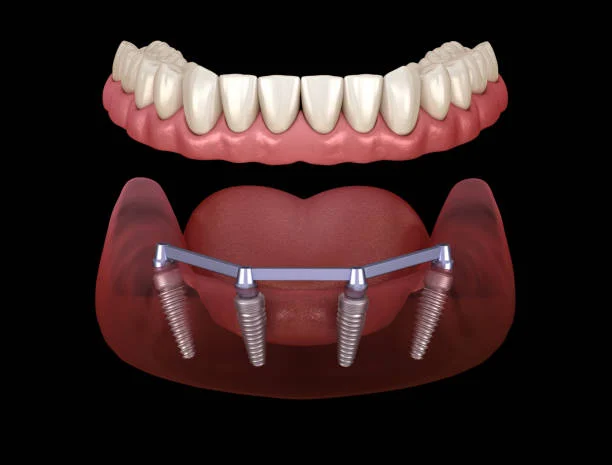
Dental implants are widely considered the closest thing to a natural tooth. An implant consists of a titanium post that's surgically placed into the jawbone, acting as an artificial root. Once it fuses with the bone through a process called osseointegration, a custom crown is attached on top.
Pros:
-
Look, feel, and function like natural teeth
-
Stimulate the jawbone, preventing the bone loss associated with other options
-
Don't require altering neighboring healthy teeth
-
Can last decades, even a lifetime, with proper care
Cons:
-
Requires a minor surgical procedure
-
Takes longer overall, often several months, to allow for healing and bone integration
-
Higher upfront cost, though the long-term value is often better since implants rarely need replacing
For patients who want a permanent, low-maintenance solution that preserves oral health long-term, implants are frequently the recommended path. If you're researching Dental Implants in San Antonio, TX , it's worth scheduling a consultation to find out whether you're a good candidate, since factors like jawbone density and gum health play a role in the process.
How to Choose the Right Option
There's no single "best" tooth replacement for everyone. The right choice depends on a few key factors:
-
Number of missing teeth. A single gap might be well-suited to an implant or bridge, while multiple missing teeth may call for a partial denture or a series of implants.
-
Jawbone health. Implants require sufficient bone density to anchor properly. If bone loss has already occurred, a bone graft may be needed first.
-
Budget and timeline. Bridges and dentures tend to be faster and less expensive upfront, while implants involve more time and investment but often pay off over the long run.
-
Long-term goals. If preserving jawbone structure and avoiding future dental work is a priority, implants usually offer the strongest long-term outcome.
A thorough evaluation, including X-rays and a discussion of your medical history, is the best way to determine which option fits your specific situation.
What to Expect During a Consultation
If you're considering your options, a consultation is typically the first step. Your dentist will:
-
Examine the gap and surrounding teeth
-
Take X-rays or a 3D scan to assess bone health
-
Discuss your medical history and any conditions that might affect healing
-
Walk you through the pros, cons, timeline, and cost of each suitable option
This is also the right time to ask questions about recovery, maintenance, and what results you can realistically expect.
Caring for Your New Teeth
Regardless of which option you choose, proper care extends the life of your restoration:
-
Brush and floss daily, including around bridges and implant crowns
-
Attend regular dental checkups and cleanings
-
Avoid chewing on very hard foods or ice, which can damage restorations
-
For dentures, follow your dentist's cleaning and soaking instructions closely
Good oral hygiene habits protect not just your replacement teeth, but the health of your remaining natural teeth and gums as well.
Conclusion
Tooth loss doesn't have to mean a lifetime of compromise. Bridges, dentures, and implants each offer a path back to a functional, confident smile, and understanding the differences between them puts you in a much better position to make the right decision for your mouth and your lifestyle.
If you're weighing your options and want personalized guidance, the team at Mysa Dental offers consultations to help you understand which solution fits your needs, timeline, and budget. Taking that first step toward replacing a missing tooth is often easier than people expect, and the long-term benefits to your oral health make it well worth exploring sooner rather than later.

 English
 Arabic
 French
 Spanish
 Portuguese
 Deutsch
 Turkish
 Dutch
Dutch
 Italiano
 Romaian
 Portuguese (Brazil)
 Greek
Greek
