


How Air Curtains With Sensors Improve Energy Efficiency in Commercial Spaces
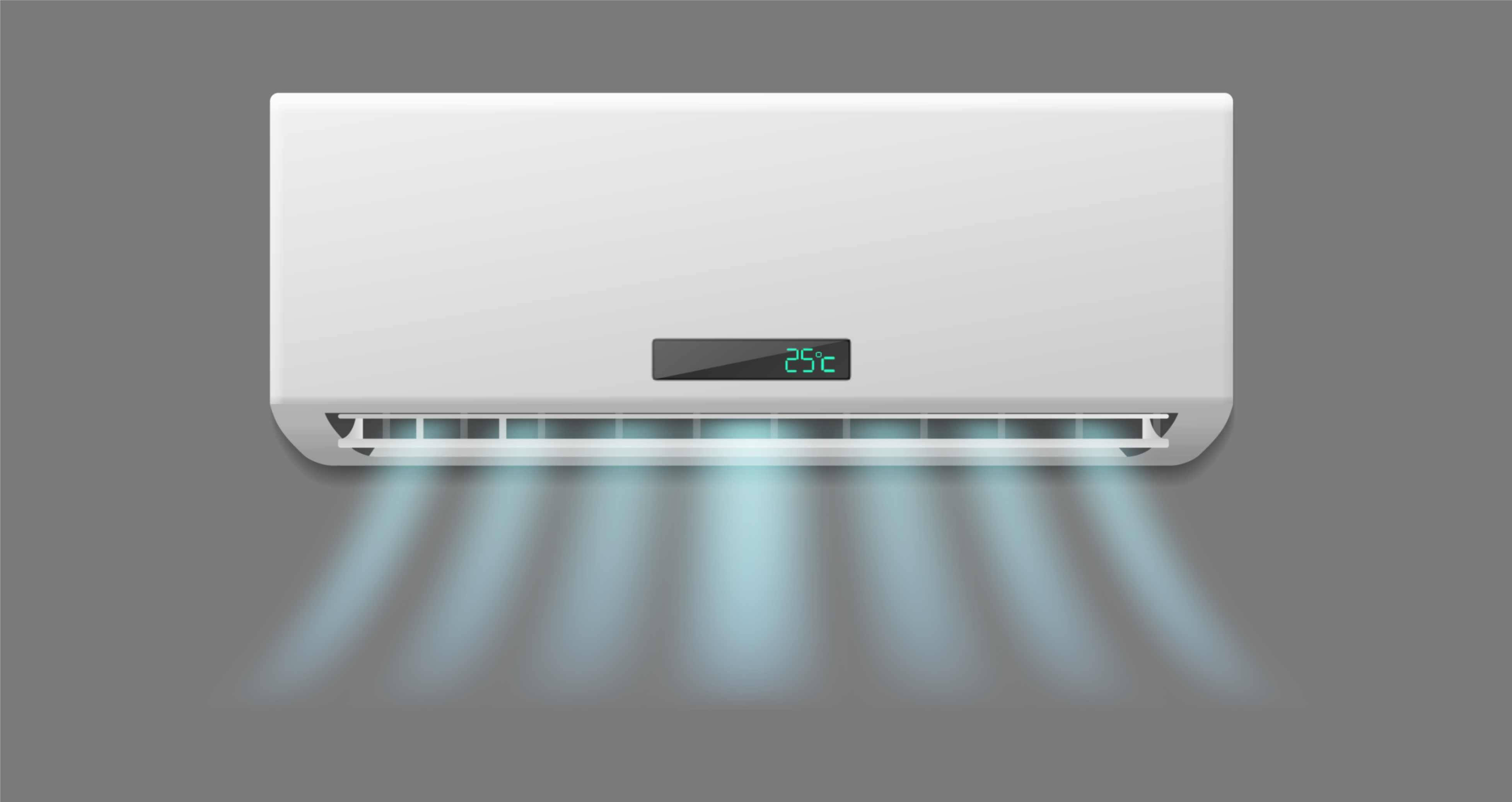
Energy efficiency has moved from being a desirable feature to an operational necessity for commercial buildings. Rising utility costs, sustainability goals, and stricter building regulations are pushing businesses to rethink how they manage heating and cooling. One increasingly important solution is the air curtain with sensor, a technology that combines airflow management with intelligent automation. While air curtains have existed for decades, sensor integration has dramatically improved their performance, efficiency, and adaptability in modern commercial environments.
Air curtains are no longer just accessories placed above doors. They are active components of a building’s energy strategy. When enhanced with sensors, these systems respond dynamically to real world conditions, reducing wasted energy while maintaining comfort and indoor air quality.
Understanding the Role of Air Curtains in Commercial Buildings
Air curtains create an invisible barrier of air across doorways or openings. This barrier helps separate indoor and outdoor environments without physically blocking movement. In commercial spaces with frequent door activity, this function becomes critical.
Without air curtains, every door opening allows conditioned air to escape. Warm air exits during winter, cooled air escapes in summer, and outside air flows inward. The HVAC system must then work harder to stabilize indoor temperatures.
Why Doorways Are Major Energy Loss Points
Doorways are among the most vulnerable areas for energy loss. High traffic entrances, loading docks, retail storefronts, and industrial access points often remain open or cycle constantly.
This leads to:
-
Continuous temperature fluctuations
-
Increased HVAC runtime
-
Higher energy consumption
-
Reduced occupant comfort
Air curtains address these challenges by minimizing air exchange between zones.
Traditional Air Curtains Versus Sensor Enabled Systems
Conventional air curtains typically operate at fixed speeds or manual settings. While helpful, they do not adapt to changing conditions. They may run unnecessarily or fail to respond effectively when traffic patterns shift.
Sensor enabled air curtains introduce automation and intelligence. Instead of running continuously, they activate based on specific triggers and environmental feedback.
How Sensors Transform Air Curtain Efficiency
Sensors fundamentally change how air curtains operate. Rather than functioning as static devices, they become responsive systems.
Motion and Presence Detection
Motion sensors detect when doors open or when people approach. The air curtain activates only when needed.
This targeted operation reduces:
-
Idle energy consumption
-
Equipment wear
-
Unnecessary airflow
The result is lower operational costs and extended equipment lifespan.
Temperature Monitoring
Temperature sensors measure indoor and outdoor conditions. The system can adjust airflow intensity based on the severity of the temperature difference.
For example:
-
Larger temperature gaps trigger stronger airflow
-
Mild conditions require less power
This prevents overuse while maintaining effective separation.
Pressure and Airflow Optimization
Advanced systems may include pressure sensors that fine tune airflow velocity. Properly calibrated airflow is crucial.
Too little airflow weakens the barrier. Too much airflow wastes energy and creates discomfort.
Sensors ensure balance, delivering only the airflow required for optimal performance.
Energy Savings Through Intelligent Operation
The energy efficiency benefits of sensor integrated air curtains come from smarter usage patterns.
Reduced HVAC Load
By limiting air infiltration and exfiltration, air curtains reduce the burden on HVAC systems. Heating and cooling units no longer need to compensate for large temperature swings.
This leads to:
-
Lower energy consumption
-
Reduced peak demand
-
More stable indoor climates
Over time, these savings can be substantial, particularly in high traffic facilities.
Prevention of Conditioned Air Loss
Conditioned air represents a significant energy investment. Losing it through open doors is equivalent to wasting money.
Sensor controlled air curtains minimize this loss by activating precisely when airflow protection is needed.
Seasonal Adaptability
Sensor based systems naturally adapt to seasonal changes. Businesses do not need constant manual adjustments.
Winter, summer, and transitional weather conditions are handled automatically, improving consistency and efficiency.
Comfort and Indoor Climate Stability
Energy efficiency is closely tied to occupant comfort. Unstable indoor environments lead to dissatisfaction and productivity issues.
Eliminating Drafts and Cold Spots
Uncontrolled air movement through entrances often creates drafts. Employees near doors may experience discomfort, while interior zones remain unaffected.
Air curtains maintain a more uniform temperature distribution, enhancing comfort across the space.
Improved Customer Experience
Retail environments particularly benefit. Customers entering stores do not encounter sudden temperature shifts, which can negatively affect perception.
Comfortable entryways contribute to:
-
Better customer satisfaction
-
Longer dwell times
-
Improved brand experience
Enhancing Indoor Air Quality Alongside Efficiency
Energy management is not the only concern. Indoor air quality is increasingly important in commercial settings.
Blocking Pollutants and Dust
Air curtains reduce the entry of outdoor contaminants such as dust, fumes, and pollutants. Sensors ensure protection occurs during active door use.
Cleaner indoor air supports:
-
Healthier environments
-
Reduced cleaning costs
-
Better equipment performance
Pest and Insect Control
In food service, healthcare, and industrial environments, pest control is essential. Proper airflow barriers deter insects without requiring chemical solutions.
Sensor activation ensures protection when openings are in use.
Cost Efficiency Beyond Energy Savings
While energy reduction is a primary benefit, sensor integrated air curtains also contribute to broader cost efficiencies.
Lower Maintenance Requirements
Running equipment continuously increases wear. Sensor based operation reduces unnecessary runtime, extending motor and component life.
This translates into:
-
Fewer repairs
-
Longer replacement cycles
-
Reduced downtime
Smarter Resource Allocation
Facilities teams spend less time manually adjusting systems. Automation simplifies building management, allowing staff to focus on higher value tasks.
Strategic Placement in Commercial Spaces
The effectiveness of air curtains depends heavily on placement and design.
High Traffic Entrances
Retail stores, office buildings, and hospitality venues often experience constant door activity. These areas yield the greatest efficiency gains.
Loading Bays and Industrial Access Points
Warehouses and manufacturing facilities frequently keep large doors open. Air curtains with sensors help maintain internal temperature stability despite operational demands.
Climate Controlled Zones
Hospitals, laboratories, and data centers rely on strict environmental control. Air curtains support separation without disrupting workflow.
The Importance of System Design and Quality
Not all air curtains perform equally. Performance depends on engineering, airflow design, and sensor integration quality.
Working with experienced air curtain manufacturers becomes essential for selecting systems that match building requirements.
Key considerations include:
-
Door dimensions
-
Installation height
-
Environmental conditions
-
Traffic patterns
Properly designed systems maximize efficiency while avoiding common performance issues.
Future Trends in Sensor Driven Airflow Technology
Air curtain technology continues to evolve alongside broader smart building innovations.
Integration With Building Management Systems
Modern systems increasingly connect with centralized building controls. This allows coordinated operation with HVAC, doors, and occupancy data.
Data Driven Optimization
Sensors generate valuable performance data. Facilities can analyze usage patterns, energy savings, and airflow effectiveness.
Enhanced Automation Capabilities
Artificial intelligence and predictive controls may further refine system behavior, anticipating traffic and environmental changes.
Final Thought
Energy efficiency in commercial spaces is no longer achieved through a single solution. It requires a combination of technologies that work intelligently together. The air curtain with sensor represents a practical, high impact component of this strategy. By reducing conditioned air loss, stabilizing indoor climates, and optimizing operational behavior, these systems deliver measurable financial and environmental benefits. When sourced from reliable air curtain manufacturers, businesses gain not just equipment, but a smarter approach to managing energy, comfort, and sustainability across their facilities.

 English
 Arabic
 French
 Portuguese
 Deutsch
 Turkish
 Dutch
Dutch
 Italiano
 Russian
 Romaian
 Portuguese (Brazil)
 Greek
Greek
