


Signs and Symptoms of Pelvic Inflammatory Disease
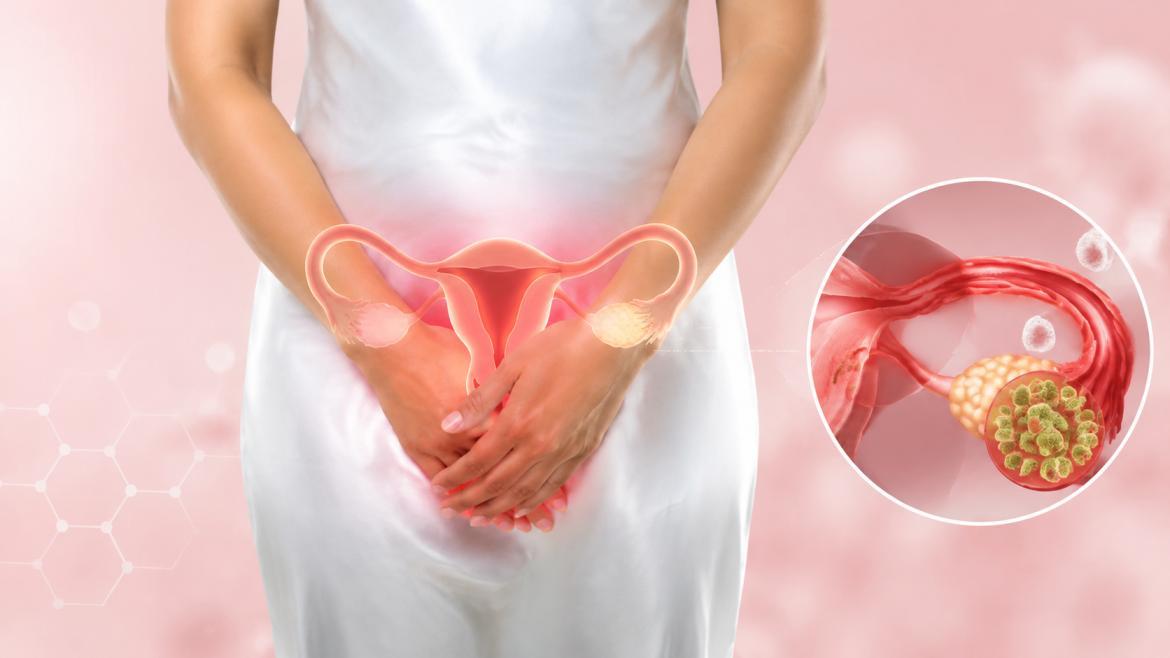
Pelvic Inflammatory Disease (PID) is a common but serious infection affecting the female reproductive organs, including the uterus, fallopian tubes, and ovaries. It usually occurs when bacteria from the vagina or cervix travel upward into the reproductive system, causing inflammation and infection. Early diagnosis and proper treatment are essential because untreated PID can lead to complications such as infertility, chronic pelvic pain, and problems during pregnancy.
Many women may experience mild symptoms or no symptoms at all in the early stages, which makes regular gynecological checkups important. Understanding the warning signs can help women seek medical care before the condition becomes severe.
What Causes Pelvic Inflammatory Disease?
Pelvic Inflammatory Disease is most commonly caused by sexually transmitted infections (STIs), especially chlamydia and gonorrhea. However, other types of bacteria that normally exist in the vaginal area can also contribute to the development of PID.
Factors that may increase the risk of developing PID include having unprotected sexual activity, multiple sexual partners, a history of sexually transmitted infections, previous episodes of PID, or certain medical procedures involving the reproductive system.
Common Signs and Symptoms of Pelvic Inflammatory Disease
The symptoms of PID can vary from person to person. Some women may notice sudden and severe symptoms, while others may experience mild discomfort that gradually worsens.
1. Pelvic or Lower Abdominal Pain
One of the most common symptoms of PID is pain in the lower abdomen or pelvic area. The pain may feel like a dull ache, pressure, or cramping sensation. It can occur on one or both sides of the lower abdomen and may become worse during physical activity or sexual intercourse.
Persistent pelvic discomfort should not be ignored, especially when it is accompanied by other symptoms.
2. Pain During Sexual Intercourse
Women with PID may experience discomfort or sharp pain during sexual activity. This happens because inflammation affects the reproductive organs and surrounding tissues. Pain during intercourse that is new or continues over time should be evaluated by a healthcare professional.
3. Unusual Vaginal Discharge
A change in vaginal discharge can be a warning sign of infection. Women with PID may notice discharge that is heavier than usual, has an unusual color, or develops a strong unpleasant odor.
Although vaginal discharge can change for many reasons, abnormal discharge combined with pelvic pain may indicate an underlying infection.
4. Fever and Chills
PID can cause symptoms similar to other infections, including fever, chills, and feeling generally unwell. A fever may indicate that the body is fighting an infection, and medical attention should be considered if it occurs with pelvic discomfort or abnormal discharge.
5. Painful Urination
Some women with PID experience burning, discomfort, or pain while urinating. This symptom may occur because the infection can affect nearby urinary structures or because PID is associated with other infections affecting the reproductive and urinary systems.
6. Irregular Menstrual Bleeding
PID may cause changes in the menstrual cycle, including bleeding between periods, heavier menstrual bleeding, or bleeding after sexual intercourse. Any unusual bleeding pattern should be discussed with a gynecologist to identify the underlying cause.
7. Fatigue and General Weakness
Because PID involves infection and inflammation, some women may experience tiredness, weakness, nausea, or a general feeling of being unwell. These symptoms can sometimes be overlooked but may occur alongside other signs of PID.
When Should You See a Doctor?
It is important to seek medical advice if you experience persistent pelvic pain, abnormal vaginal discharge, fever, painful intercourse, or unusual bleeding. Early treatment can prevent the infection from spreading and reduce the risk of long-term complications.
A healthcare provider may perform a pelvic examination, review symptoms, and recommend tests such as vaginal swabs, blood tests, urine tests, or imaging studies to confirm the diagnosis.
Possible Complications of Untreated Pelvic Inflammatory Disease
If PID is not treated promptly, the infection can cause permanent damage to the reproductive organs. Some possible complications include:
-
Difficulty becoming pregnant due to damage to the fallopian tubes
-
Increased risk of ectopic pregnancy, where a fertilized egg implants outside the uterus
-
Chronic pelvic pain that continues for months or years
-
Formation of abscesses in the reproductive organs
These complications highlight the importance of early detection and proper medical treatment.
Diagnosis and Treatment of PID
Treatment for Pelvic Inflammatory Disease usually involves antibiotics to eliminate the infection. In some cases, both partners may need evaluation and treatment if a sexually transmitted infection is involved.
It is important to complete the full course of prescribed medication, even if symptoms improve. Stopping treatment early may allow the infection to return or become more difficult to treat.
Regular gynecological visits, safe sexual practices, and awareness of reproductive health symptoms can significantly reduce the risk of complications.
Preventing Pelvic Inflammatory Disease
Although PID cannot always be completely prevented, several steps can reduce the risk:
-
Practice safe sexual habits
-
Get regular screening for sexually transmitted infections
-
Seek treatment early for vaginal or reproductive infections
-
Maintain regular gynecological checkups
-
Communicate openly with healthcare providers about reproductive health concerns
Importance of Choosing the Right Gynecological Care
Women experiencing symptoms related to reproductive health need timely evaluation from an experienced specialist. Consulting the best gynecologist in Lahore can help ensure accurate diagnosis, appropriate treatment, and guidance for maintaining long-term reproductive health.
Dr. Noreen Huma Best Gynecologist & Obstetrician provides professional gynecological care for women dealing with various reproductive health concerns. Patients can contact 0311 6712017 for consultation. The clinic is located at Plot No. 393-396 & 423-426, Street 2, Block D Block D 2 Phase 1 Johar Town, Lahore, Punjab 54000.
Final Thoughts
Pelvic Inflammatory Disease is a condition that requires attention and timely treatment. Recognizing symptoms such as pelvic pain, abnormal discharge, fever, painful intercourse, and irregular bleeding can help women seek medical care at an early stage.
Ignoring symptoms may increase the risk of serious reproductive health problems, but with proper diagnosis and treatment, most women can recover successfully. Regular checkups, preventive care, and awareness are key steps toward protecting women’s reproductive health.9

 English
 Arabic
 French
 Spanish
 Portuguese
 Deutsch
 Turkish
 Dutch
Dutch
 Italiano
 Russian
 Romaian
 Greek
Greek
