


Custom chatbot AI development services: Building Personalized User Experiences
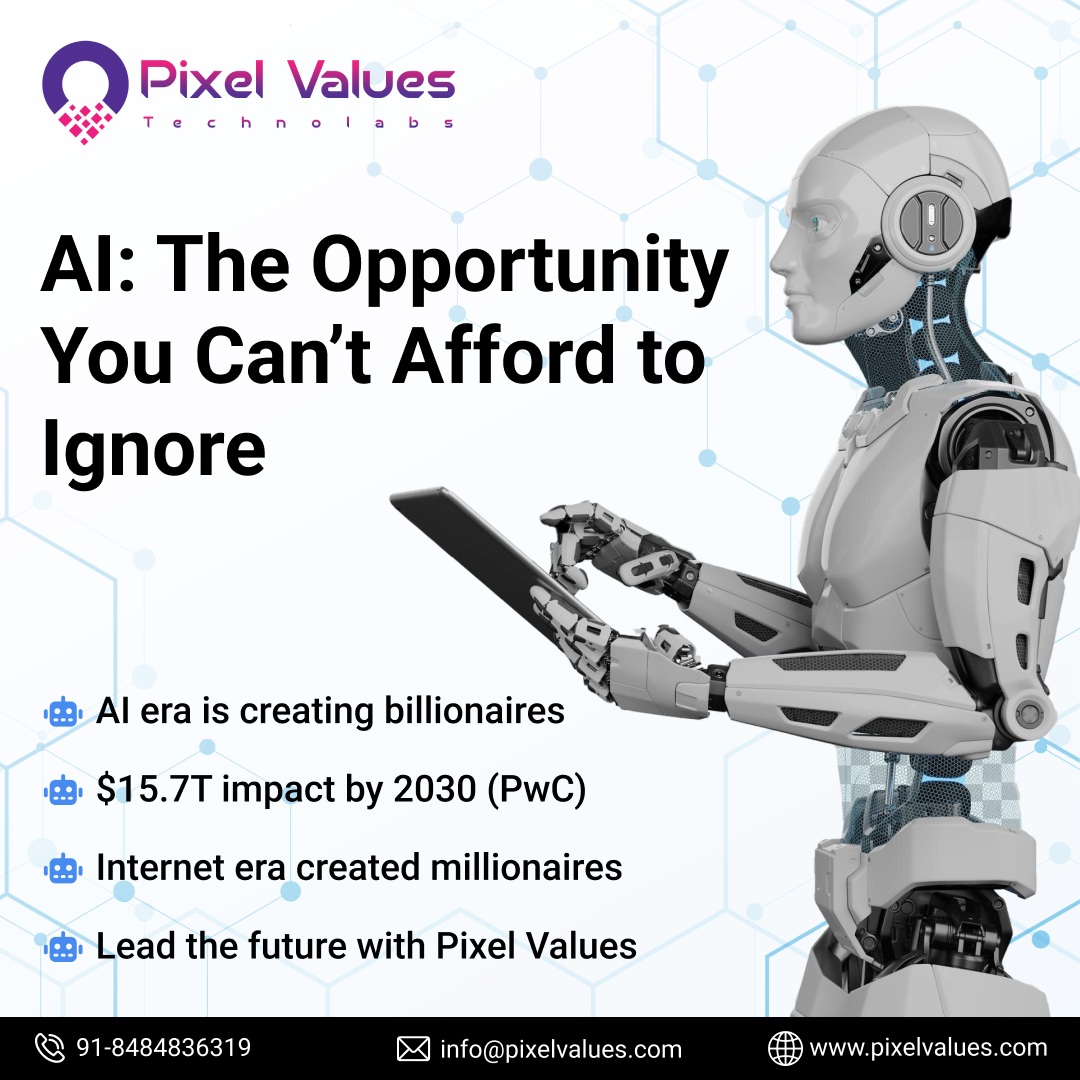
Custom chatbot AI development services are helping businesses create intelligent, responsive, and personalized communication systems that can interact with customers around the clock. Unlike basic rule-based chatbots, custom AI chatbots can understand natural language, interpret user intent, provide relevant responses, and improve interactions through advanced artificial intelligence technologies. Businesses can use these solutions to enhance customer service, automate repetitive tasks, and create more efficient digital experiences.
What Are Custom AI Chatbots?
Custom AI chatbots are software applications designed specifically around the needs, workflows, and objectives of a business. They can be integrated into websites, mobile applications, social media platforms, messaging systems, and internal business tools.
Modern chatbots can use technologies such as natural language processing (NLP), machine learning, large language models (LLMs), and retrieval-augmented generation (RAG). These technologies allow chatbots to process human language and deliver more contextual and useful responses.
Why Businesses Need Custom Chatbots
Every business has different customers, processes, and communication requirements. A generic chatbot may provide limited functionality, while a customized solution can be designed to address specific business challenges.
One major advantage is 24/7 customer support. AI chatbots can answer frequently asked questions, provide product information, assist with basic troubleshooting, and guide users even outside regular business hours.
Another benefit is automation. Chatbots can handle repetitive interactions such as appointment scheduling, order tracking, lead qualification, customer onboarding, and information collection. This allows employees to focus on more complex responsibilities.
Custom chatbots can also support personalized customer experiences. By connecting with approved business data and systems, a chatbot can provide responses based on customer preferences, previous interactions, product details, or account information.
Key Features of Custom AI Chatbots
A well-designed AI chatbot can include several advanced capabilities, including:
· Natural language understanding: Enables the chatbot to understand conversational questions and requests.
· Multilingual support: Helps businesses communicate with customers across different languages and regions.
· Context-aware conversations: Allows the chatbot to maintain conversational context for more relevant responses.
· System integration: Connects the chatbot with CRM, ERP, help desk, e-commerce, payment, or other business platforms.
· Lead generation: Collects customer information and identifies potential prospects.
· Analytics and reporting: Provides insights into customer questions, engagement patterns, and chatbot performance.
· Human handoff: Transfers complex or sensitive conversations to human agents when necessary.
Applications across Industries
Custom AI chatbots can be applied across many industries. In e-commerce, they can help customers discover products, track orders, and receive personalized recommendations. In healthcare, chatbots can assist with general information, appointment requests, and administrative communication while maintaining appropriate privacy and security practices.
Financial organizations can use AI chatbots for customer inquiries, account-related guidance, and service information. Educational institutions can use them to answer questions about courses, admissions, schedules, and campus services. Similarly, travel and hospitality businesses can deploy chatbots for reservations, itinerary assistance, and customer support.
How Custom Chatbot Development Works
The development process generally begins with identifying business goals and target users. Developers then define the chatbot's conversational flows, data sources, integrations, security requirements, and functionality.
The next stage involves selecting appropriate AI technologies and developing the chatbot. It is then trained or connected to reliable business information so it can generate relevant responses. Testing is essential to evaluate accuracy, usability, security, and performance.
After deployment, continuous monitoring helps identify areas for improvement. Businesses can update knowledge sources, refine conversations, and introduce new capabilities as customer expectations evolve.
Choosing the Right Development Approach
When selecting Custom chatbot AI development services, businesses should evaluate technical expertise, integration capabilities, security practices, scalability, and post-development support. The chatbot should be designed with clear objectives rather than adding AI simply for technological appeal.
A successful chatbot should balance automation with human support. It should know when to answer independently and when to escalate an interaction to a human representative.
Conclusion
Custom chatbot AI development services offer businesses a practical way to automate communication, improve customer experiences, and streamline everyday operations. With capabilities such as natural language understanding, personalization, system integration, and intelligent automation, custom chatbots can become valuable digital assistants across industries. As AI technology continues to evolve, organizations that adopt thoughtfully designed chatbot solutions can build more responsive, efficient, and customer-focused experiences.


 English
 Arabic
 French
 Spanish
 Portuguese
 Turkish
 Dutch
Dutch
 Italiano
 Russian
 Romaian
 Portuguese (Brazil)
 Greek
Greek
