


Laser LASIK Eye Surgery – Safe Laser Operation for Clearer Vision
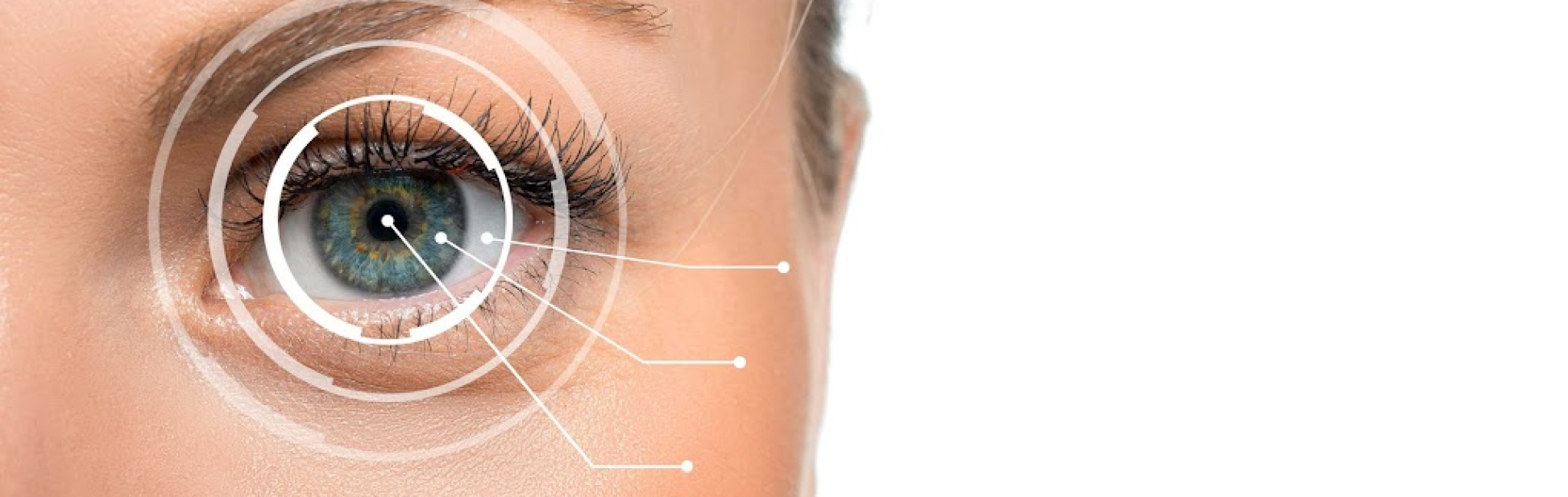
Laser LASIK eye surgery reshapes the cornea with a laser, correcting blurry vision in about minutes. Decades of research back it up, and for most healthy adults, it's a genuinely safe way to see clearly again.
What Is Laser LASIK Eye Surgery?
The term LASIK stands for Laser-Assisted In Situ Keratomileusis, which is a complex term, so generally, people prefer to use the abbreviation LASIK. In fact, LASIK is a laser surgery that manipulates the cornea to ensure proper light refractive focusing by the eyes.
How LASIK Changes the Shape of the Cornea
First, the surgeon lifts a thin flap on the surface of the cornea, almost like turning back a page. A laser underneath then removes tiny amounts of tissue to adjust the curve, and that's what changes how light bends once it hits the eye.
Which Refractive Errors Can It Correct?
Not every blurry-vision problem looks the same, and LASIK covers the three most common ones:
-
Short sight (myopia), which blurs anything far away
-
Long sight (hyperopia), which blurs anything up close
-
Astigmatism, which blurs vision at every distance because of an irregular corneal curve
How LASIK Differs from Other Laser Procedures
LASIK starts by creating that thin flap, while surface treatments like LASEK or PRK skip the flap altogether and work on the top layer directly. Recovery tends to be quicker with LASIK, but surgeons often lean toward PRK when a patient's cornea is on the thinner side.
What Are the Main Benefits of LASIK?
Clearer vision is not the only reason people choose this surgery. There are other reasons as well.
Reduced Dependence on Glasses
Most patients stop wearing glasses or contacts for daily tasks after LASIK laser surgery, since it fixes vision at the source instead of masking it. But here's the thing- reading glasses may still be needed later due to normal ageing.
Improved Vision for Everyday Activities
Simple daily tasks get much easier without glasses or contacts. You can swim, exercise, and travel without worrying about broken frames or lost lenses. Ultimately, the best part of treatment is simply going about your everyday life without thinking about your vision care at all.
Quick Procedure and Recovery
The laser itself only takes about ten to fifteen minutes for both eyes combined, and most patients already notice clearer vision by the next day. A bit of dryness or light sensitivity in the first few days is normal and usually settles on its own.
What Happens During a LASIK Eye Operation?
Knowing the steps ahead eases everything, and you can have a quick and hassle-free laser LASIK eye surgery from the right expert.
Pre-Operative Eye Assessment
The surgeon checks corneal thickness, pupil size, and exact prescription, and also rules out dry eye or keratoconus. The whole check takes under an hour and does not hurt.
Preparing the Eye for Treatment
Numbing drops keep the eye comfortable, and a small device holds the eyelids open so blinking is not possible. Patients stay awake throughout and can talk with the surgeon the whole time.
Reshaping the Cornea with the Laser
Once the flap lifts, the laser reshapes the cornea using exact measurements, a step that takes under a minute per eye. The surgeon then lays the flap back down, and it seals on its own.
Is Laser Vision Correction Safe?
Safety mostly comes down to careful screening beforehand. Like any other treatment, this specific one also may give you mild or temporary side effects. But it generally subsides after some time.
Common Temporary Side Effects
A handful of side effects of LASIK laser operations show up fairly often in the first stretch of healing:
-
Dry eyes
-
Glare or halos around lights at night
-
A bit of extra light sensitivity
Possible Complications
Infection and undercorrection are rare when screening is thorough, and choosing an experienced surgeon lowers those risks further. Serious complications stay uncommon in properly screened patients.
Why Patient Screening Matters
Good screening catches problems before surgery happens, not after. A 2026 systematic review published in the journal Medicina found that nearly half (50%) of people diagnosed with keratoconus had a habit of rubbing their eyes, exactly the kind of detail a thorough pre-op check is meant to catch.
Ready for clearer vision without glasses? This procedure has helped millions see clearly again, safely and quickly. So, book a free consultation with the doctor and find out if it works for you.

 Arabic
 French
 Spanish
 Portuguese
 Deutsch
 Turkish
 Dutch
Dutch
 Italiano
 Russian
 Romaian
 Portuguese (Brazil)
 Greek
Greek
