


How to Select the Right Stainless Steel Jump Ring Sizes for Different Chainmaille Weaves
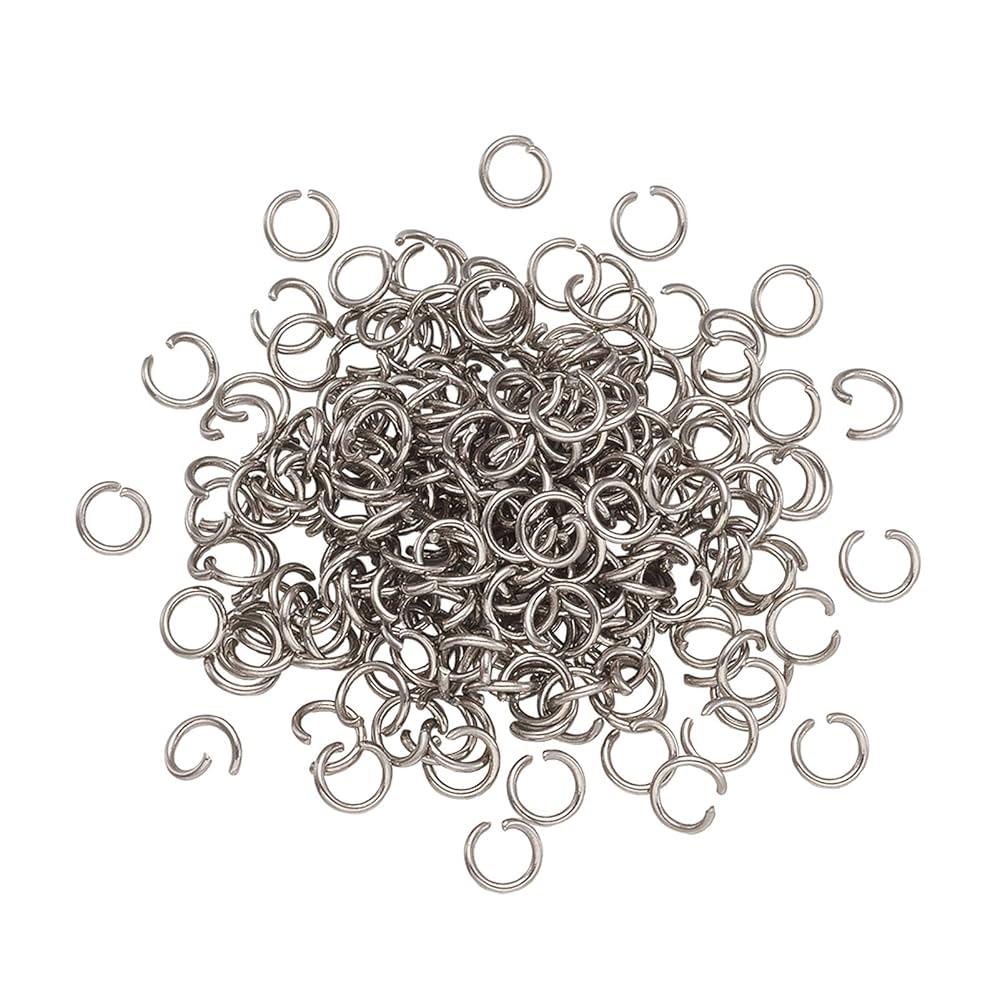
Choosing the correct jump ring size is one of the most important aspects of creating successful chainmaille jewelry. Even the most attractive weave can become difficult to assemble or lose its intended appearance if the rings are not the right size. Stainless steel jump rings are especially popular because they combine strength, durability, and a polished finish, making them suitable for everything from bracelets and necklaces to keychains and decorative accessories.
Whether you're new to chainmaille or looking to refine your techniques, understanding how ring size affects different weaves will help you create stronger, more consistent designs.
Why Ring Size Matters in Chainmaille
Every chainmaille weave is built around a specific relationship between the ring's diameter and wire thickness. If the rings are too small, the weave may be impossible to complete. If they are too large, the finished piece may become loose, unstable, or lose its intended pattern.
Selecting the proper ring size ensures:
- Easier assembly
- Better structural stability
- Improved flexibility
- Consistent pattern formation
- Professional-looking finished jewelry
Understand Ring Measurements
Before selecting stainless steel jump rings, it's important to understand the three primary measurements.
Inside Diameter (ID)
The inside diameter is the distance across the opening of the ring. Most chainmaille patterns specify ring size using the inside diameter because it directly affects how the rings interlock.
Wire Gauge
Wire gauge refers to the thickness of the metal used to make the ring. Thicker wire creates stronger rings, while thinner wire offers greater flexibility and lighter weight.
Outside Diameter (OD)
The outside diameter includes both the inside opening and the wire thickness. While useful for general sizing, chainmaille instructions typically focus on inside diameter and wire gauge.
Learn About Aspect Ratio (AR)
The most important measurement in chainmaille is the Aspect Ratio (AR).
Aspect Ratio is calculated by dividing the inside diameter by the wire diameter.
Different chainmaille weaves require different aspect ratios to maintain their shape and flexibility.
For example:
- Lower AR creates tighter, denser weaves.
- Higher AR creates looser, more flexible patterns.
Many chainmaille tutorials specify the recommended AR for each weave, making it easier to choose compatible rings.
Choose the Right Size for Popular Weaves
Different chainmaille patterns require different ring dimensions.
European 4-in-1
One of the most popular beginner weaves, European 4-in-1 generally works best with a medium aspect ratio that provides flexibility while maintaining a tight pattern.
Byzantine
The Byzantine weave requires rings that allow multiple directional changes while maintaining structure. Consistent sizing is particularly important to achieve the distinctive braided appearance.
Box Chain
Box chain weaves typically require precise ring dimensions to maintain their square profile and smooth movement.
Japanese Weaves
Japanese chainmaille often combines rings of different sizes. Many patterns use larger connecting rings paired with smaller structural rings.
Helm Chain
Helm weave frequently combines two ring sizes to produce its layered appearance, making careful size selection essential.
Always follow the ring specifications recommended by the pattern designer whenever possible.
Match Ring Size to Your Project
The type of jewelry you're making can also influence your ring selection.
For example:
Bracelets
- Medium-sized rings often provide a balance of strength and flexibility.
Necklaces
- Slightly larger rings may create better drape and movement.
Earrings
- Smaller rings can produce lightweight, delicate designs.
Keychains and Accessories
- Larger, thicker rings provide greater durability for everyday use.
Choosing the appropriate size for the finished item's intended use helps improve both appearance and longevity.
Why Stainless Steel Is a Popular Choice
Stainless steel jump rings offer several advantages for chainmaille projects.
Benefits include:
- Excellent strength
- High durability
- Corrosion resistance
- Scratch resistance
- Bright polished appearance
- Low maintenance
- Suitable for everyday wear
Because stainless steel is harder than softer metals such as aluminum or copper, it produces chainmaille pieces that resist bending and maintain their shape over time.
Consider Ring Temper
The temper, or hardness, of a ring affects how it performs during assembly and everyday wear.
Harder stainless steel rings generally:
- Hold their shape well
- Resist deformation
- Create durable finished jewelry
However, they may require stronger pliers and slightly more effort to open and close accurately.
Use High-Quality Jump Rings
Precision is important in chainmaille. Poorly manufactured rings with inconsistent sizes or rough cuts can make assembly more difficult.
Look for jump rings that offer:
- Accurate sizing
- Smooth cut ends
- Consistent wire gauge
- Uniform inside diameter
- Reliable stainless steel material
- Clean surface finish
High-quality rings make it easier to achieve tight closures and attractive finished designs.
Organize Rings by Size
As your collection grows, keeping rings organized saves time during projects.
Helpful storage tips include:
- Label containers by inside diameter.
- Separate rings by wire gauge.
- Store different aspect ratios individually.
- Keep project-specific rings together.
Good organization helps reduce mistakes and speeds up assembly.
Practice Before Starting Complex Weaves
If you're learning a new chainmaille pattern, practice with a small sample before beginning a larger project.
Creating a test section allows you to confirm that the selected ring size produces the desired flexibility, density, and appearance.
If the weave feels too tight or too loose, adjusting the aspect ratio before completing the full project can save time and materials.
Final Thoughts
Selecting the right stainless steel jump rings chainmaille is essential for creating strong, attractive, and well-balanced chainmaille jewelry. Understanding measurements such as inside diameter, wire gauge, and aspect ratio helps ensure that each weave performs as intended.
By choosing high-quality stainless steel jump rings, following the recommended specifications for your chosen weave, and organizing your materials carefully, you can produce chainmaille bracelets, necklaces, earrings, and accessories with a professional finish and long-lasting durability.

 English
 Arabic
 French
 Spanish
 Portuguese
 Deutsch
 Turkish
 Dutch
Dutch
 Russian
 Romaian
 Portuguese (Brazil)
 Greek
Greek
