


Why Are jinglitools Power Drills Becoming Popular for Flexible Workshops?
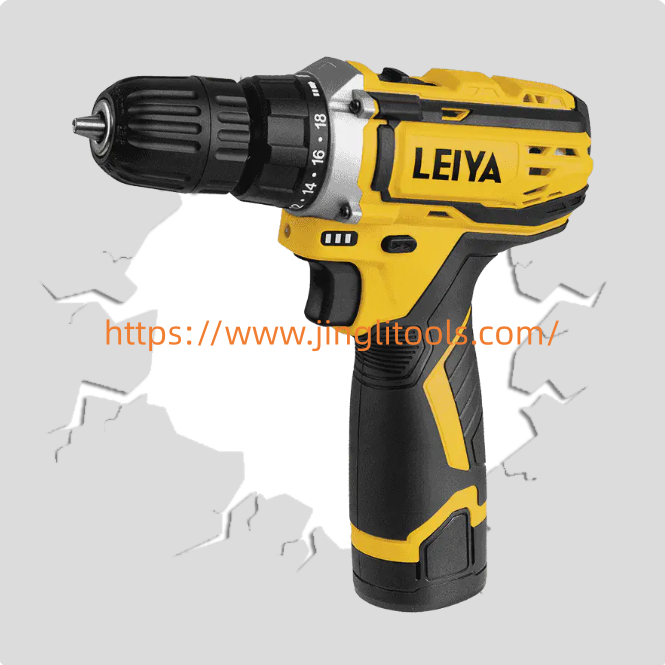
Power Drills are attracting attention in workshops where operators need equipment that can move between different workstations and handle changing applications. A modern workshop may work with wood, metal, plastic, furniture components, vehicles, or construction materials during the same working week. Instead of selecting equipment around one fixed task, buyers can evaluate mobility, torque, speed, battery arrangements, accessories, and handling characteristics according to their actual workflow. This application-based approach can make equipment selection more practical for workshops, distributors, and professional users.
Mobility Can Make Workshop Tasks More Flexible
A fixed workstation may not always be available for every task. Maintenance personnel can move between benches, vehicles, assembly areas, storage zones, and construction locations.
Battery operated configurations can reduce dependence on a nearby electrical connection. This can be useful when workers need to reposition equipment frequently or work in areas where cable management is inconvenient.
However, mobility should be considered together with battery capacity, charging arrangements, expected runtime, and workload. A workshop with frequent daily use may have different requirements from a business handling occasional maintenance.
Different Materials Create Different Requirements
Material selection can influence equipment requirements.
Wood, steel, aluminum, plastic, and composite materials can create different levels of resistance during drilling operations. Hole diameter, accessory design, material thickness, and required speed can also affect the working load.
Buyers should therefore identify the materials they expect to process before choosing a configuration.
For example, a furniture workshop may focus on controlled work with wood, while a maintenance facility may require equipment for mixed materials. Matching specifications with real applications can make the purchasing process clearer.
Torque And Speed Deserve Careful Comparison
Torque and speed are useful specifications, but neither should be considered separately from the intended application.
Higher torque may be useful for tasks involving greater resistance, while speed control can help users adapt operation to different materials and accessories.
Buyers can compare torque ranges, speed settings, chuck specifications, and operating modes based on the work they expect to perform.
A workshop handling several applications may benefit from having configurations suited to different tasks rather than expecting one model to cover every situation.
Battery Compatibility Can Influence Long Term Planning
For businesses building a battery operated equipment collection, battery compatibility can become an important purchasing consideration.
Using compatible batteries and chargers across suitable products may simplify charging arrangements and reduce the number of battery systems that need to be managed.
Before selecting equipment, buyers can check voltage, battery capacity, charger compatibility, expected runtime, and future equipment plans.
This is particularly useful for distributors and professional workshops that expect their equipment collection to expand over time.
Ergonomics Can Affect Daily Handling
Equipment may be used repeatedly throughout a working day, so physical handling deserves attention.
Weight, grip shape, balance, controls, auxiliary handles, and vibration characteristics can affect how operators manage different tasks.
A compact configuration may be convenient for restricted spaces, while a larger design with additional support may provide greater control for demanding applications.
The right choice depends on the operator, task duration, workspace, and material. Buyers should consider actual usage rather than relying only on catalog specifications.
Accessories Can Expand Application Options
Accessories influence how equipment can be used.
Different bits and attachments may be designed for different materials, hole sizes, and applications. Buyers should confirm accessory compatibility before placing an order and consider which accessories will be needed most frequently.
For distributors, accessory availability can also influence product planning. Customers may have different requirements depending on whether they work with furniture, vehicle maintenance, construction, fabrication, or general workshop tasks.
A practical equipment selection should therefore consider the complete application rather than the main unit alone.
Workshop Layout Can Influence Equipment Choice
The physical arrangement of a workshop can affect purchasing decisions.
If operators frequently move between distant workstations, a battery operated configuration may offer practical flexibility. If most work takes place at a fixed bench, a corded configuration may be more appropriate for that environment.
Workspace size, electrical access, storage arrangements, charging locations, and task frequency can all be considered before ordering.
Understanding the workflow can help buyers select equipment that fits naturally into existing work practices.
Maintenance Should Be Part Of The Purchasing Decision
Maintenance requirements can influence long term equipment management.
Users should consider access to replacement components, cleaning requirements, battery care, accessory inspection, and routine service procedures. Keeping equipment clean and following manufacturer maintenance guidance can help support consistent operation.
For distributors and commercial buyers, supplier communication also matters. Clear information about specifications, maintenance, spare components, and product support can make equipment management easier after purchase.
Manufacturers Can Support Different Buyer Requirements
Professional buyers may have requirements that go beyond individual specifications.
Distributors may need several configurations for different customer groups, while project buyers may require particular voltage, accessory, packaging, or branding arrangements.
A manufacturer with multiple product categories can give buyers more options when building a purchasing plan.
jinglitools provides equipment for different workshop and industrial applications, allowing buyers to review product categories according to intended tasks, operating environments, and customer requirements.
Application Based Selection Can Simplify Purchasing
The growing interest in flexible workshop equipment reflects changing working environments. Businesses may need mobility, varied applications, suitable handling, battery compatibility, accessory options, and specifications that correspond with actual workloads.For buyers, the practical approach is to start with the job itself. Consider materials, task frequency, workspace, required output, operating conditions, battery requirements, accessories, and maintenance plans before comparing individual configurations.Businesses interested in reviewing available equipment can visit https://www.jinglitools.com/and compare suitable options according to their intended workshop applications, operating conditions, and purchasing requirements.

 English
 Arabic
 French
 Spanish
 Portuguese
 Turkish
 Dutch
Dutch
 Italiano
 Russian
 Romaian
 Portuguese (Brazil)
 Greek
Greek
