


10 Questions to Ask About Fence Staining Services in Idaho
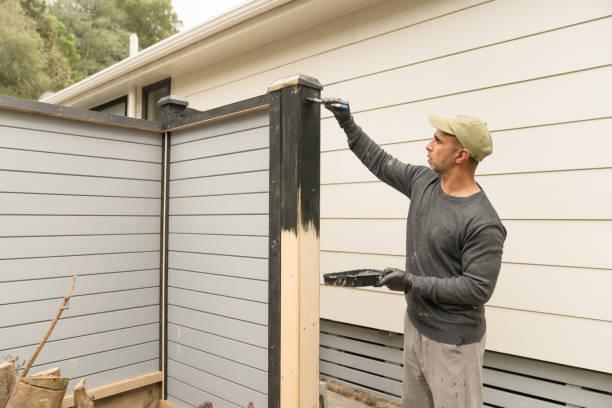
A stained fence can change the appearance of a property while helping exposed wood handle moisture, sunlight, and seasonal temperature changes. However, the result depends heavily on preparation, stain selection, application methods, and local conditions. Property owners comparing Fence Staining Services in Idaho should ask practical questions before approving a project. Idaho's varied climate makes those details especially relevant, since a fence exposed to strong summer sun may face different wear than one exposed to prolonged moisture or snow.
1. What condition is the fence currently in?
Before staining begins, the existing fence needs a condition assessment. New wood, weathered boards, and previously coated fencing require different preparation. Boards with rot, severe cracking, loose fasteners, or structural movement may need repairs before any stain is applied.
A professional assessment can also identify areas where old coatings remain. Staining over poorly prepared surfaces can produce uneven absorption and premature peeling.
2. Does the wood need cleaning first?
Cleaning removes dirt, algae, mildew, oxidation, and remnants of older finishes. The method depends on the wood and its condition.
Pressure washing can remove embedded grime, but excessive pressure can roughen soft wood and leave visible marks. After cleaning, the fence needs enough drying time before staining. Moisture trapped inside the boards can interfere with penetration and produce inconsistent color.
3. Which stain works for the fence?
Stains differ in opacity, pigment, durability, and intended use. Transparent products preserve more of the natural grain, while semi-transparent stains provide stronger color while still allowing wood texture to remain visible. Solid stains create a more uniform appearance and can help cover significant discoloration.
For wood fence maintenance Idaho, stain selection should account for the fence species, previous treatment, sun exposure, and desired maintenance schedule rather than color alone.
4. How much preparation is included?
Preparation can represent a substantial portion of the project. A detailed quote should explain whether it includes cleaning, scraping, light sanding, minor repairs, masking nearby surfaces, and protection of landscaping.
Property owners should also ask how gates, posts, rails, and difficult-to-reach sections will be handled. A low initial price may not represent a lower total cost if essential preparation is excluded.
5. What application method will be used?
Spraying can cover large fence areas efficiently, while brushing or back-rolling can help work stain into the wood grain. Some projects benefit from combining methods.
For larger fence restoration Idaho projects, the application plan should address overspray control, nearby structures, vegetation, and consistent coverage. The chosen method should match the product manufacturer's requirements and the fence's surface condition.
6. How does Idaho weather affect scheduling?
Weather can determine whether staining proceeds successfully. Rain, high humidity, strong wind, and extreme temperatures can affect drying and application.
A contractor should identify suitable weather conditions before scheduling the work. Forecast changes may require postponement. Rushing an application because of a fixed calendar date can create avoidable problems with drying, coverage, or adhesion.
7. How is the project priced?
Fence staining costs can vary according to fence length, height, wood condition, stain type, preparation requirements, accessibility, and the number of coats required. Quotes should identify the measurable basis for pricing.
A useful estimate should make clear whether materials, preparation, labor, cleanup, and minor repairs are included. Comparing estimates becomes easier when each contractor is pricing substantially the same scope.
8. How long will the stain last?
No stain provides a permanent finish. Durability depends on exposure, wood type, product, preparation, application thickness, and weather.
Sun-facing fencing may fade faster than shaded sections. Horizontal surfaces can also receive more direct moisture. Regular inspection can identify fading, dry wood, water absorption, or surface wear before extensive restoration becomes necessary.
9. What protection is provided during application?
Fence staining can affect patios, siding, concrete, vehicles, plants, and neighboring structures if overspray or splatter is not controlled. A project plan should explain how surrounding areas will be protected.
For exterior wood staining Idaho, attention to masking and containment matters when fences sit close to homes, garages, sidewalks, or landscaped areas. Cleanup procedures should also be discussed before work begins.
10. What should happen after the fence is stained?
Maintenance starts after the stain has properly cured. Property owners should know when the fence can be exposed to irrigation, heavy moisture, or routine cleaning.
A maintenance plan may include periodic visual inspections and gentle cleaning when needed. Areas showing early fading or water absorption can be addressed before the entire fence requires another full treatment.
Project Standards Worth Confirming
A clear scope can prevent disagreements later. Before approving the work, the property owner should have written details covering:
-
Surface preparation and cleaning
-
Stain product and finish type
-
Number of coats
-
Repairs included in the price
-
Weather-related scheduling procedures
For Idaho property owners evaluating contractors, Blu Macaw Pro Painting can be assessed against these practical criteria rather than relying solely on a quoted price. A detailed scope gives the property owner a clearer basis for comparing workmanship, materials, and expected maintenance.
A Practical Route to the Right Service
The next step should be a site assessment that considers fence condition, dimensions, wood type, previous coatings, access, and exposure. Property owners should request a written estimate that separates preparation from staining and identifies the products being proposed. That information makes cost comparisons more meaningful and helps prevent unexpected charges during the project.
Common Questions About Fence Staining
How soon can a newly installed fence be stained?
New wood often needs time to dry and acclimate before staining. The appropriate waiting period depends on the wood, moisture content, weather, and the stain manufacturer's requirements.
Can a fence be stained over an existing stain?
Sometimes, but compatibility and surface condition must be checked first. Existing coatings may need cleaning, stripping, sanding, or testing before a new product can be applied.
Does darker stain protect wood better?
Darker products generally contain more pigment, which can improve resistance to ultraviolet exposure, but protection still depends on formulation, preparation, and application.
Can damaged fence boards be stained without replacement?
Minor surface wear may be treatable, but boards affected by significant rot or structural damage generally require repair or replacement before staining.
How should landscaping be protected during staining?
Plants and nearby surfaces should be covered or shielded according to the application method. Irrigation systems may also need temporary adjustment during the project.
When should a stained fence be inspected again?
An inspection can be scheduled after the first significant period of seasonal exposure. An earlier inspection may be appropriate if fading, water absorption, cracking, or coating failure becomes visible.
Fence Care That Fits the Property
A well-planned staining project begins with the condition of the wood rather than a preferred color. Idaho's weather can place different demands on fencing throughout the year, so preparation and product selection deserve careful attention. A property owner who checks these details before work begins is better positioned to avoid premature refinishing and unnecessary repair costs.

 English
 Arabic
 French
 Spanish
 Portuguese
 Deutsch
 Turkish
 Italiano
 Russian
 Romaian
 Portuguese (Brazil)
 Greek
Greek
