


Solar EV Charger: A Smarter Way to Power Your Electric Vehicle
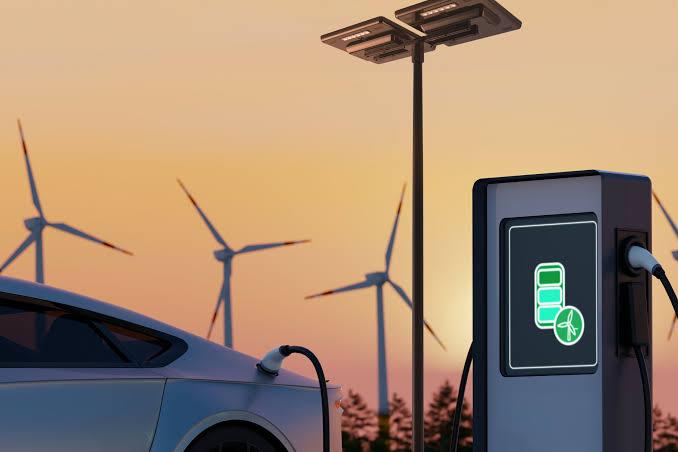
The growing popularity of electric vehicles has created a new demand for convenient, affordable, and sustainable charging solutions. A solar EV charger combines rooftop solar generation with electric vehicle charging, allowing homeowners and businesses to use renewable electricity for transportation. Instead of depending entirely on grid electricity, users can direct available solar power toward charging their vehicles. This approach can increase solar self-consumption while reducing reliance on conventional energy sources. A solar EV charger does not normally connect solar panels directly to the vehicle; rather, the panels generate electricity through a solar power system, while an inverter, electrical protection equipment, and charging unit manage the energy flow. The result is an integrated energy system that can support both household electricity needs and EV charging.
What Is a Solar EV Charger?
A solar EV charger is an electric vehicle charging solution designed to work alongside a solar power system. Solar panels generate electricity during daylight hours, and that electricity can first serve household appliances before surplus energy is directed toward the vehicle. Depending on the system design, the charger may also use grid electricity when solar production is insufficient. Smart charging technology can help adjust the charging rate according to available solar generation, making the system more efficient throughout changing weather and household demand. This makes a solar EV charger particularly useful for people who already have rooftop solar or are planning to install it. The system can transform otherwise exported solar electricity into useful vehicle energy, potentially improving the overall value of a rooftop solar investment.
How Does a Solar EV Charger Work?
The operation of a solar EV charger is relatively straightforward when the components are properly integrated. During daylight, solar panels convert sunlight into electricity. The inverter converts the generated electricity into usable power for the property. Household appliances consume electricity according to their requirements, while a smart charging system can monitor the remaining solar output. When sufficient energy is available, the charger sends power to the EV battery. If solar generation falls because of clouds, shade, or changing household consumption, the system can reduce charging power or supplement it with grid electricity, depending on its configuration. This flexible approach is important because solar production is not constant throughout the day. A smart charger can therefore make better use of available renewable electricity than a charger operating at a fixed power level.
Main Components of a Solar EV Charging System
A complete solar EV charging setup normally contains several connected components rather than a single charger. Rooftop solar panels generate electricity, while the inverter manages the conversion required by the property's electrical system. The EV charger provides controlled electricity to the vehicle, and appropriate circuit protection, cabling, earthing, and monitoring equipment help maintain safe operation. Some installations also include a home battery, which can store excess solar energy for later use. A grid connection can provide additional electricity when solar production is inadequate. The exact combination depends on the vehicle, charging requirements, solar capacity, electrical connection, and household energy consumption. Proper system design is essential because an EV charger can create a substantial electrical load for an extended period.
| Component | Main Function | Importance |
|---|---|---|
| Solar Panels | Generate renewable electricity | Produces energy for the property and EV |
| Solar Inverter | Converts and manages solar electricity | Connects solar generation with electrical loads |
| EV Charger | Supplies controlled power to the vehicle | Charges the EV safely |
| Smart Controller | Adjusts charging according to energy availability | Improves solar utilisation |
| Battery Storage | Stores surplus electricity | Can support charging when solar is unavailable |
| Protection Equipment | Helps protect electrical circuits | Supports safe and reliable operation |
| Grid Connection | Supplies additional electricity | Provides backup when solar output is low |
Benefits of Using a Solar EV Charger
One of the biggest advantages of a solar EV charger is the opportunity to use self-generated electricity instead of purchasing all charging energy from the grid. When the vehicle is charged during periods of strong solar production, more of the property's renewable generation can be consumed on-site. This can also reduce the amount of surplus electricity exported to the grid. Over time, using solar energy for transportation may improve the overall economics of owning an EV, especially for drivers with regular daily travel and suitable rooftop space. Solar charging also supports a cleaner energy strategy because electricity generated from sunlight can replace some electricity that would otherwise come from conventional sources. Research has also identified the convenience and potentially lower charging cost of home charging combined with rooftop solar as important motivations for EV adoption.
Key advantages include:
- Greater use of self-generated solar electricity.
- Potential reduction in grid electricity purchases.
- Convenient home charging.
- Better utilisation of surplus daytime solar power.
- Support for renewable-energy goals.
- Potentially lower long-term vehicle energy costs.
- Integration with home energy management systems.
Solar EV Charger and Home Energy Management
A modern solar EV charger can become part of a wider home energy management strategy. Instead of treating the car as a separate electrical load, homeowners can coordinate vehicle charging with appliances, solar production, and battery storage. For example, the charger can operate more aggressively when solar generation is high and reduce its output when household electricity demand increases. This approach can help prevent unnecessary grid consumption while making better use of renewable energy. Smart charging is particularly valuable because a household rarely produces exactly the same amount of solar energy throughout the day. A flexible charger can respond to those changes rather than operating continuously at maximum power. This makes the charging process more adaptable and can help homeowners achieve greater control over their electricity usage.
Choosing the Right Charging Capacity
The required charger capacity depends on the EV, battery size, daily driving distance, available solar generation, and electrical supply. Home charging options can range from lower-power charging to faster systems capable of several kilowatts. A larger charger can reduce charging time, but it also creates a larger electrical demand. Therefore, choosing the highest-rated charger is not always the best decision. If a home has limited solar capacity, a charger that adjusts its output according to solar production may be more practical than a high-powered unit operating at maximum capacity. The available electrical connection should also be assessed before installation. In some circumstances, a higher-power charger may require an upgraded electrical supply or additional infrastructure.
How Much Solar Power Is Needed?
There is no single solar capacity that suits every EV owner. The correct size depends mainly on driving habits and electricity consumption. Someone who drives a short distance each day may need considerably less energy than someone who travels long distances regularly. The size of the EV battery also matters, but the daily energy requirement is often more useful when planning a solar system. A property with existing household electricity demand may benefit from sizing solar to cover both home consumption and EV charging rather than designing a system exclusively for the vehicle. Solar production also varies according to location, season, roof orientation, shading, and weather. Therefore, a professional assessment should consider annual energy use instead of relying only on a simple panel-count calculation.
Solar Charging During the Day
Daytime charging is one of the most effective ways to use solar electricity directly. When solar panels are producing strongly, a smart solar EV charger can direct available surplus power toward the vehicle. This can reduce the need to export excess electricity and later purchase electricity from the grid. However, many EV owners use their vehicles during the daytime, which means the car may not always be available when solar production is highest. In that situation, a home battery or grid-connected arrangement can provide additional flexibility. Scheduling charging around the user's daily routine can also improve solar utilisation. The best solution is therefore not simply to install more panels, but to coordinate generation, vehicle availability, household demand, and charging times effectively.
Solar EV Charger With Battery Storage
Adding a battery can provide another layer of flexibility. Instead of sending all unused daytime solar electricity to the grid, the system can store some of that energy for later use. The stored electricity can then support EV charging when the sun is no longer available. Battery storage can be particularly useful for drivers who return home in the evening and normally charge overnight. However, adding a battery increases the system's upfront cost and introduces another component that must be correctly sized and managed. For some homes, direct daytime solar charging or grid-connected solar may provide better value. For others, battery storage can provide useful energy independence and backup capability. The decision should therefore be based on actual energy consumption, charging habits, electricity tariffs, and the desired level of backup power.
Installation and Safety Considerations
Electrical safety should be a major priority when installing a solar EV charger. EV charging involves a sustained electrical load, so the charger should have an appropriately designed dedicated circuit and suitable protection. Wiring, circuit breakers, earthing, connectors, and other electrical components should be selected according to the installation requirements. The solar inverter and charging equipment also need to be compatible with the property's electrical configuration. Before installation, the available supply capacity should be checked to determine whether it can support the proposed charger alongside normal household loads. Professional installation is strongly recommended because incorrect wiring or inadequate protection can create overheating, equipment damage, nuisance tripping, or serious electrical hazards.
Important installation checks include:
- Confirm the property's available electrical capacity.
- Select a charger appropriate for the EV.
- Use suitable cabling and circuit protection.
- Ensure proper earthing and electrical safety.
- Check compatibility between the charger and solar inverter.
- Consider smart charging for variable solar production.
- Review local electrical and utility requirements.
- Allow qualified professionals to complete the installation.
Cost and Long-Term Value
The cost of a solar EV charger system varies considerably because the project may involve only a charger or a complete solar, battery, and charging installation. Existing solar owners may only need a compatible EV charger, appropriate wiring, and electrical protection. A new installation may require solar panels, an inverter, mounting equipment, a charger, and potentially battery storage. The total investment therefore depends on the size and complexity of the system. Rather than comparing systems only by their purchase price, homeowners should consider expected solar generation, charging requirements, electricity costs, equipment quality, maintenance, and expected service life. A well-designed system can provide value over many years by helping reduce purchased electricity for both household use and transportation.
Is a Solar EV Charger Worth It?
For many EV owners with suitable roof space and regular driving requirements, a solar EV charger can be a worthwhile investment. The strongest case usually exists when the property already has solar, the vehicle is available during sunny hours, and the owner intends to remain in the property for several years. Homes with high electricity consumption may also benefit because an EV can increase the amount of solar energy consumed on-site. However, not every property needs a dedicated solar-only charging system. Some owners may find a standard smart charger combined with an existing rooftop solar system is sufficient. The most suitable solution depends on individual energy patterns rather than a one-size-fits-all approach.
Future of Solar EV Charging
The relationship between renewable energy and electric transportation is likely to become increasingly integrated. Future charging systems are expected to provide more intelligent control over when and how vehicles receive electricity. Instead of simply delivering power whenever a car is plugged in, smart systems can respond to solar generation, household consumption, electricity prices, and battery conditions. Vehicle-to-home and vehicle-to-grid technologies may eventually provide additional opportunities for EV batteries to support homes or wider electricity networks, where compatible vehicles, chargers, regulations, and grid arrangements are available. This could turn an EV from a simple electricity consumer into part of a flexible energy system. Solar generation combined with intelligent charging therefore has the potential to play an important role in the transition toward cleaner transportation and more flexible energy use.
Conclusion
A solar EV charger offers a practical way to connect electric transportation with renewable household energy. By combining solar panels, an appropriate inverter, smart charging controls, and a properly designed electrical installation, EV owners can make greater use of their own solar generation. The benefits can include improved solar self-consumption, lower reliance on grid electricity, convenient home charging, and a more sustainable approach to vehicle ownership. The ideal system depends on the EV, daily driving pattern, solar capacity, electrical supply, roof conditions, and budget. Battery storage can provide additional flexibility, while smart charging can help match vehicle charging with available solar production. With careful planning and professional installation, a solar EV charger can become a valuable part of a modern home energy system and support more efficient, renewable-powered transportation.
Location:- Perth , Western Australia

 English
 Arabic
 French
 Spanish
 Portuguese
 Deutsch
 Turkish
 Dutch
Dutch
 Russian
 Romaian
 Portuguese (Brazil)
 Greek
Greek
