


Ant Control in NYC: Effective Ways to Protect Your Staten Island Property
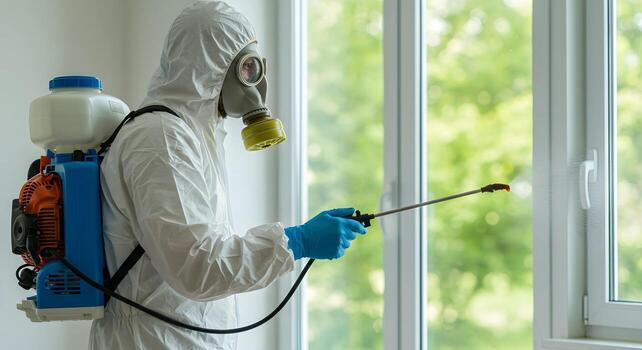
Ants may be small, but an infestation can quickly become a frustrating problem for homeowners and businesses across New York City. Kitchens, bathrooms, basements, walls, patios, and entryways can all provide ants with access to food, moisture, and shelter. For property owners near 33 Uxbridge St, Staten Island, NY 10314, professional ant control nyc services can help identify the source of an infestation and address it before the problem becomes more difficult to manage. Metropolitan Pest Services provides professional pest control solutions designed to protect residential and commercial properties from ants and other common pests.
Why Ants Are a Common Problem in New York City
Ants are highly adaptable insects that can enter buildings through very small gaps. Cracks around foundations, spaces beneath doors, window frames, plumbing openings, utility lines, and damaged areas of walls can all become entry points. Once ants discover a dependable source of food or water, they can establish regular trails between the colony and the property.
New York City properties can be particularly vulnerable because buildings are often close together, and homes and businesses may share walls, foundations, landscaping, or utility spaces. Moisture around plumbing, kitchens, bathrooms, basements, and exterior areas can also create favorable conditions for ant activity.
A few ants inside the home do not always mean there is a large infestation. However, repeated sightings, long trails, ants appearing in multiple rooms, or increasing activity are signs that the problem deserves closer attention.
Common Ant Species Found Around NYC Properties
Different ant species behave differently, so identifying the type of ant is an important part of effective treatment. Pavement ants, odorous house ants, and carpenter ants are among the common ants encountered in New York City properties. Pharaoh ants may also become a problem in some buildings, particularly multi-unit properties.
Pavement ants are small, dark-colored ants that commonly nest beneath pavement, concrete, foundations, and other protected outdoor areas. They may enter buildings while searching for food.
Odorous house ants can create noticeable trails inside kitchens, bathrooms, and other areas where food and moisture are available. Their colonies may be located outdoors or within structural spaces.
Carpenter ants require special attention because they can establish nests in damp or damaged wood. They do not consume wood like termites, but their nesting activity can create galleries inside wood and may contribute to structural concerns when conditions allow.
Understanding the species helps pest professionals select an appropriate treatment strategy instead of relying on a general spray that may only kill the visible workers.
Signs You May Have an Ant Infestation
One of the most obvious signs of an ant problem is seeing ants repeatedly inside your property. A single ant may simply be a scout, but regular trails indicate that ants have discovered something valuable and are communicating with other members of the colony.
Look for lines of ants near kitchen counters, sinks, cabinets, garbage areas, windows, doors, and baseboards. You may also notice ants around pet food, food storage areas, sweet products, grease, or water sources.
Other warning signs include ants appearing from wall cracks, small piles of soil near exterior foundations, winged ants around windows or indoor lights, or carpenter ants and sawdust-like material near wooden structures.
When activity continues after cleaning or basic household treatment, the colony may be located somewhere that is not easily accessible. This is when professional inspection becomes especially useful.
Why Killing Visible Ants Is Not Always Enough
A common mistake is to focus only on the ants that are visible. Spraying or killing individual workers can temporarily reduce activity, but it does not necessarily eliminate the colony.
Ant colonies can remain hidden under floors, inside walls, beneath concrete, around foundations, or in outdoor landscaping. Worker ants may travel considerable distances while searching for food and water, which means the location where you see ants is not always the location of the colony.
Effective treatment focuses on understanding how the ants are entering the property, where they are traveling, what is attracting them, and where the colony may be located. This approach is more useful for reducing recurring activity than simply treating visible ants.
How Professional Ant Treatment Works
Professional treatment generally begins with a detailed inspection. A technician examines areas where ants are active and looks for possible entry points, moisture sources, nesting locations, and conditions that may be encouraging the infestation.
The treatment approach depends on the species, location, severity, and property type. Targeted baiting can be useful because worker ants may carry bait back toward the colony. Perimeter treatments may also help reduce exterior activity and prevent ants from entering through common access points.
Interior treatment may focus on cracks, crevices, wall openings, entry areas, and other locations where ants are traveling. Exterior treatment can address areas around foundations, landscaping, walkways, and potential nesting sites.
Professional pest control for ant infestations should also include prevention advice. Removing food sources, correcting moisture problems, improving sanitation, and sealing accessible entry points can make the property less attractive to ants.
Protecting Kitchens and Food Storage Areas
Kitchens are among the most attractive areas for ants because they provide easy access to food and water. Even small amounts of sugar, crumbs, grease, spilled drinks, and food residue can attract foraging ants.
Food should be stored in tightly sealed containers, particularly sweet products and dry goods. Counters should be cleaned regularly, and spills should be addressed quickly. Garbage should be kept in covered containers and removed regularly.
Pet food can also attract ants. Avoid leaving food bowls filled for long periods, especially in areas where ant activity has already been observed.
These steps do not replace professional treatment when an infestation is established, but they can support a broader prevention strategy.
Moisture Management Can Help Prevent Ant Activity
Water is another important factor that can attract ants. Leaking pipes, dripping faucets, condensation, damp basements, clogged gutters, and poor drainage can create conditions that support pest activity.
Inspect areas beneath sinks, around toilets, near appliances, and around basement plumbing. Outdoor drainage should also be checked so water does not remain close to the foundation.
If carpenter ants are present, moisture deserves particular attention because these ants often take advantage of damp or compromised wood. Fixing the underlying moisture issue can be an important part of preventing future activity.
Ant Prevention for Staten Island Homes
Staten Island homeowners can take several practical steps to reduce the chance of recurring ant problems. Begin by checking the exterior of the property for cracks, gaps, damaged screens, and openings around doors and windows.
Keep vegetation and excessive mulch from directly touching the building where possible. Remove debris that can provide protected nesting areas near foundations. Keep outdoor food waste properly contained and clean up spills around patios and outdoor eating areas.
Inside the property, maintain clean food preparation areas and inspect rooms where ants have previously appeared. Regular inspection is particularly helpful during periods of increased pest activity.
For homes with repeated infestations, scheduled pest management may provide a more reliable long-term solution than treating each new trail separately.
Ant Control for Apartments and Multi-Unit Buildings
Ant problems can be more complicated in apartments because ants may move between rooms or units through wall voids, plumbing routes, cracks, and shared structural spaces.
If one apartment receives treatment while an underlying source remains active elsewhere, the problem may return. Building managers and property owners should therefore consider the wider structure when dealing with recurring infestations.
Professional inspection can help identify whether activity is isolated to one area or associated with a larger building issue. Coordinated pest management can be particularly useful for multi-unit properties, offices, restaurants, and other commercial locations.
Commercial Properties Need a Preventive Approach
Restaurants, food businesses, offices, retail stores, warehouses, and other commercial properties have additional reasons to take ant activity seriously. Ants around food preparation or storage areas can create sanitation concerns and negatively affect customer confidence.
A professional pest management plan can combine inspection, targeted treatment, monitoring, sanitation recommendations, and prevention measures. Regular inspections can also help identify pest activity before it develops into a larger infestation.
Metropolitan Pest Services provides pest control solutions for both residential and commercial properties throughout NYC, including Staten Island. The company lists ant extermination among its pest management services and operates from 33 Uxbridge Street, Staten Island, NY 10314.
Why Choose Metropolitan Pest Services for Ant Problems
Choosing the right pest control company is important because effective ant treatment requires more than simply spraying visible insects. A professional team can investigate the conditions contributing to the infestation and develop a treatment approach based on the property and pest activity.
Metropolitan Pest Services provides pest control services for homeowners and businesses across New York City, including Staten Island. Its service range includes ants as well as other common pests such as cockroaches, rodents, bed bugs, termites, and mosquitoes.
The company focuses on professional pest management and provides service from its Staten Island location at 33 Uxbridge Street. For property owners dealing with recurring ant activity, an inspection can help determine the most appropriate next step.
When Should You Call a Professional?
Professional help is recommended when ants continue appearing after cleaning and basic prevention efforts. You should also consider an inspection if ants are appearing in several rooms, returning frequently, coming from walls or structural openings, or appearing in large numbers.
Large black ants deserve particular attention because they may be carpenter ants. If winged insects are appearing indoors, professional identification can also help distinguish ants from other pests that may look similar.
The earlier an infestation is addressed, the easier it can be to identify potential entry points and contributing conditions. Waiting until ant activity becomes widespread can make treatment more complicated.
Long-Term Ant Prevention
Effective ant management does not end when visible activity disappears. Prevention is important because properties can remain vulnerable to future invasions.
Keep food sealed, clean spills quickly, control moisture, repair leaks, inspect doors and windows, and seal accessible cracks. Exterior areas should also be kept clean and free of unnecessary debris.
Routine professional inspections can provide another layer of protection, particularly for properties that have experienced repeated infestations. A preventive approach allows potential pest issues to be identified before they become major problems.
For Staten Island homeowners and businesses, working with a professional pest control provider can make it easier to maintain a cleaner, more comfortable, and better protected property throughout the year.
Frequently Asked Questions
What is the best way to control ants in NYC?
Professional inspection, targeted treatment, sanitation, and sealing entry points provide a comprehensive approach.
Why do ants keep coming back after I spray them?
Spraying visible ants may not eliminate the hidden colony responsible for continued activity.
Are carpenter ants dangerous to a house?
Carpenter ants do not eat wood, but nesting inside damp or damaged wood can cause structural concerns over time.
How can I prevent ants from entering my Staten Island home?
Keep food sealed, control moisture, clean regularly, and seal cracks and accessible entry points.
Can ants enter through small cracks?
Yes, ants can use very small gaps around foundations, windows, doors, plumbing, and utility openings.
When should I contact Metropolitan Pest Services?
Contact a professional when ant activity is recurring, widespread, or continues despite basic prevention efforts.
Conclusion
Ant infestations can become persistent when the underlying colony, entry points, food sources, and moisture conditions are not addressed. Whether you are dealing with ants in a Staten Island kitchen, basement, apartment, office, restaurant, or commercial property, professional pest management can provide a more complete solution than treating visible insects alone.
Metropolitan Pest Services provides pest control services for properties in Staten Island and throughout NYC. With professional inspection, targeted treatment, and practical prevention measures, property owners can take meaningful steps toward reducing ant activity and protecting their homes or businesses from recurring pest problems.

 English
 Arabic
 French
 Spanish
 Portuguese
 Deutsch
 Turkish
 Dutch
Dutch
 Italiano
 Russian
 Romaian
 Portuguese (Brazil)
