


Automatic Transmission Oil: A Complete Guide to Smooth Gear Shifting
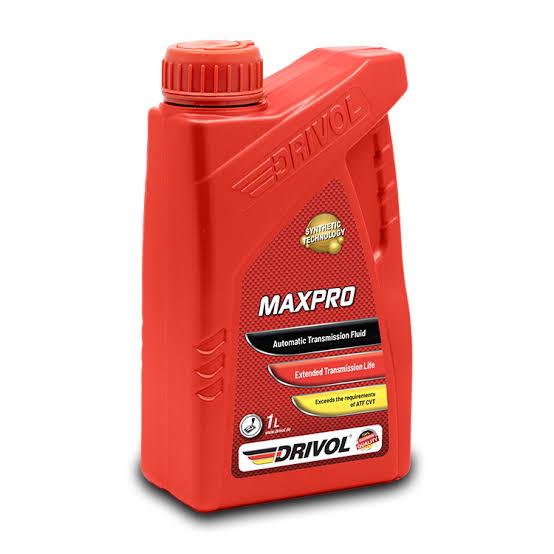
Automatic Transmission Oil: Why It Matters for Your Vehicle
Automatic vehicles have become increasingly popular because they offer convenient and smooth driving without requiring the driver to manually operate a clutch and gear lever. Behind this convenience is a complex transmission system that relies on the right fluid to function effectively.
Automatic transmission oil, more accurately known as automatic transmission fluid (ATF), performs several important functions inside an automatic transmission. It helps transfer hydraulic pressure, lubricate components, manage heat and support smooth gear changes.
Unlike conventional engine oil, automatic transmission fluid is specially formulated for the operating requirements of automatic transmissions. Using the correct ATF specification is therefore an important part of vehicle maintenance.
With Drivol, vehicle owners and workshops can consider automotive fluid solutions designed for specific lubrication and transmission applications.
What Is Automatic Transmission Oil?
Automatic transmission oil is a specialized fluid used in automatic transmissions to support lubrication, hydraulic operation, cooling and gear-shifting functions.
Although the term "transmission oil" is commonly used, automatic transmissions generally use fluids with specific formulations and performance requirements.
Inside an automatic transmission, the fluid comes into contact with gears, bearings, clutches, seals, valves and other components. It must therefore perform several functions simultaneously.
A suitable ATF can help:
-
Lubricate transmission components
-
Transfer hydraulic pressure
-
Support automatic gear shifting
-
Carry heat away from transmission components
-
Reduce friction
-
Help protect transmission components
-
Maintain appropriate friction characteristics for clutch operation
The correct fluid depends on the vehicle and transmission design.
How Does Automatic Transmission Fluid Work?
Automatic transmissions rely on hydraulic pressure and electronically or mechanically controlled components to select gears.
The transmission fluid plays an important role throughout this process.
When the vehicle is operating, the transmission pump circulates ATF through different parts of the transmission. The fluid reaches hydraulic circuits and transmission components that control gear engagement.
The process involves several functions:
Hydraulic Power
ATF helps transmit hydraulic pressure to operate components responsible for gear selection and clutch engagement.
Lubrication
The fluid helps reduce friction between compatible moving components.
Heat Transfer
Automatic transmissions generate heat during operation. ATF helps carry heat away from internal components toward the transmission cooling system.
Friction Control
Automatic transmissions use clutch packs and other friction elements. The fluid's friction characteristics are important for controlled engagement and smooth shifting.
This combination makes automatic transmission fluid very different from conventional engine oil.
Why Is Automatic Transmission Oil Important?
An automatic transmission contains numerous precision components that need to work together under varying loads and temperatures.
The condition and specification of the transmission fluid can therefore have an important role in transmission operation.
Proper ATF can support:
-
Smooth gear changes
-
Effective hydraulic operation
-
Component lubrication
-
Heat management
-
Clutch engagement
-
Transmission cleanliness
-
Reduced friction and wear
However, fluid alone cannot correct mechanical problems. Transmission maintenance should include inspection of the complete system.
Automatic Transmission Oil vs Engine Oil
A common mistake among vehicle owners is assuming that transmission oil and engine oil are interchangeable.
They are not.
|
Feature |
Automatic Transmission Fluid |
Engine Oil |
|
Main application |
Automatic transmission |
Engine |
|
Primary functions |
Hydraulic operation, lubrication, cooling and friction control |
Lubrication, cleaning and engine protection |
|
Friction requirements |
Transmission-specific |
Engine-specific |
|
Additive formulation |
Designed for transmission systems |
Designed for engine systems |
|
Interchangeable? |
No |
No |
Using the wrong fluid can result in poor performance or damage to components.
Always check the vehicle manufacturer's recommended specification before adding or replacing transmission fluid.
Different Types of Automatic Transmission Fluid
Not every automatic transmission uses the same fluid.
Conventional Automatic Transmission Fluid
Traditional automatic transmissions may require specific ATF formulations designed around the transmission manufacturer's requirements.
CVT Fluid
Continuously variable transmissions use specially formulated CVT fluid. CVT fluid should not automatically be replaced with conventional ATF.
DCT Fluid
Dual-clutch transmissions may require dedicated fluids designed for their particular clutch and transmission configuration.
Manufacturer-Specific Fluids
Some transmissions require fluids meeting specific manufacturer or proprietary specifications.
This is why simply choosing a product labeled "automatic transmission oil" is not enough. The exact specification must match the transmission.
What Happens If the Wrong Transmission Oil Is Used?
Using an incorrect transmission fluid can affect the way the transmission operates.
Potential issues may include:
-
Harsh gear shifts
-
Delayed engagement
-
Slipping
-
Abnormal transmission noise
-
Poor hydraulic operation
-
Excessive heat
-
Accelerated wear
The exact consequences depend on the transmission and the fluid used.
For this reason, vehicle owners should always verify the required ATF specification before servicing the transmission.
Signs Your Automatic Transmission Oil May Need Attention
Transmission problems can have many causes, but changes in vehicle behavior should not be ignored.
Delayed Gear Engagement
A noticeable delay when shifting from Park to Drive or Reverse may indicate a transmission-related issue.
Harsh Shifting
Unexpectedly hard or abrupt gear changes can be a sign that the transmission requires inspection.
Transmission Slipping
If engine speed increases without a corresponding increase in vehicle speed, the transmission may require professional diagnosis.
Unusual Noise
Grinding, whining or other abnormal sounds can indicate a transmission problem.
Fluid Leakage
Visible transmission fluid leakage should be investigated promptly.
Burning Smell
An unusual burnt smell may indicate excessive transmission-fluid temperature or another transmission issue.
These symptoms do not necessarily mean the fluid itself is responsible. A professional inspection is recommended when transmission behavior changes.
When Should Automatic Transmission Oil Be Changed?
There is no single transmission-fluid replacement interval that applies to every vehicle.
The appropriate service interval depends on:
-
Transmission design
-
Vehicle manufacturer
-
ATF specification
-
Driving conditions
-
Vehicle age
-
Operating temperature
-
Towing or heavy-load use
-
Manufacturer maintenance schedule
Some vehicles have specified fluid-change intervals, while others may use longer-life fluids.
The safest approach is to follow the vehicle manufacturer's service recommendations.
How to Choose the Right Automatic Transmission Oil
Choosing the correct automatic transmission oil requires more than selecting a well-known brand.
Check the Owner's Manual
The owner's manual should identify the required transmission-fluid specification.
Identify the Transmission Type
Determine whether the vehicle has a conventional automatic transmission, CVT, DCT or another transmission design.
Verify the Fluid Specification
Check the exact manufacturer specification rather than relying only on general terms such as ATF.
Consider the Operating Environment
Heavy traffic, frequent towing, high temperatures and demanding driving conditions can place additional thermal demands on a transmission.
Use a Reliable Product
Choose a transmission fluid from a manufacturer that provides clear technical specifications and application information.
Automatic Transmission Oil and Heat Management
Heat is one of the major operating challenges for automatic transmissions.
Transmission components generate heat through friction and hydraulic operation. The transmission fluid helps transfer this heat toward the transmission cooling system.
Excessive heat can affect fluid properties and transmission components.
Maintaining the correct fluid level and using the specified fluid can therefore contribute to proper transmission operation.
However, overheating can also be caused by problems with the transmission cooler, cooling system or other components. Regular maintenance is important.
Automatic Transmission Oil for City Driving
Stop-and-go traffic can involve frequent acceleration, braking and gear changes.
This type of driving may place additional demands on the transmission because the system repeatedly changes operating conditions.
Drivers who primarily operate vehicles in congested urban environments should follow the manufacturer's recommended transmission maintenance schedule and pay attention to changes in shifting behavior.
Automatic Transmission Oil for Long-Distance Driving
Long-distance driving can place the transmission under continuous operating conditions.
Before a long trip, vehicle owners can consider checking:
-
Transmission-fluid level, where applicable
-
Fluid leakage
-
Transmission temperature warnings
-
Gear-shifting behavior
-
Service history
Any unusual transmission symptoms should be investigated before undertaking a long journey.
Common Automatic Transmission Oil Mistakes
Using Engine Oil Instead of ATF
Engine oil is not a substitute for automatic transmission fluid.
Choosing ATF by Color
Fluid color is not enough to determine compatibility.
Ignoring the Required Specification
Two fluids can both be labeled ATF while having different performance requirements.
Mixing Different Fluids Without Verification
Fluids should not be mixed unless compatibility is confirmed.
Overfilling the Transmission
More fluid does not necessarily mean better protection. The fluid level should be maintained according to the manufacturer's procedure.
Delaying Transmission Maintenance
Unusual shifting, leaks or noises should be investigated rather than ignored.
Does Automatic Transmission Oil Improve Gear Shifting?
The correct ATF helps the transmission operate according to its intended design.
A suitable fluid provides the hydraulic and friction characteristics required for clutch engagement and gear changes.
However, changing transmission fluid should not be viewed as a guaranteed solution for an already damaged transmission.
If a vehicle has serious shifting problems, professional diagnosis should be carried out before assuming that a fluid change will solve the problem.
Drivol Automatic Transmission Oil
Drivol is an automotive lubricant brand providing fluid and lubricant solutions for different vehicle applications.
For automatic transmission applications, the appropriate Drivol product should be selected based on the transmission manufacturer's required specification.
Before purchasing or replacing automatic transmission oil, vehicle owners, workshops and distributors should verify:
-
Transmission type
-
Required fluid specification
-
Vehicle manufacturer requirements
-
Application suitability
-
Recommended service procedure
Selecting the correct product rather than simply choosing a generic ATF is essential for transmission compatibility.
Automatic Transmission Oil Maintenance Tips
A few simple practices can help support transmission health.
Follow the Manufacturer's Schedule
Use the recommended inspection and replacement intervals.
Check for Leaks
Transmission fluid should remain inside the transmission system. Visible leakage requires investigation.
Monitor Shifting Behavior
Pay attention to changes such as delayed engagement, slipping or harsh shifts.
Use the Correct Fluid
Always confirm the required specification before servicing.
Avoid Contamination
Keep the transmission system and service equipment clean.
Use Proper Service Procedures
Transmission-fluid replacement should follow the manufacturer's specified procedure, particularly where fluid level checks require specific temperature or operating conditions.
Conclusion
Automatic transmission oil, or automatic transmission fluid, is an essential component of an automatic gearbox. It does much more than lubricate internal parts: it supports hydraulic operation, manages heat and provides the friction characteristics required for controlled gear engagement.
Because automatic transmissions differ significantly in design, there is no universal ATF suitable for every vehicle. The correct fluid should always be selected according to the manufacturer's specification and transmission type.
Regular servicing, checking for leaks and responding to changes in shifting behavior can help support long-term transmission performance. With the right product specification and maintenance approach, Drivol can be part of an effective automotive fluid maintenance program.
Frequently Asked Questions About Automatic Transmission Oil
What is automatic transmission oil?
Automatic transmission oil, commonly called automatic transmission fluid or ATF, is a specialized fluid used to lubricate, cool and hydraulically operate automatic transmissions.
Is automatic transmission oil the same as gear oil?
No. Automatic transmission fluid and gear oil have different formulations and performance requirements. They should only be used in applications specified by the manufacturer.
How often should automatic transmission oil be changed?
The service interval varies by vehicle, transmission type and manufacturer. Always follow the vehicle manufacturer's maintenance schedule.
Can I use any ATF in my automatic car?
No. Different automatic transmissions require different fluid specifications. Always use an ATF that meets the specification specified by the vehicle or transmission manufacturer.
Is CVT fluid the same as automatic transmission fluid?
No. CVT fluid is specifically formulated for continuously variable transmissions and should not automatically be substituted with conventional ATF.
What are the signs of low transmission oil?
Potential signs include delayed gear engagement, abnormal shifting, transmission noise or fluid leakage. Some vehicles may also provide a transmission warning indicator.
Can low ATF cause gear-shifting problems?
Low fluid levels can affect hydraulic operation and may contribute to shifting problems. If the fluid level is low, the cause should be investigated because leakage or another issue may be responsible.
Can automatic transmission oil prevent transmission wear?
The correct ATF helps lubricate and protect compatible transmission components and supports the transmission's intended operating conditions. However, proper maintenance and driving practices are also important.
Can automatic transmission oil be mixed?
Different ATF products should not be mixed unless compatibility and specification requirements have been confirmed by the relevant manufacturer.
Does Drivol offer automatic transmission oil?
Drivol provides automotive lubricant and fluid solutions. For a specific Drivol ATF product, customers should check the product's technical specifications and confirm that it meets the transmission manufacturer's required specification.

 English
 Arabic
 French
 Portuguese
 Deutsch
 Turkish
 Dutch
Dutch
 Italiano
 Russian
 Romaian
 Portuguese (Brazil)
 Greek
Greek
