


Alaknanda River: The Sacred Flow Through Badrinath
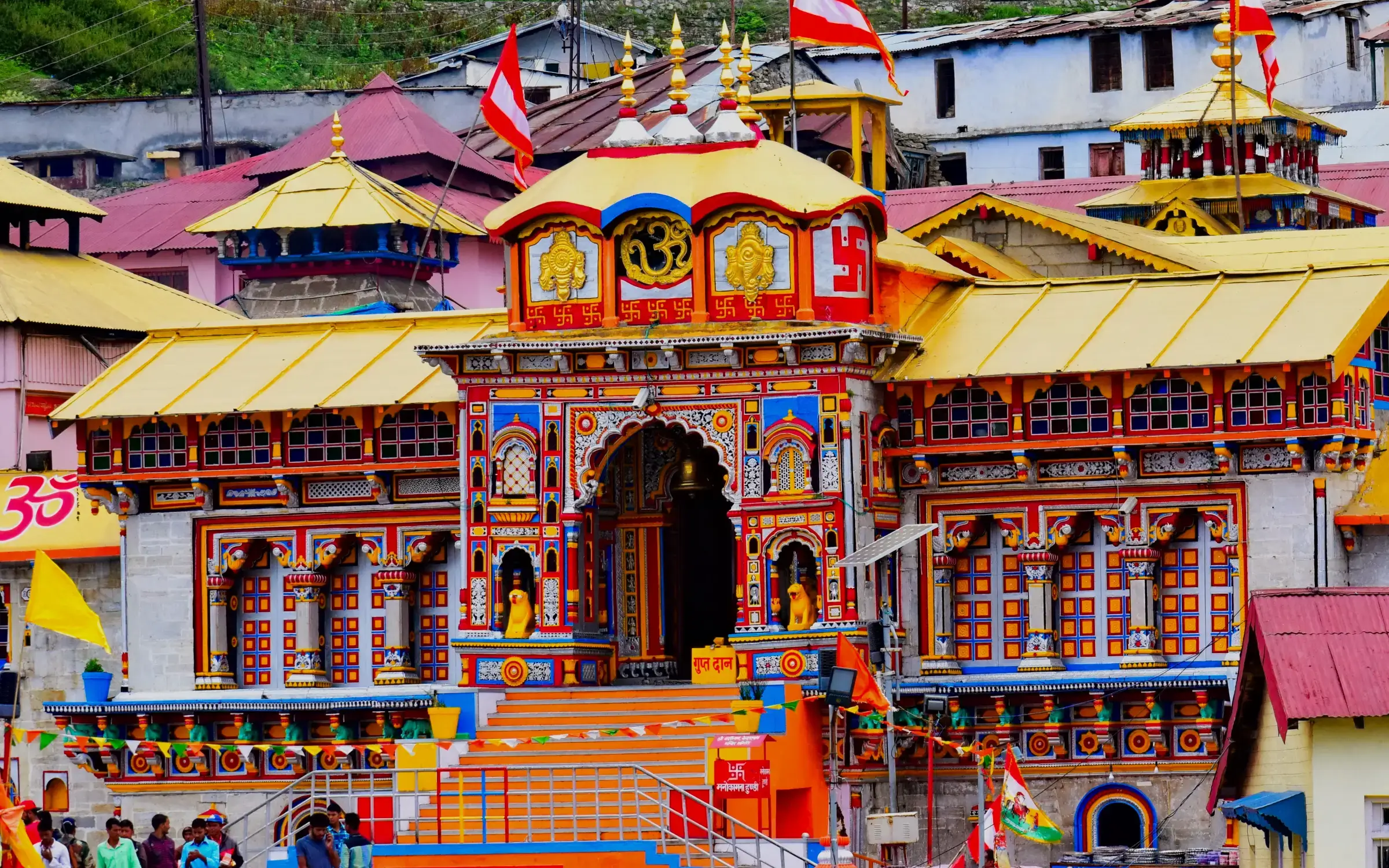
There are rivers in India that are considered sacred in a cultural or historical sense and then there are rivers that are understood in Hindu tradition to be divine beings in their own right. The alaknanda river falls firmly into the second category. One of the two primary tributaries of the Ganga, the alaknanda river flows through some of the most sacred and visually extraordinary landscape in the Garhwal Himalayas of Uttarakhand, passing directly through the town of Badrinath before descending through a series of holy confluences to eventually become part of the Ganga near Devprayag. For anyone visiting Badrinath or traveling the pilgrimage routes of northern India, understanding the alaknanda river adds a layer of meaning to the journey that makes every kilometer of the route feel connected to something much larger than ordinary geography.
Why the Alaknanda River Holds Such Deep Religious Significance
The alaknanda river holds deep religious significance in Hindu tradition for several interconnected reasons. It is one of the two main headwaters of the Ganga, which is itself considered the most sacred river in Hinduism and understood as the physical manifestation of the goddess Ganga on earth. The alaknanda river originates near the glaciers above Badrinath, giving it the highest and most spiritually elevated source of any of the Ganga's tributaries in the Hindu sacred geography. It flows past several of the most important pilgrimage sites in the Garhwal region including Badrinath itself, Joshimath, and the five sacred confluences known as the Panch Prayag. The water of the alaknanda river, like that of the Ganga itself, is considered purifying and sacred, which is why pilgrims gather at its ghats for ritual bathing at multiple points along its course.
Where the Alaknanda River Originates and Where It Flows
The alaknanda river originates from the Satopanth and Bhagirathi Kharak glaciers at an elevation of approximately 14,000 to 15,000 feet in the upper reaches of the Garhwal Himalayas, not far from Badrinath town. From its glacial source, it flows in a generally southwest direction through a series of progressively lower valleys. It passes through the town of Badrinath and continues through Joshimath, receiving several tributary rivers along the way. The alaknanda river then passes through the five sacred confluences that are collectively called the Panch Prayag: Vishnuprayag where it meets the Dhauliganga, Nandaprayag where it meets the Nandakini, Karnaprayag where it meets the Pindar, Rudraprayag where it meets the Mandakini, and finally Devprayag where it meets the Bhagirathi River to form the Ganga itself. The total length of the alaknanda river before its confluence at Devprayag is approximately 190 kilometers.
How the Alaknanda River Shapes the Badrinath Pilgrimage Experience
The presence of the alaknanda river is fundamental to the physical experience of the Badrinath pilgrimage rather than merely incidental background scenery. The road from Rishikesh to Badrinath follows the river for much of its length, meaning that the sound and sight of the rushing water accompanies pilgrims throughout the journey. In Badrinath town, the river flows directly alongside the temple complex and its constant presence, the sound of the water audible from virtually every point in the town, gives the entire pilgrimage atmosphere an element of continuity and life that is deeply connected to the sacred geography of the site. The Brahma Kapal ghat on the alaknanda river in Badrinath is one of the most important sites for Pind Daan, the ancestral rites performed for deceased family members, in all of Hinduism. And the Tapt Kund hot spring where pilgrims take their ritual purifying dip is connected to the river's water system.
Sacred Confluences Found Along the Alaknanda River Route
The Panch Prayag, or five sacred confluences along the alaknanda river, are one of the most theologically and geographically significant features of the Garhwal Himalayan pilgrimage landscape. Each prayag is a place where two rivers meet and these confluences are understood in Hindu tradition to be especially sacred because the joining of waters is seen as a divine event. Vishnuprayag is the first and highest of the five, located near Joshimath, where the Dhauliganga joins the Alaknanda. Nandaprayag is where the Nandakini meets the Alaknanda, followed by Karnaprayag where the Pindar joins, Rudraprayag where the Mandakini arrives from the direction of Kedarnath, and finally Devprayag where the Bhagirathi and Alaknanda join to form the Ganga. Each of these confluences has its own temple, ghats for ritual bathing, and a distinct mythological significance that pilgrims acknowledge as they travel the route.
Wildlife and Landscape Along the Alaknanda River Valley
The alaknanda river valley is not only a spiritual corridor but a region of extraordinary natural beauty and ecological significance. The valley narrows dramatically in certain sections creating gorges with vertical rock walls hundreds of feet high, then opens into broader valleys where traditional villages and terraced agricultural fields occupy the lower slopes. The river itself is cold, fast, and clear at higher elevations, fed by glacial meltwater that gives it a distinctive blue-green color in certain light conditions. The surrounding forests along the lower reaches of the valley support a range of wildlife including leopards, Himalayan black bears, langur monkeys, various deer species, and a rich bird life including numerous raptor species and Himalayan specialty birds. Higher up the valley above Joshimath, the landscape transitions to the alpine zone with sparse vegetation, rocky terrain, and the mountain peaks that define the upper Garhwal Himalayan landscape.
How the Alaknanda River Affects Travel Planning and Road Conditions
The alaknanda river has a direct and practical effect on travel planning for anyone heading to Badrinath. The main road from Rishikesh to Badrinath follows the river valley for most of its length, which means that heavy rainfall affecting the river's flow also affects the stability of the road carved into the valley walls alongside it. Monsoon-related flooding and landslides are the primary cause of temporary road closures on the Badrinath approach route during July and August. The river's water level is highest during snowmelt in May and June and during monsoon rainfall, and these periods coincide with increased risk of bank erosion and hillside instability that can affect road sections. Checking current road conditions through the Uttarakhand State Disaster Management Authority before traveling is particularly important during monsoon months.
Best Places to See and Experience the Alaknanda River Yourself
For travelers who want to engage meaningfully with the alaknanda river beyond simply driving alongside it, several specific locations offer the best experiences. Devprayag, where the Alaknanda meets the Bhagirathi to form the Ganga, is the most dramatically beautiful and spiritually significant confluence on the entire route and is worth a dedicated stop of at least an hour. Rudraprayag, where the Alaknanda meets the Mandakini from the direction of Kedarnath, is another important confluence with ghats for bathing and a temple complex worth visiting. In Badrinath town itself, walking to the Brahma Kapal ghat on the river bank gives you a direct encounter with the river in its most sacred context. The river as seen from any of the several suspension bridges along the route between Rishikesh and Badrinath offers dramatic views of the rushing water below. And at Rishikesh, where the Ganga emerges from the mountains onto the plains, the broad and powerful flow of the river creates the context for understanding the entire sacred waterway system. Badrinath Temple
https://www.travelosei.com/india/spiritual/north/badrinath
FAQs
1. Is the alaknanda river safe for swimming? The alaknanda river is not safe for recreational swimming at most points along its course. The current is very strong, the water is extremely cold from glacial sources, and the riverbed is rocky and uneven. Ritual bathing at designated ghats under safe, calm conditions is appropriate but open water swimming in the main channel is dangerous.
2. Where does the alaknanda river become the Ganga? The alaknanda river officially becomes the Ganga at Devprayag, approximately 70 kilometers from Rishikesh, where it meets the Bhagirathi River coming from the direction of Gangotri. Devprayag is a significant pilgrimage destination in its own right and is a worthwhile stop on the road to Badrinath.
3. What are the Panch Prayag on the alaknanda river? The Panch Prayag are five sacred river confluences along the alaknanda river: Vishnuprayag where the Dhauliganga joins, Nandaprayag where the Nandakini joins, Karnaprayag where the Pindar joins, Rudraprayag where the Mandakini joins, and Devprayag where the Bhagirathi joins to form the Ganga. Each confluence has its own temple and pilgrimage significance.
4. Can I raft or kayak on the alaknanda river? White-water rafting is available on certain sections of the alaknanda river and the broader river system in the Rishikesh area. Commercial rafting operators in Rishikesh run trips on the Ganga and its tributaries. Kayaking and rafting closer to Badrinath on the upper sections is not commercially organized and the water is extremely cold and fast.
5. Is the alaknanda river water considered safe to drink? Traditionally, the water of the alaknanda river is considered sacred and pure in the Hindu tradition. For practical drinking purposes, the upper sections near Badrinath are significantly cleaner than lower sections. However, from a modern public health perspective, boiling or purifying all river water before drinking is strongly recommended regardless of its sacred status.

 Arabic
 French
 Spanish
 Portuguese
 Deutsch
 Turkish
 Dutch
Dutch
 Italiano
 Russian
 Romaian
 Portuguese (Brazil)
 Greek
Greek
