


Improve System Reliability With Precise Moisture Detection
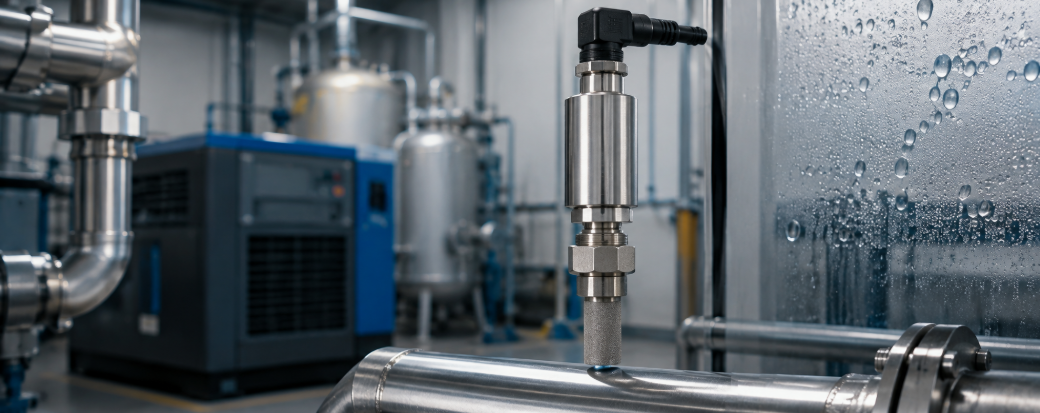
Compressed air is often described as the fourth utility in industrial facilities, yet it remains one of the most misunderstood aspects of plant management. Within the vast network of pipes, valves, and pneumatic machinery, an invisible threat persistently compromises performance. Moisture accumulation in compressed air lines is not merely a nuisance; it acts as a silent saboteur that corrodes infrastructure, ruins sensitive pneumatic tools, and degrades product quality in critical manufacturing processes. Implementing proactive air treatment strategies is essential to mitigate these risks and ensure operational longevity.
The consequences of neglecting moisture control are far reaching. Corrosion can damage internal components of machinery, leading to frequent breakdowns and increased maintenance expenses. Furthermore, excess water vapor can cause unexpected downtime, negatively impacting production schedules and profitability across various sectors including food processing, pharmaceutical production, and heavy manufacturing. To counteract these issues, facility managers must prioritize accurate and consistent monitoring of air quality, starting with the installation of high quality measurement instrumentation.
The FA 510 dew point sensor for compressed air stands as the primary defense against the damaging effects of humidity. Designed for precision and reliability, this sensor enables operators to maintain optimal air dryness levels consistently. By utilizing advanced sensing technology, it allows industries to transition from reactive maintenance to a data driven approach, effectively shielding their systems from the hidden threats of moisture and ensuring the long term efficiency of their compressed air network.
The Importance of Precise Dew Point Measurement
Understanding the true moisture content of compressed air requires specialized equipment capable of delivering accurate readings under varying pressures and temperatures. Dew point is defined as the temperature at which water vapor begins to condense into liquid. In the context of a compressed air system, maintaining the dew point well below the lowest ambient temperature is critical to preventing condensation. If moisture is present, it creates an environment ripe for rust, microbiological growth, and system failures.
Many traditional measurement methods fail to provide the necessary precision for modern industrial applications. In contrast, advanced dew point sensors are engineered to detect even trace amounts of water vapor, providing actionable data that informs maintenance teams when air treatment equipment—such as desiccant or refrigerated dryers—requires attention. By focusing on dew point, rather than relative humidity, managers can make informed decisions that prevent costly liquid water buildup, thereby protecting both the capital investment in equipment and the quality of the final product.
Advancing Sensor Technology for Industrial Environments
The evolution of sensor technology has led to the development of highly resilient devices capable of operating in harsh industrial environments. Modern sensors utilize capacitive ceramic technology, which is specifically designed to resist contamination from oil aerosols, dust, and other impurities commonly found in compressed air lines. This design significantly improves the longevity of the sensor, reducing the frequency of calibration and the overall total cost of ownership.
Unlike older technologies, these advanced sensors provide rapid response times to changes in moisture levels, ensuring that operators receive real time feedback on the performance of their air drying equipment. This responsiveness is vital for critical applications where even brief excursions in moisture levels can lead to failed batches or equipment damage. By adopting state of the art sensing solutions, facilities can ensure their measurement data remains accurate, stable, and trustworthy, which is the foundation of any effective air quality management program.
Strategic Installation for Maximum Visibility
The effectiveness of a dew point sensor is largely dependent on its strategic placement within the compressed air system. Installation should ideally occur at key points, such as the outlet of the air dryer, to verify that the drying process is functioning correctly. Additionally, installing sensors at critical points of use ensures that the air quality meets the specific requirements of the machines or processes being supplied.
Proper installation requires a dedicated sampling system to ensure the sensor is exposed to a representative flow of air. Utilizing a bypass arrangement allows for easy maintenance, including sensor cleaning or replacement, without the need to depressurize the entire compressed air network. By incorporating pre filters and appropriate plumbing, the sensor is protected from oil and particulate matter, ensuring a long and productive service life. Consulting with experts at JAMS Engineering can help determine the most effective installation configuration tailored to specific system layouts and operational requirements.
Optimizing Dryer Performance Through Data
Compressed air dryers consume a significant portion of a facility’s energy budget. Whether using heatless desiccant dryers or energy efficient refrigerated units, ensuring these systems operate correctly is paramount. A dew point sensor acts as a diagnostic tool, providing insights into the efficiency of the drying process. For instance, if the monitored dew point is higher than expected, it may indicate a saturation of desiccant material, a failure in the regeneration cycle, or a malfunction of the refrigeration unit.
By monitoring these metrics, maintenance teams can shift away from time based maintenance—which often involves servicing equipment unnecessarily—to condition based maintenance. This targeted approach ensures that dryers are serviced only when required, reducing waste and extending the life of consumables. The resulting data empowers teams to optimize energy consumption, as they can accurately tune dryer settings to maintain the desired dew point while minimizing the electrical load required for air treatment.
Impact on Product Quality and Regulatory Compliance
In industries such as pharmaceuticals, food and beverage, and electronics, the quality of compressed air is directly linked to the safety and reliability of the final product. Contaminants and moisture in the air stream can compromise batch integrity, introduce impurities, or affect the precision of sensitive pneumatic controls. Rigorous moisture control is often a regulatory requirement to adhere to Good Manufacturing Practices (GMP) and other industry standards.
Continuous monitoring with reliable dew point instrumentation provides an audit trail and objective evidence that the compressed air system is meeting required dryness specifications. This transparency is crucial during quality control assessments and facility audits. By integrating robust sensing solutions into their quality management systems, manufacturers can ensure that moisture related contamination is kept to an absolute minimum, safeguarding both consumer health and the brand's reputation in the marketplace.
Reducing Operational Costs and Downtime
Moisture is a significant driver of operational costs in any compressed air system. When liquid water is present, it increases the likelihood of system component failure, such as valve stiction, rust in cylinders, and premature wear of pneumatic tools. Each of these failures results in downtime, labor costs for repairs, and the cost of replacement parts. Furthermore, moisture promotes the growth of bacteria and other microorganisms in the lines, which can pose health risks in sensitive environments.
By proactively managing moisture with high quality sensors, facilities can drastically reduce these hidden costs. Extending the service life of tools and machinery, minimizing emergency repairs, and avoiding production stoppages are clear financial benefits that provide a strong return on investment. The cost of a professional grade sensor is marginal when compared to the expenses associated with a major system failure or the loss of sensitive products due to contaminated air.
The Role of JAMS Engineering in Industrial Support
JAMS Engineering serves as a reliable partner for industries across Pakistan, offering not just advanced instrumentation, but the expertise required to implement effective air treatment solutions. The technical team understands the unique challenges of local industrial environments and works closely with clients to specify, install, and maintain systems that ensure peak performance. From selecting the right sensor for specific process requirements to providing ongoing calibration services, JAMS Engineering ensures that their clients have the tools necessary to protect their infrastructure.
The commitment to delivering world class solutions is evident in the support provided for advanced sensors and flow measurement technology. By leveraging deep technical knowledge and a wide range of high quality products, they help manufacturers achieve their goals of reliability, quality assurance, and energy efficiency. Partnering with a knowledgeable provider ensures that the investment in instrumentation translates into measurable improvements in operational performance.
Frequently Asked Questions
Why is dew point more important than relative humidity for compressed air?
Dew point provides an absolute measurement of the water vapor present in the air, representing the exact temperature at which condensation will occur. Because compressed air undergoes pressure and temperature changes, dew point is the most reliable parameter for determining the risk of liquid water formation, whereas relative humidity is highly dependent on ambient temperature and provides less actionable data for system protection.
How does a ceramic sensor resist contamination from oil and dust?
Modern ceramic dew point sensors are built with robust, hygroscopic ceramic materials designed to be inherently resistant to common industrial contaminants. They are much less prone to the drift and degradation that affect older technologies like aluminum oxide sensors, allowing them to provide stable and accurate readings even in environments where trace oil vapors or particles may be present.
What is the benefit of installing a sensor in a bypass line?
Installing a sensor in a bypass line facilitates simple maintenance and calibration without interrupting the primary compressed air supply. It also allows for the integration of pre-filters and regulators to condition the air specifically for the sensor, extending its service life by protecting it from harsh elements that might otherwise be present in the main lines.
How can moisture monitoring help reduce energy consumption?
Monitoring the dew point allows for the optimization of air dryer performance. By knowing exactly when the air reaches the required dryness levels, operators can adjust regeneration cycles or cooling intensities, preventing excessive energy usage and ensuring the dryer operates efficiently based on the actual demand and performance rather than running at maximum capacity unnecessarily.
What should I do if my dew point readings begin to rise?
Rising dew point readings are an early warning sign that the air drying system is failing or being overwhelmed. You should immediately check your dryer’s status, inspect the pre filtration systems for blockages or saturation, and review the system for any unusual increases in air demand that may have exceeded the capacity of the current treatment infrastructure.
Closing Thoughts
The invisible threat of moisture in compressed air systems remains a significant risk to industrial productivity, infrastructure longevity, and product quality. By transitioning from a reactive stance to a proactive strategy centered on accurate measurement, facilities can gain the control necessary to protect their investments. The implementation of high performance, ceramic based dew point sensors ensures that operators have the data required to maintain dry, clean air throughout their operations.
Investing in reliable instrumentation and partnering with experienced technical providers like JAMS Engineering empowers facilities to optimize their air treatment processes, reduce operational costs, and uphold the highest standards of manufacturing quality. Maintaining awareness of system health through consistent monitoring is not just a best practice; it is a fundamental component of efficient and sustainable industrial management.

 English
 Arabic
 French
 Spanish
 Portuguese
 Deutsch
 Turkish
 Italiano
 Russian
 Romaian
 Portuguese (Brazil)
 Greek
Greek
