


Ontario Fence Height Rules: GTA Fence Regulations Every Homeowner Should Know
Introduction
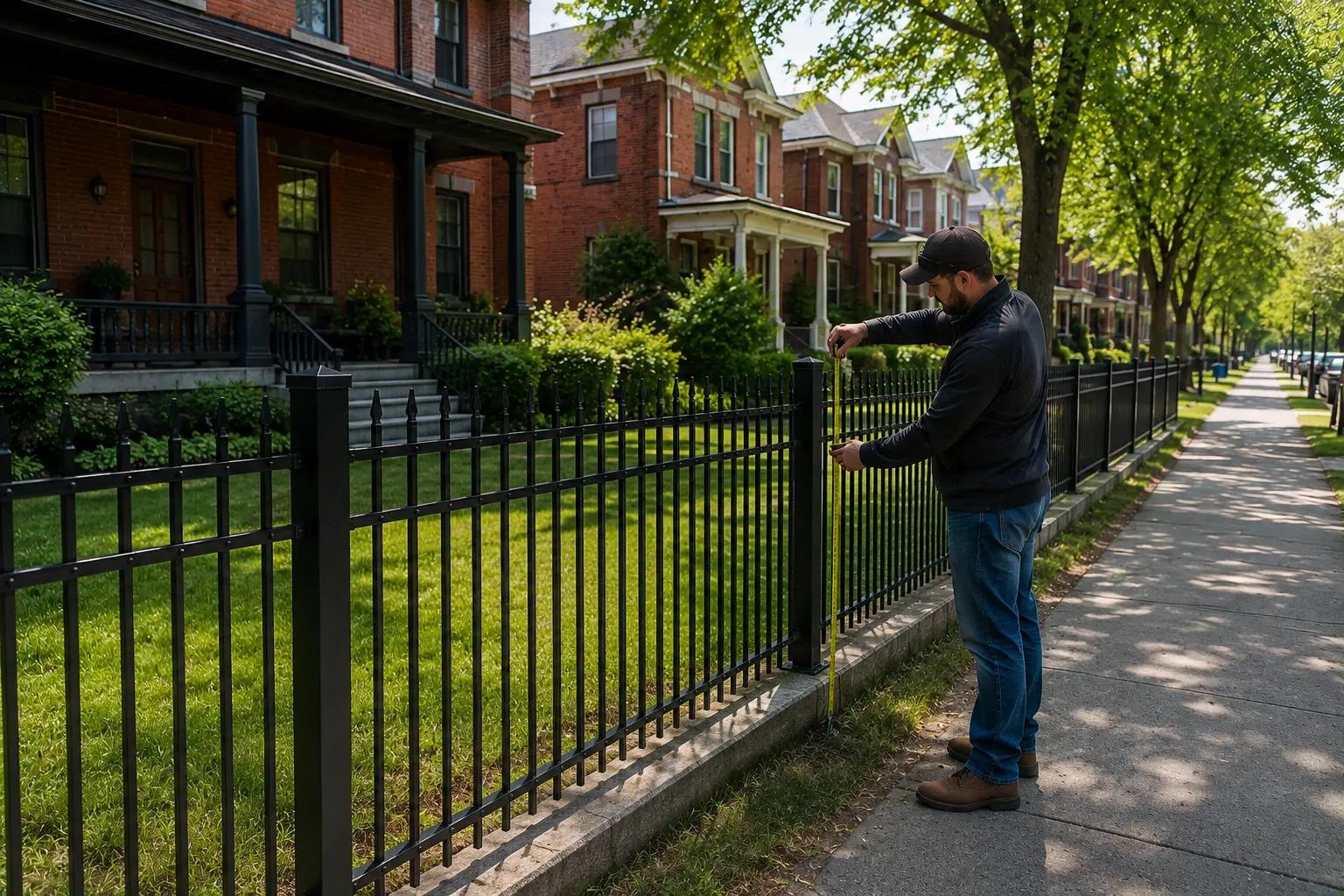
Installing a fence is one of the most effective ways to improve privacy, security, and curb appeal. Whether you're planning a backyard privacy fence, a decorative front yard fence, or a secure pool enclosure, understanding local regulations before construction begins is essential.
Many homeowners assume that Ontario fence height rules are the same across the province. In reality, fence regulations are typically governed by individual municipalities. This means homeowners in Toronto, Mississauga, Brampton, Vaughan, Markham, Richmond Hill, and other GTA communities may be subject to different requirements.
Failing to follow local regulations can result in bylaw complaints, permit issues, costly modifications, or even removal orders. That's why understanding fence height restrictions Ontario, permit requirements, and property line considerations is an important first step before investing in a new fence.
At Ornate Steel Works, we regularly work with homeowners throughout Toronto, Mississauga, Vaughan, Brampton, Markham, and surrounding communities to create fencing and gate solutions that balance aesthetics, security, and local compliance.
Understanding Ontario Fence Height Rules
One of the most common questions homeowners ask is, "How high can my fence be?"
While there is no single province-wide standard for every property, municipalities establish local bylaws that determine fence height limits, placement requirements, and safety regulations.
These bylaws are designed to protect public safety, preserve neighbourhood aesthetics, and maintain visibility for drivers and pedestrians.
Although regulations vary, many municipalities follow similar guidelines for residential fencing.
Common Fence Height Guidelines Across Ontario
|
Fence Type |
Typical Maximum Height* |
|
Front Yard Fence |
Around 1.2 m (4 ft) |
|
Backyard Fence |
Around 1.8–2.0 m (6–6.5 ft) |
|
Pool Fence |
Usually 1.2–1.5 m minimum |
|
Corner Lot Fence |
Subject to visibility restrictions |
*Actual requirements vary by municipality. Always verify local bylaws before construction.
Understanding Ontario fence height rules early in the planning process can help homeowners avoid unexpected expenses and compliance issues later.
Residential Fence Height Ontario: Front Yard vs Backyard Rules
One of the biggest differences in fencing regulations involves fence location.
In most municipalities, residential fence height Ontario regulations allow taller fences in backyards than in front yards. Backyard fences are primarily intended to provide privacy, security, and property separation, while front yard fences must maintain visibility and safety.
Because of this, front yard fence height Ontario restrictions are generally stricter.
Many municipalities limit front yard fences to approximately four feet in height. Decorative metal fences and ornamental designs are often preferred because they maintain visibility while enhancing curb appeal.
By comparison, backyard fence height Ontario regulations are usually more flexible. Homeowners frequently install taller backyard fences to create private outdoor living spaces, block unwanted views, and reduce noise.
Front Yard vs Backyard Fence Rules
|
Feature |
Front Yard Fence |
Backyard Fence |
|
Height Limits |
Usually Lower |
Usually Higher |
|
Visibility Requirements |
Strict |
Minimal |
|
Privacy Benefits |
Moderate |
High |
|
Common Design Style |
Decorative |
Privacy Focused |
|
Corner Lot Restrictions |
More Common |
Less Common |
Even when backyard fences are permitted at greater heights, exceeding local limits can still result in enforcement action.
GTA Fence Regulations Can Vary by Municipality
One of the most important things homeowners should understand is that GTA fence regulations are not identical across all municipalities.
Toronto, Mississauga, Brampton, Vaughan, Markham, Richmond Hill, and Oakville each maintain their own fencing bylaws. While many regulations are similar, important differences can exist regarding maximum fence height, visibility requirements, and permit obligations.
For example, a design that complies with a Toronto fence bylaw may require adjustments before it can be installed elsewhere in the GTA.
Local governments create these regulations to address community-specific concerns such as:
-
Traffic visibility
-
Neighbourhood character
-
Property standards
-
Public safety
-
Pool safety compliance
Before starting any fencing project, homeowners should verify current local requirements or work with professionals who understand regional regulations.
Toronto Fence Bylaw Overview
Toronto homeowners frequently search for information regarding fence regulations because requirements can vary depending on property location and fence type.
A typical Toronto fence bylaw may address:
-
Front yard fence height restrictions
-
Backyard fence height limits
-
Pool enclosure standards
-
Visibility triangles near intersections
-
Corner lot requirements
Properties located near intersections often face additional restrictions to ensure clear sightlines for drivers and pedestrians.
Understanding local requirements before construction can help homeowners avoid bylaw issues and unexpected project delays.
Fence Regulations in York Region and Peel Region
Homeowners in York Region and Peel Region should understand that local fence regulations can differ from those in Toronto.
Cities such as Vaughan, Markham, Richmond Hill, and Aurora may have unique bylaw requirements regarding fence height and placement.
Similarly, Mississauga and Brampton maintain their own regulations governing residential fencing projects.
Because local bylaws evolve over time, homeowners should always verify current requirements before construction begins.
Understanding regional differences is one of the most effective ways to ensure compliance with residential fencing regulations GTA communities enforce.
Pool Fence Requirements Ontario Homeowners Must Follow
Swimming pools present unique safety concerns, which is why pool fence requirements Ontario regulations are generally stricter than standard residential fencing rules.
Pool fences are designed to prevent unauthorized access and reduce the risk of accidents, particularly involving children.
Most municipalities require pools to be enclosed by a fence that meets specific safety standards.
In addition to height requirements, pool fence requirements Ontario often include regulations for gate operation and enclosure design.
Common requirements may include:
-
Self-closing gates
-
Self-latching mechanisms
-
Restricted fence openings
-
Secure access points
-
Approved enclosure designs
Because regulations can vary by municipality, homeowners should always confirm local requirements before beginning construction.
Failing to comply with pool enclosure regulations can lead to inspection delays, fines, and mandatory modifications.
Do You Need a Fence Permit Ontario Homeowners Should Know About?
A common misconception is that every fence requires a permit.
In reality, fence permit Ontario requirements depend on the municipality and project details.
Many standard residential fences do not require building permits. However, permits or approvals may be necessary for projects involving:
-
Unusually tall fences
-
Retaining wall structures
-
Heritage properties
-
Pool enclosures
-
Special zoning requirements
Even when permits are not required, homeowners must still comply with applicable local bylaws.
Understanding local fence permit Ontario regulations before construction can help avoid unnecessary delays and ensure a smoother installation process.
Ontario Property Line Fence Rules and Neighbour Considerations
Fence-related disputes between neighbours are more common than many homeowners realize.
Following Ontario property line fence rules starts with understanding exactly where your property boundaries are located.
Building a fence beyond your property line can create legal complications and may require expensive corrections later.
Before construction begins, homeowners should consider obtaining a professional survey if property boundaries are unclear.
Open communication with neighbours is also highly recommended. Discussing plans before installation often helps avoid misunderstandings and supports positive relationships.
In some situations, neighbours may choose to share costs when a fence benefits both properties.
What Happens If a Neighbour Complains About Your Fence?
A neighbour complaint does not automatically mean your fence violates regulations.
However, municipalities may investigate complaints involving:
-
Fence height concerns
-
Property line disputes
-
Visibility issues
-
Safety concerns
-
Appearance complaints
If a bylaw investigation determines that the fence violates local requirements, homeowners may be required to modify or remove non-compliant sections.
Understanding fence rules between neighbours Ontario communities commonly enforce can significantly reduce the risk of future disputes.
The best approach is always to ensure compliance before installation begins.
Common Fence Installation Mistakes Homeowners Make
Many homeowners focus heavily on design while overlooking legal and regulatory requirements.
One common mistake is assuming that fence regulations are identical throughout Ontario.
Another frequent issue involves exceeding front yard fence height Ontario restrictions or failing to verify backyard fence height Ontario limits before construction.
Pool owners sometimes underestimate the importance of complying with pool fence requirements Ontario, leading to costly corrections after inspections.
Property line misunderstandings also remain one of the leading causes of fencing disputes.
Careful planning and research can help homeowners avoid these problems and protect their investment.
Why Homeowners Trust Ornate Steel Works
A fence is more than just a property boundary. It contributes to security, privacy, property value, and the overall appearance of your home.
At Ornate Steel Works, we help homeowners create custom fencing and gate solutions designed to complement their property while meeting local requirements.
Whether you're exploring custom driveway gates in Ontario, learning about the benefits of installing a pedestrian gate for your Ontario property, or researching how to choose the right driveway gate for your Ontario home, our team is committed to helping homeowners make informed decisions.
Our experience with local fencing projects throughout the GTA allows us to provide guidance that balances design goals with practical compliance considerations.
Frequently Asked Questions
What are Ontario fence height rules?
Ontario fence height rules are generally established by local municipalities rather than the province itself. Requirements vary depending on the location and type of fence.
What is the maximum residential fence height Ontario homeowners can install?
Maximum fence heights vary by municipality, but backyard fences are often permitted to be taller than front yard fences.
Are front yard fence height Ontario regulations different from backyard fence regulations?
Yes. Front yard fences are usually subject to lower height limits because they must preserve visibility for traffic and pedestrians.
What are backyard fence height Ontario regulations?
Backyard fence regulations vary by municipality but typically allow greater heights to support privacy and security.
What are pool fence requirements Ontario homeowners must follow?
Pool fences generally require minimum heights, self-closing gates, self-latching mechanisms, and secure enclosure designs.
Do I need a fence permit Ontario homeowners commonly require?
Permit requirements vary by municipality and project type. Homeowners should always verify local regulations before construction.
What happens if my fence violates a Toronto fence bylaw?
Municipal authorities may require modifications, height reductions, or removal of non-compliant sections.
How can I avoid neighbour disputes over fencing?
Verify property boundaries, communicate with neighbours, and ensure compliance with local bylaws before installation.
Final Thoughts
Installing a fence is a valuable investment, but success depends on more than selecting the right materials and design.
Understanding Ontario fence height rules, residential fence height Ontario regulations, front yard fence height Ontario restrictions, backyard fence height Ontario limits, pool fence requirements Ontario, fence permit Ontario obligations, and local GTA fence regulations can help homeowners avoid costly mistakes and ensure long-term satisfaction.
By planning carefully and working with experienced professionals, homeowners can create fencing solutions that improve privacy, security, and curb appeal while remaining compliant with local requirements.
If you're planning a fence or gate project anywhere in the GTA, the team at Ornate Steel Works can help you explore solutions that combine quality craftsmanship, functionality, and local expertise.

 English
 Arabic
 French
 Spanish
 Portuguese
 Deutsch
 Turkish
 Dutch
Dutch
 Italiano
 Romaian
 Portuguese (Brazil)
 Greek
Greek
