


SEO and PPC: How to Create a Unified Digital Marketing Strategy
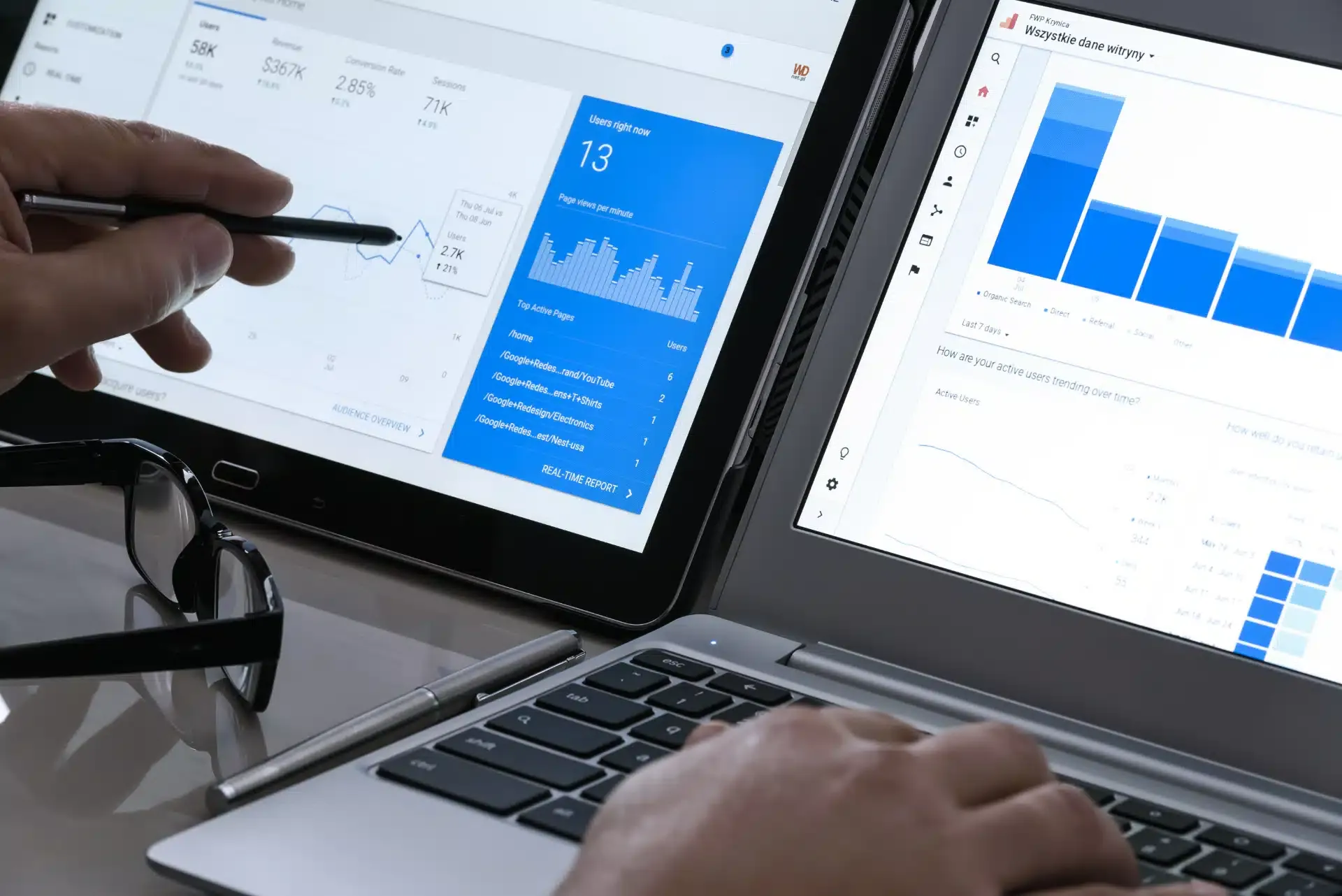
Businesses often treat SEO and paid advertising as two separate marketing channels. In reality, SEO and PPC can work together to create stronger visibility, better audience targeting, and more opportunities to convert website visitors into customers.
SEO helps businesses build long-term organic visibility, while PPC can provide targeted exposure through paid search and other advertising platforms. Each channel has different strengths, but combining their insights can make both strategies more effective.
For example, PPC data can reveal which keywords and messages generate conversions, while SEO can build lasting organic visibility around valuable topics. When marketing teams share data, coordinate campaigns, and measure the complete customer journey, they can make smarter decisions about budget, content, keywords, and conversions.
What Are SEO and PPC?
SEO, or search engine optimization, focuses on improving a website's organic visibility in search engines. It includes content creation, technical optimization, internal linking, user experience, and other activities designed to help relevant pages appear for valuable searches.
PPC, or pay-per-click advertising, allows businesses to pay for targeted advertisements that can appear when users search for specific keywords or interact with relevant advertising platforms.
The main difference is how visibility is acquired:
- SEO: Builds organic visibility over time.
- PPC: Provides paid visibility based on advertising investment.
- SEO: Can generate ongoing traffic after rankings are established.
- PPC: Can provide immediate exposure when campaigns are active.
- Both: Can attract users with high commercial intent.
Instead of choosing one over the other, businesses can use each channel where it provides the greatest value.
Why SEO and PPC Work Better Together
Increase Search Visibility
Using both organic and paid search can give your business more opportunities to appear on a search results page.
A company may rank organically for an important keyword while also running a relevant paid advertisement. This creates additional visibility and can increase the chances of attracting qualified visitors.
However, visibility should not be the only goal. The traffic generated by both channels should be relevant and connected to meaningful business outcomes.
Share Keyword Insights
PPC campaigns can provide useful information about which search terms generate clicks and conversions.
SEO teams can use these insights when planning content and optimizing existing pages. Likewise, organic search data can reveal topics and queries that may be useful for future PPC campaigns.
This creates a useful feedback loop between paid and organic search.
How PPC Can Support SEO
Find High-Value Keywords
SEO teams often need time to determine which keywords deserve attention. PPC campaigns can provide additional performance data that helps identify commercially valuable search terms.
If a keyword consistently generates qualified leads through PPC, it may be worth creating or improving an organic page around the same search intent.
Test Messaging
Paid advertisements provide an opportunity to test different headlines, benefits, and offers.
Suppose one message produces significantly better engagement and conversions than another. That insight can influence organic page titles, headings, landing-page copy, and broader content strategy.
PPC can therefore function as a testing environment for marketing messages.
How SEO Can Support PPC
Build Better Landing Pages
SEO research can reveal what customers want to know about a product or service. Those insights can help create landing pages that answer important questions and match search intent.
A relevant landing page can improve the experience after someone clicks an advertisement.
Reduce Dependence on Paid Traffic
PPC can generate traffic while campaigns are active, but businesses must continue investing to maintain that paid exposure.
Strong SEO creates opportunities to attract organic traffic without paying for every individual click. Over time, this can diversify a business's traffic sources.
Building a Unified SEO and PPC Strategy
Start With Shared Goals
SEO and PPC teams should work toward common business objectives rather than optimizing separate sets of numbers.
Possible goals include:
- Increase qualified leads
- Generate more sales
- Improve online revenue
- Increase brand visibility
- Reduce customer acquisition costs
- Expand into new markets
Once goals are defined, both channels can be evaluated based on their contribution to those outcomes.
Create Shared Keyword Research
Combine organic keyword research with PPC search-term data.
Group keywords according to search intent, such as:
- Informational
- Commercial
- Transactional
- Local
- Branded
- Non-branded
This can help marketing teams identify which topics require educational content, which need service pages, and which may be strong candidates for paid campaigns.
Coordinate Landing Pages and Content
Your paid advertisements and organic pages should communicate consistent messages.
If an advertisement promotes a specific service, the landing page should immediately address that service. Similarly, content created for SEO should provide useful information that matches the searcher's expectations.
Consistency improves the customer journey across both channels.
Practical Tips for Combining SEO and PPC
Use these practices to create a more connected search strategy:
- Share keyword data regularly. Let PPC performance inform SEO priorities and vice versa.
- Track conversions consistently. Use the same definitions for important actions wherever possible.
- Test landing-page messaging with PPC. Apply successful insights to organic pages.
- Identify expensive PPC keywords. Determine whether SEO investment could reduce long-term dependence on paid traffic.
- Use PPC for new offers. Paid campaigns can provide quick market feedback.
- Protect important branded searches. Monitor how your brand appears across both organic and paid results.
- Review performance by intent. High traffic is less valuable if visitors are unlikely to become customers.
- Share reporting across teams. A unified view makes it easier to identify opportunities.
Common Mistakes to Avoid
Even businesses investing in both channels can lose opportunities by keeping their strategies completely separate.
Avoid these common mistakes:
- Treating SEO and PPC as competing channels
- Using different conversion definitions
- Ignoring PPC keyword data in SEO planning
- Sending paid traffic to irrelevant pages
- Measuring success only through clicks
- Focusing on traffic instead of qualified leads
- Failing to test landing-page messaging
- Stopping SEO because PPC produces faster results
- Stopping PPC simply because organic rankings improve
- Making decisions without enough performance data
The goal is not to make SEO and PPC identical. It is to make them work toward the same business objectives.
Measuring a Unified Search Strategy
A combined strategy needs meaningful measurement. Track performance across both channels and look beyond basic traffic numbers.
Important metrics may include:
- Organic traffic
- Paid traffic
- Conversion rate
- Cost per conversion
- Leads or sales
- Revenue
- Keyword visibility
- Click-through rate
- Landing-page performance
- Customer acquisition cost
Review these metrics by campaign, keyword group, landing page, device, location, and customer intent when enough data is available.
This provides a clearer understanding of where your marketing budget and resources produce the strongest results.
How Once Interactive Can Help
At Once Interactive, we understand that SEO and paid advertising are most effective when they support a connected digital strategy. Search visibility, landing-page quality, website performance, content, and conversion paths all influence the customer journey.
Our web development and digital marketing expertise can help businesses build websites and marketing strategies designed around measurable objectives. By combining organic search, paid campaigns, user experience, and conversion optimization, businesses can create a stronger foundation for sustainable growth.
Frequently Asked Questions
1. Should businesses use SEO and PPC together?
Yes. SEO and PPC have different strengths, and combining them can provide both immediate paid visibility and long-term organic growth.
2. Is SEO better than PPC?
Neither is universally better. SEO can provide sustainable organic visibility, while PPC can deliver targeted traffic quickly. The right balance depends on your goals, industry, competition, and budget.
3. Can PPC improve SEO rankings?
PPC does not directly improve organic rankings. However, PPC data can provide useful insights into keywords, messaging, audiences, and landing pages that support SEO decisions.
4. How does SEO help PPC campaigns?
SEO research can help identify search intent, useful topics, and customer questions. These insights can contribute to better advertisements, landing pages, and keyword targeting.
5. How long does SEO take compared with PPC?
PPC can begin generating traffic soon after campaigns launch, while SEO typically requires more time to build organic visibility. SEO results can continue providing value after rankings are established.
6. What should I measure when combining SEO and PPC?
Focus on business outcomes such as qualified leads, sales, revenue, conversion rates, and customer acquisition costs. Traffic and rankings are useful, but they should support broader performance analysis.
Conclusion
A successful SEO and PPC strategy does not require choosing between organic and paid search. Instead, businesses can use the strengths of both channels to increase visibility, understand customer intent, test marketing messages, and generate more qualified opportunities.
PPC can provide fast insights and targeted exposure, while SEO can build long-term organic visibility and reduce reliance on paid traffic. When both channels share data, goals, landing pages, and conversion tracking, they become more valuable together.

 English
 Arabic
 French
 Spanish
 Portuguese
 Deutsch
 Turkish
 Dutch
Dutch
 Russian
 Romaian
 Portuguese (Brazil)
 Greek
Greek
