


The Ultimate Resource for Advanced Wound Care: What Oakland County Patients and Families Should Know
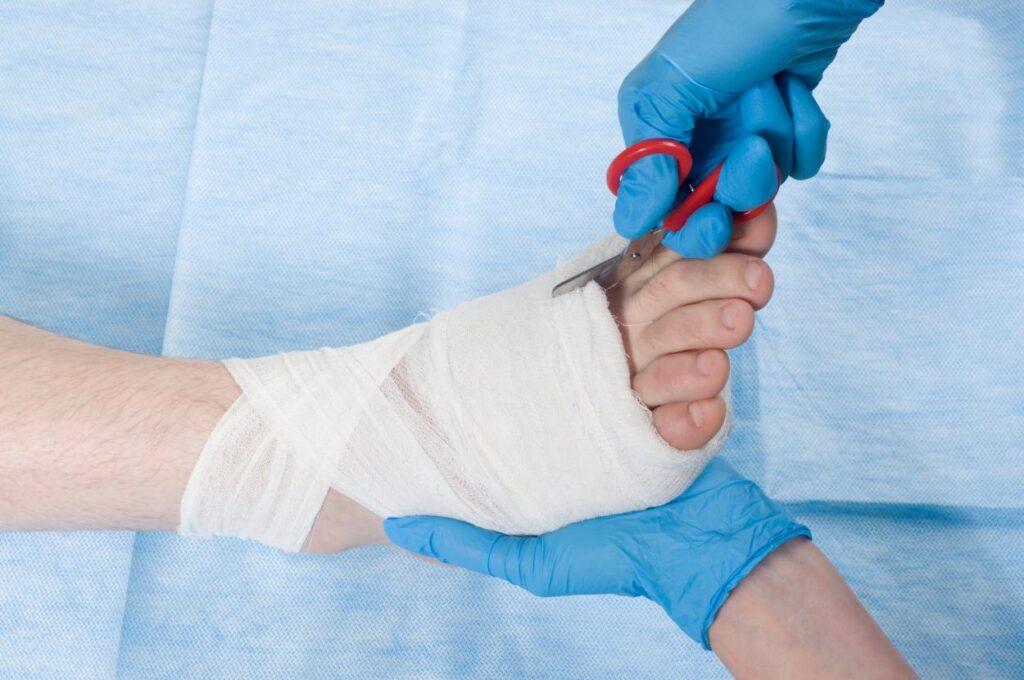
Wound healing is not always a simple process that can be managed with a basic dressing and occasional observation. Some wounds become chronic, recur repeatedly, or take longer to heal because of underlying health conditions and other contributing factors. Access to appropriate wound care in Oakland can help patients receive professional assessment and an individualized treatment approach based on the type and condition of the wound. Advanced wound care may involve coordinated services from physicians, nurses, specialists, and other healthcare professionals. Understanding the available options can help patients and caregivers recognize when professional wound management may be appropriate.
The right treatment depends on several factors, including the wound’s cause, location, size, duration, surrounding skin, and the patient’s overall health. Conditions such as diabetes, circulation problems, reduced mobility, and certain medications may affect healing and require additional attention. Professional wound-care providers can evaluate these factors and determine whether routine care, specialized treatment, or further medical investigation is necessary. Patients should avoid relying solely on general online advice because wounds can behave differently from one person to another. A qualified healthcare professional can provide guidance based on an individual clinical assessment.
What Is Advanced Wound Care?
Advanced wound care refers to specialized approaches used when a wound requires more comprehensive assessment or treatment than basic first aid. It may be considered for chronic wounds, complex injuries, pressure injuries, diabetic wounds, postoperative wounds, or wounds that have not progressed as expected. The exact treatment depends on professional evaluation and the patient’s medical circumstances. Advanced care may involve wound assessment, appropriate dressing strategies, infection evaluation, pressure management, and coordination with other medical professionals. The objective is to support healing while addressing factors that may be preventing progress.
A comprehensive wound assessment generally considers more than the visible injury. Healthcare professionals may review the patient’s medical history, medications, circulation, mobility, nutrition, and other factors that could influence recovery. The wound itself may be evaluated for characteristics such as size, depth, drainage, surrounding skin condition, and changes over time. Documentation can help the healthcare team monitor progress and recognize when a treatment plan needs reassessment. This individualized approach is an important part of responsible wound management.
Common Types of Wounds Requiring Professional Care
Several different types of wounds may require ongoing medical attention. Pressure injuries can develop when prolonged pressure affects areas of the body, particularly in people with limited mobility. Diabetic wounds may require careful monitoring because diabetes can affect sensation and healing. Venous or arterial wounds can be associated with circulation problems and may require evaluation of the underlying vascular condition. Surgical wounds, traumatic injuries, and chronic skin breakdown may also require professional follow-up depending on their severity and healing progress.
A wound that does not appear serious at first can sometimes become more complicated if healing is delayed. Patients should communicate changes such as increasing pain, spreading redness, swelling, unusual drainage, odor, fever, or deterioration around the wound to an appropriate healthcare professional. These signs do not always indicate the same problem, so professional assessment is important before deciding on treatment. A healthcare provider can determine whether routine monitoring is sufficient or whether additional evaluation is needed. Early attention to concerning changes may help prevent unnecessary complications.
Why Professional Wound Assessment Matters
Accurate assessment is one of the foundations of effective wound management. A healthcare professional can examine the wound and consider the patient’s overall condition before recommending an appropriate treatment strategy. This can be especially important for chronic wounds, where simply changing a dressing may not address the underlying reason healing is delayed. The clinician may identify factors that require attention, such as pressure, circulation concerns, infection risk, or difficulties with the current care routine. A treatment plan should be based on clinical findings rather than assumptions.
Regular reassessment can also help determine whether a wound is responding to treatment. Wound healing is a dynamic process, and the appearance or symptoms may change over time. Documentation from successive visits can provide useful information about whether the wound is improving, remaining stable, or becoming more concerning. If progress is limited, the healthcare team may reconsider the current approach or recommend additional evaluation. Patients should follow professional instructions and communicate honestly about any challenges they experience between appointments.
Advanced Wound Care and Diabetes
Diabetes can make wound management more complex because several factors associated with the condition may affect healing. Reduced sensation can make it harder for a person to notice an injury, while circulation problems can interfere with tissue recovery. Blood glucose management and other aspects of overall health may also influence the healing process. For these reasons, diabetic wounds should receive individualized medical attention rather than being treated with a generic dressing routine. A qualified healthcare professional can determine what type of wound management and follow-up are appropriate.
Patients with diabetes should pay close attention to changes in their skin and feet and communicate concerning findings promptly. A small injury can become more difficult to manage if it is overlooked or repeatedly exposed to pressure. Appropriate footwear, skin care, pressure management, and adherence to professional treatment recommendations may form part of a broader care plan. However, patients should not independently diagnose a wound or change medical treatment based on general information. Professional evaluation is especially important when healing appears delayed or the wound changes unexpectedly.
The Role of Nurses in Wound Management
Nurses can play an important role in ongoing wound care by providing hands-on support and reinforcing the treatment plan established by the appropriate healthcare professionals. Depending on their qualifications and scope of practice, nurses may assist with wound observation, dressing changes, patient education, documentation, and communication with physicians. Regular nursing visits can also give patients opportunities to ask questions about their care routine. This support can be particularly useful for people who have difficulty managing wound care independently. The services available depend on the provider and the patient’s clinical needs.
Home-based nursing may also improve accessibility for patients who find frequent travel difficult. Appropriate patients can receive selected wound-care services in their residence, reducing some transportation and mobility challenges. During a home visit, a nurse may also identify practical barriers that affect adherence to the established treatment plan. Relevant observations can be communicated to the responsible physician or other members of the healthcare team. This coordinated model can help keep day-to-day wound support connected to broader medical management.
Wound Care Services in Genesee MI
Patients looking for wound care services in Genesee MI may encounter different levels of care depending on their needs and the provider’s capabilities. Services can range from routine wound monitoring and dressing support to more specialized assessment and coordinated treatment. Before selecting a provider, patients should ask what types of wounds are managed and whether the clinicians have appropriate qualifications and experience. It is also important to understand how referrals, diagnostic testing, and physician communication are handled. These questions help ensure that the selected service matches the patient’s clinical requirements.
Convenience should not be the only factor when comparing wound-care services. Patients should consider professional credentials, experience, availability, communication procedures, and the provider’s approach to changing or complicated wounds. A responsible service should recognize when a patient needs care beyond what can safely be delivered through its own program. Families should also ask about follow-up scheduling, costs, insurance arrangements, and what to do if symptoms worsen between visits. Clear expectations can make the care process easier for both patients and caregivers.
What to Expect During a Wound Care Appointment
A professional wound-care appointment usually begins with a discussion about the patient’s medical history and the current condition of the wound. The healthcare professional may ask when the wound developed, how it has changed, what treatment has already been attempted, and whether the patient has experienced pain or other symptoms. The wound and surrounding skin may then be assessed according to the clinician’s professional responsibilities. Measurements or other documentation may be used to track progress over time. The provider can then explain the recommended care plan and any follow-up requirements.
Patients can prepare by bringing or making available relevant medical records, medication information, previous treatment instructions, and details about allergies. If another healthcare professional is involved, contact information may be useful for coordination. Patients should also prepare questions about dressing schedules, activity restrictions, warning signs, and expected follow-up. Caregivers can participate when appropriate and may help remember instructions or communicate observations. Good preparation and open communication can make each appointment more productive.
Coordinated Care for Complex Wounds
Complex wounds often require collaboration between multiple healthcare professionals. A physician may investigate underlying medical issues and determine whether medications, procedures, testing, or specialist referrals are appropriate. Nurses may provide ongoing wound support and education, while other professionals may contribute expertise related to circulation, mobility, nutrition, or other relevant factors. Effective communication helps ensure that each professional understands the current treatment plan. Patients and caregivers should know who to contact when a new concern develops.
Coordination is particularly important when a wound is not improving as expected. The healthcare team may need to reassess the diagnosis, treatment strategy, pressure factors, circulation, infection concerns, or other barriers to healing. Patients should report significant changes rather than waiting for a routine appointment. A coordinated team can then determine whether additional evaluation or a different level of care is necessary. The purpose of advanced wound care is not merely to manage the wound’s appearance but to support safe, evidence-informed treatment of the patient as a whole.
Choosing a Qualified Wound Care Provider
When selecting a wound-care provider, patients should look for appropriate professional credentials, relevant experience, and clear communication practices. Asking about the provider’s qualifications and the types of wounds routinely managed can help determine whether the service is suitable. Patients should also ask how treatment plans are documented and how information is shared with physicians or specialists when necessary. If the wound becomes more complex, the provider should have a clear process for recommending additional medical evaluation. These considerations are important because wound care quality depends heavily on appropriate clinical judgment.
Families should also consider practical factors such as appointment availability, service location, insurance coverage, and expected costs. However, affordability and convenience should be balanced with clinical suitability. Patients deserve to understand why a particular treatment is recommended and what signs would require a change in the plan. Providers who encourage questions and explain their recommendations clearly can help patients participate more confidently in their care. A strong patient-provider relationship supports communication, which is essential during longer wound-healing periods.
When a Wound Needs Urgent Attention
Some wound-related symptoms may require prompt medical evaluation rather than waiting for a routine appointment. Rapidly increasing pain, spreading redness, significant swelling, fever, unusual drainage, tissue changes, or sudden deterioration should be communicated to an appropriate healthcare professional. The significance of any symptom depends on the patient’s overall condition, so professional assessment is important. People with diabetes, circulation problems, immune concerns, or other conditions affecting healing may require particularly careful monitoring. Patients should follow their healthcare provider’s instructions for handling changes between appointments.
Emergency symptoms require an appropriate emergency response rather than waiting for home-based or routine wound care. Serious illness, major trauma, severe bleeding, or other potentially life-threatening circumstances may require immediate medical attention. Advanced wound-care services can be valuable, but they do not replace emergency departments or hospital-based treatment when those services are necessary. Knowing the limits of home and outpatient wound management helps patients make safer decisions. When in doubt about a serious change, contacting an appropriate healthcare professional promptly is preferable to delaying evaluation.
Conclusion
Effective wound management requires more than selecting a dressing and hoping an injury heals on its own. Professional wound care in Oakland can provide patients with individualized assessment, monitoring, education, and coordinated treatment when their condition requires specialized attention. Similarly, wound care services in Genesee MI can offer different levels of professional support depending on the patient’s needs and the provider’s capabilities. The most appropriate option should be determined through a qualified clinical assessment. Patients should consider professional credentials, communication, experience, and access to additional care when selecting a provider.
Advanced wound care works best when patients, caregivers, nurses, physicians, and other healthcare professionals communicate effectively. Regular monitoring can help identify changes, while individualized treatment can address factors that may interfere with healing. Patients should follow their care plans, report concerning symptoms promptly, and understand when a higher level of medical attention is needed. With qualified professional guidance and coordinated care, patients can approach wound recovery with a clearer understanding of their treatment options and the steps needed to support safer healing.

 English
 Arabic
 French
 Spanish
 Portuguese
 Deutsch
 Dutch
Dutch
 Italiano
 Russian
 Romaian
 Portuguese (Brazil)
 Greek
Greek
