


Teething in Babies: What's Normal, What Helps, and What to Watch For
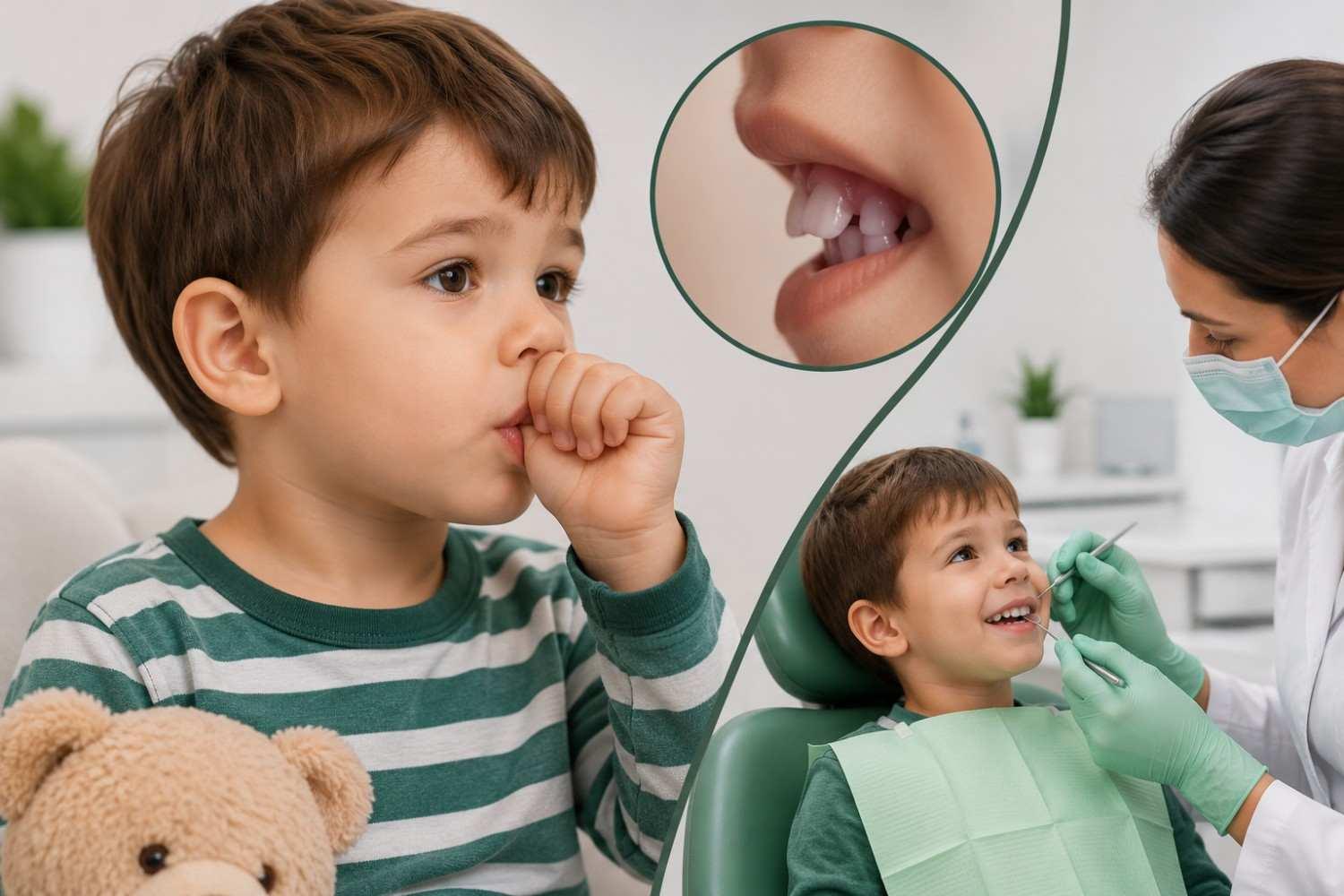
Few milestones cause as much worry for new parents as teething. A once-contented baby becomes unsettled, dribbly and grizzly, and it's natural to wonder what's normal, how to help, and whether every symptom is really down to teething or something else. With so much conflicting advice around, it can be hard to know what to believe.
The good news is that teething, while it can be an uncomfortable phase, is a normal part of a baby's development, and there's plenty parents can do to ease it. Understanding what to expect, what genuinely helps, and what shouldn't simply be blamed on teething makes the whole process far less daunting. Here's a clear, practical guide.
When Teething Happens
Knowing the usual timeline helps parents know what to expect.
Most babies get their first tooth at around six months of age, though there's a wide normal range. Some babies get their first tooth as early as three or four months, while others don't start until after their first birthday, and occasionally a baby is even born with a tooth. All of this is within the range of normal.
The teeth generally come through in a fairly predictable order, usually starting with the bottom front teeth, followed by the top front teeth, and continuing until most children have their full set of twenty baby teeth by around two and a half to three years of age. If a baby is a little early or late compared to others, this is usually nothing to worry about.
The Normal Signs of Teething
Teething comes with a range of common symptoms, and knowing them helps parents recognise what's happening.
Typical, normal signs of teething include:
- Increased dribbling or drooling
- A desire to chew or bite on things, seeking counter-pressure on the gums
- Sore, red or swollen gums where a tooth is coming through
- Being more irritable, unsettled or clingy than usual
- Disturbed sleep
- A flushed cheek on the side where a tooth is emerging
- A mild rise in temperature, though not a high fever
These symptoms often come and go over the days around a tooth emerging, and vary a lot from baby to baby. Some babies sail through teething with barely a grumble, while others find it more uncomfortable.
What Shouldn't Be Blamed on Teething
This is an important and often overlooked point: not everything that happens during the teething months is caused by teething.
Because teething coincides with a period when babies are naturally becoming more prone to minor illnesses, it's easy to attribute any symptom to teething when something else may be responsible. In particular, a high fever, diarrhoea, vomiting, a significant rash, or a baby who seems genuinely unwell should not simply be put down to teething. These can be signs of an illness that needs attention, and blaming them on teething risks missing something that should be checked.
The sensible approach is to treat teething as a cause of mild discomfort only, and to have a baby who seems properly unwell assessed by a doctor rather than assuming it's just teeth. For reliable, non-commercial information on babies' health and teething, Healthdirect, the Australian Government's health information service, is a trustworthy reference.
What Genuinely Helps
Several safe, simple measures can ease a teething baby's discomfort.
Approaches that tend to help include:
- Something to chew on, such as a clean teething ring, ideally one that can be chilled (but not frozen solid) in the fridge, as the cool pressure soothes sore gums
- Gentle gum massage, rubbing a clean finger over the sore gum to provide counter-pressure
- A cool, clean washcloth for the baby to gnaw on
- Wiping away dribble gently to prevent skin irritation around the mouth and chin
- Extra comfort and cuddles, since a teething baby often simply needs reassurance
- Chilled soft foods, for babies already on solids, such as cool purees
If a baby is in genuine discomfort, appropriate infant pain relief can be used, but it's best to check with a pharmacist or doctor on suitability and dosage for the baby's age. It's wise to be cautious about certain teething products, some traditional or unregulated remedies are not recommended on safety grounds, so sticking to safe, well-established measures is the sensible course.
Caring for Those First Teeth
Once teeth start to appear, dental care begins, and starting early sets good habits.
As soon as the first tooth comes through, it should be cleaned. Parents can use a soft baby toothbrush or a clean cloth, with a smear of children's fluoride toothpaste, to gently clean the tooth twice a day. Caring for baby teeth matters, even though they're eventually replaced, because they hold space for the adult teeth, help with eating and speech, and are prone to decay if neglected.
It's also recommended that children have their first dental visit by around their first birthday, or when the first teeth appear. Early visits help catch any issues and get the child comfortable with the dentist. A practice such as Appin Dental Surgery can check a baby's emerging teeth, offer guidance on caring for them, and help establish positive dental habits from the very beginning.
The Bottom Line
Teething is a normal, if sometimes uncomfortable, part of a baby's development, usually beginning around six months but varying widely. Its common signs, dribbling, chewing, sore gums, irritability and disturbed sleep, are generally mild and manageable with simple measures like a chilled teething ring, gentle gum massage, and plenty of comfort.
The key things to remember are that not every symptom should be blamed on teething, a genuinely unwell baby or a high fever deserves proper medical attention, and that dental care begins as soon as the first tooth appears. With a little knowledge and patience, parents can help their baby through teething and set them on the path to a lifetime of healthy teeth. It's a passing phase, and an early start on good dental habits is one of the most valuable things it leads to.
Frequently Asked Questions
When Do Babies Start Teething?
Most babies get their first tooth at around six months, but there's a wide normal range. Some start as early as three or four months, while others don't begin until after their first birthday, and occasionally a baby is born with a tooth. Teeth usually appear in order, starting with the bottom front teeth, with most children having all twenty baby teeth by around two and a half to three years.
What Are the Signs of Teething?
Common signs include increased dribbling, a desire to chew or bite, sore or swollen gums, irritability, disturbed sleep, a flushed cheek, and a mild rise in temperature. These vary a lot between babies. Importantly, a high fever, diarrhoea, vomiting or a baby who seems genuinely unwell should not be blamed on teething and should be checked by a doctor.
How Can I Soothe My Teething Baby?
Safe, simple measures help most. Offer a clean teething ring, ideally chilled in the fridge, for the baby to chew, gently massage the sore gum with a clean finger, or let them gnaw on a cool, clean washcloth. Extra comfort and cuddles help too. If the baby is in real discomfort, appropriate infant pain relief can be used after checking suitability with a pharmacist or doctor.
When Should My Baby First See a Dentist?
Children should have their first dental visit by around their first birthday, or when their first teeth appear. Early visits allow any issues to be caught and help the child become comfortable with the dentist. As soon as the first tooth comes through, it should also be cleaned twice a day with a soft brush and a smear of children's fluoride toothpaste, beginning good dental habits early.

 English
 French
 Spanish
 Portuguese
 Deutsch
 Turkish
 Dutch
Dutch
 Italiano
 Russian
 Romaian
 Portuguese (Brazil)
 Greek
Greek
