


How to Find Reliable Roofers in the UK — And What to Look For Before You Hire
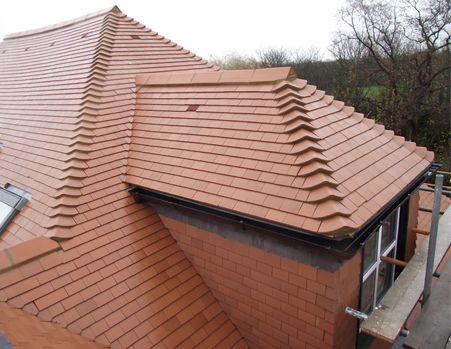
Your roof is the first line of defence your home has against the British weather. Rain, wind, frost, and everything in between — it takes a battering every single season. So when something goes wrong, finding the right person for the job matters more than most homeowners realise.
Whether you've spotted a missing tile, noticed a damp patch spreading across your ceiling, or you're planning a full roof replacement, the roofer you choose will determine whether the problem gets fixed properly or comes back to haunt you six months later.
If you're based in Hampshire, you'll want someone who knows the area well. Homeowners searching for roofers in Lychpit will find that local specialists understand the specific roofing challenges the area faces — from aging tile systems to moss build-up on north-facing slopes.
What Does a Roofer Actually Do?
Most people only think about roofers when something goes wrong. But a good roofing contractor covers a much wider range of work than emergency repairs alone.
A qualified UK roofer can help with replacing broken, slipped, or missing roof tiles, repairing and replacing lead flashing around chimneys and skylights, installing new flat roofs using EPDM rubber or GRP fibreglass, clearing and repairing gutters and fascias, full roof replacements on residential and commercial properties, moss and algae removal and treatment, and ridge tile re-bedding and repointing.
Understanding the full scope of what roofers offer helps you ask the right questions before any work begins. Many homeowners are surprised to learn that a good roofer can also advise on insulation, ventilation, and energy efficiency — not just the waterproofing layer on top.
Signs Your Roof Needs Attention
One of the biggest mistakes UK homeowners make is waiting too long before calling a roofer. By the time a problem becomes obvious from inside the house, the damage has usually already spread further than it should have.
Here are the most common warning signs to watch for:
Water stains on your ceiling. Yellow or brown patches on your ceiling after rainfall almost always point to a roof leak. Even if the patch dries out, the underlying cause won't fix itself.
Missing or slipped tiles. A single missing tile exposes the felt underlayer beneath to the elements. In wet British weather, that felt can deteriorate quickly, allowing water into the roof structure.
Moss and algae growth. A green tinge across your roof tiles might look harmless from the ground but moss holds moisture against the tile surface, lifting edges and causing long-term damage to the material beneath.
Sagging roofline. Any visible dip or sag along your roofline is a serious structural warning sign. This needs professional attention immediately.
Blocked or overflowing gutters. Gutters that overflow during rainfall can push water back under the roof edge, causing rot to fascias and damage to the roof structure over time.
If you notice any of these signs, don't delay. Get a professional assessment as soon as possible.
How to Check If a Roofer Is Legitimate
The UK roofing industry is unfortunately full of cowboys. Rogue traders cause thousands of pounds worth of damage every year — often to vulnerable homeowners who hired someone based on price alone.
Here's what to look for before you hand over a penny:
Check their accreditations. Look for membership of the National Federation of Roofing Contractors (NFRC) or the Confederation of Roofing Contractors (CORC). These bodies hold members to professional standards and give you a complaints route if things go wrong.
Ask for proof of insurance. Any legitimate roofer working on your property should carry public liability insurance. If they can't provide it, walk away immediately.
Get at least three written quotes. This isn't just about price — it tells you how different contractors assess the same problem. If one quote is significantly cheaper than the others, ask why. Cheap quotes often mean cheap materials or shortcuts in the work.
Read local reviews. Check Google, Checkatrade, and Trustpilot for reviews specific to your area. A roofer with dozens of five-star reviews from local homeowners is far more reassuring than one with no online presence at all.
Avoid cold callers. Roofers who knock on your door unsolicited and claim they spotted damage while passing are one of the most common scams in the UK. Always source your own contractor independently.
Questions to Ask Your Roofer Before Work Starts
Even experienced homeowners often forget to ask the basics. Before any roofer starts work on your property, get clear answers to these important questions:
How long will the work take? A straightforward tile repair might take a few hours. A full re-roof on a semi-detached house typically takes three to five days. Make sure you have a realistic timeline confirmed in writing.
What materials will you use? Quality matters enormously. Ask specifically whether materials meet BS 5534 standards — the British Standard for slating and tiling. A good roofer will know this without hesitation.
Will you provide a written guarantee? Reputable roofers back their work with a guarantee — typically between five and ten years on labour. Get this in writing before work starts, not after it is completed.
Do you need scaffolding? For most pitched roof work, scaffolding is legally required under UK Working at Height Regulations. If a roofer says they'll do the job without it, that is a serious red flag.
Will you remove the old materials? Confirm that the roofer will clear and dispose of all old roofing materials. Some contractors leave skips full of waste for the homeowner to deal with.
The Cost of Roofing Work in the UK
Roofing costs vary depending on the type of work, the size of your property, and the materials used. As a rough guide for UK homeowners:
Single tile replacement: £150 - £300
Ridge tile repair and repointing: £300 - £900
Roof flashing repair: £200 - £600
Moss removal and treatment: £250 - £700
Full pitched roof replacement: £5,000 - £15,000 and above
Flat roof installation using EPDM: £1,500 - £6,000 and above
Always get a written breakdown of costs before agreeing to anything. Hidden charges added after the job is done are one of the most common complaints against rogue roofing traders in the UK.
How to Maintain Your Roof Between Professional Visits
A little preventative maintenance goes a long way when it comes to extending the life of your roof. You do not need to climb up there yourself — most of this can be done safely from the ground or with a professional annual inspection.
Clear your gutters at least twice a year, ideally in late autumn after leaves have fallen and again in early spring. Keep an eye on your roofline from the ground after every significant storm. And book a professional roof inspection every two to three years even if nothing looks obviously wrong — small problems caught early are always cheaper to fix than large ones caught late.
Don't Wait Until It Gets Worse
The most expensive roofing jobs are almost always ones that could have been caught earlier. A slipped tile left for one winter can allow water into the timber structure beneath, turning a £200 repair into a job that costs ten times that amount.
If you've noticed anything unusual — stains on the ceiling, draughts in the loft, or tiles that look out of place from the ground — get a professional opinion sooner rather than later. Most reputable roofers offer free inspections with no obligation, so there is no reason to put it off any longer.
Need a trusted local roofer? Always choose someone with verified reviews, proper accreditation, and clear transparent pricing — and never pay the full amount upfront before work begins.

 English
 Arabic
 French
 Spanish
 Portuguese
 Deutsch
 Turkish
 Dutch
Dutch
 Italiano
 Romaian
 Portuguese (Brazil)
 Greek
Greek
