


How Road Impacts Can Affect Your Vehicle's Tailshaft Alignment
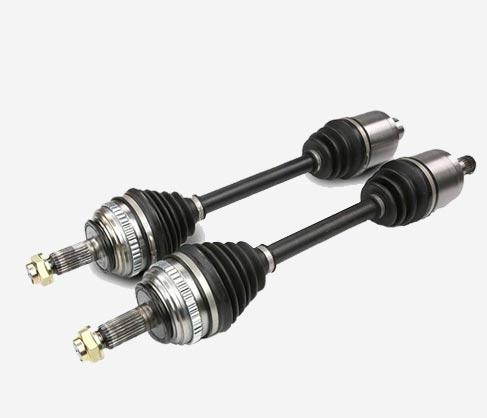
Potholes, uneven roads, kerbs and road debris are an unavoidable part of everyday driving. While your vehicle's suspension is designed to absorb many road impacts, a severe hit can place unexpected stress on components underneath the vehicle, including the tailshaft and its related mounting and connection points.
A tailshaft needs to operate at the correct angle and position to transfer power smoothly. If a significant road impact causes damage, movement or misalignment, you may begin to notice vibrations, clunking noises or shuddering during acceleration.
Understanding how road impacts can affect tailshaft alignment can help you recognise problems early and avoid further driveline damage.
What Is Tailshaft Alignment?
A tailshaft rotates at high speed while transferring power from the transmission towards the differential. For it to operate correctly, the shaft needs to maintain suitable operating angles and alignment with the connected components.
Correct alignment helps minimise:
- Vibration.
- Excessive bearing load.
- Universal joint stress.
- Uneven component wear.
- Driveline noise.
When alignment is affected, even a shaft that appears physically intact can develop noticeable operating problems.
How Can a Road Impact Affect the Tailshaft?
A severe impact can transfer force through the wheels, suspension and vehicle structure. Depending on where the impact occurs, it may affect components connected to the driveline.
Potential problems include:
- A bent tailshaft.
- Damaged universal joints.
- Centre bearing movement.
- Damaged mounting points.
- Altered driveline angles.
- Loss of balance.
Not every pothole will cause this type of damage, but a significant impact followed by new symptoms should be taken seriously.
1. Potholes Can Cause Sudden Stress
Potholes can vary considerably in depth and severity.
Hitting one at speed can create a sudden impact that places stress on components underneath the vehicle.
After a significant pothole, watch for:
- New vibration.
- Clunking.
- Shuddering during acceleration.
- Unusual noises.
- Changes in driving feel.
If these symptoms weren't present before the impact, the timing can provide an important clue during diagnosis.
2. A Bent Tailshaft Can Cause Vibration
The tailshaft needs to remain straight to rotate correctly.
If an impact bends the shaft, even slightly, it may no longer rotate evenly.
You may notice:
- Vibration at certain speeds.
- Shuddering under acceleration.
- Humming or droning.
- Increased vibration as speed increases.
In some situations, professional tailshaft repairs Melbourne may be able to restore the shaft. If the damage is too severe, replacement may be recommended.
3. Universal Joint Angles Can Be Affected
Universal joints are designed to accommodate changes in driveline angles. However, excessive or incorrect angles can increase wear.
If a road impact changes the position of a related component, the universal joint may operate under conditions it wasn't designed for.
This can contribute to:
- Premature wear.
- Vibration.
- Clunking.
- Squeaking.
- Reduced driveline smoothness.
A complete inspection is useful because universal joint problems can sometimes be mistaken for tailshaft imbalance.
4. Centre Bearing Problems
Some vehicles use a centre bearing to support a multi-section tailshaft.
The bearing helps keep the shaft positioned correctly as it rotates.
If an impact damages the bearing or its mounting, you may experience:
- Vibration.
- Shuddering.
- Humming noises.
- Excessive driveline movement.
A worn or damaged centre bearing should be addressed before continued driving creates additional stress.
5. Road Impacts Can Affect Tailshaft Balance
Alignment and balance are different, but they can influence each other.
A damaged or displaced component can affect how the shaft rotates. Missing balance weights or physical distortion can also introduce imbalance.
Common symptoms include vibration at particular speeds or increased vibration as the vehicle accelerates.
Professional tailshaft balancing Melbourne can determine whether rotational imbalance is contributing to the problem.
However, balancing should not be used to hide an underlying structural or alignment problem.
6. Mounting Components Can Become Damaged
The tailshaft relies on various connections and mounting points to remain correctly positioned.
A significant impact can potentially affect these components.
Loose or damaged mounting points may cause:
- Excessive movement.
- Clunking.
- Vibration.
- Changes in driveline angles.
If a mounting problem is found, repairing it may be necessary before the shaft can operate correctly again.
What Are the Warning Signs of Misalignment?
Tailshaft alignment problems can produce several symptoms.
Look out for:
Vibration
A vibration that appears after hitting a pothole or road obstacle deserves attention.
Clunking
A clunk when changing gears or accelerating may indicate excessive movement.
Shuddering
Shuddering when taking off can occur when driveline components aren't operating smoothly.
Unusual noises
Humming, knocking or squeaking underneath the vehicle may indicate component wear.
Changes at different speeds
Some driveline problems become more noticeable at particular road speeds.
Could It Be a Wheel or Tyre Problem?
Yes.
Wheel imbalance, tyre damage and alignment problems can also cause vibration following a pothole impact.
This makes professional diagnosis important.
A technician may need to determine whether the vibration comes from:
- Wheels.
- Tyres.
- Suspension.
- Tailshaft.
- Drive shaft.
- Universal joints.
- Bearings.
Replacing driveline components without identifying the actual source can lead to unnecessary costs.
Don't Forget Other Driveline Components
A road impact can affect more than just the tailshaft.
During an inspection, technicians may also check CV joints Melbourne for signs of damage or excessive wear.
The protective CV boots Melbourne should also be inspected for:
- Cracks.
- Tears.
- Grease leakage.
- Loose clamps.
If a boot has been damaged by road debris, addressing it early can help protect the CV joint from contamination.
Could Steering Components Also Be Damaged?
A major pothole can affect steering and suspension components as well as the driveline.
If you notice:
- Heavy steering.
- Steering fluid leaks.
- Changes in steering response.
- Whining while turning.
the power steering pump Melbourne and related components may require inspection.
This is another reason why a complete vehicle assessment can be more useful than focusing on one component.
When Should You Get the Tailshaft Checked?
Not every pothole requires a driveline inspection. However, professional assessment is recommended if a significant impact is followed by new symptoms.
Arrange an inspection if you notice:
- Persistent vibration.
- New clunking.
- Shuddering during acceleration.
- Unusual noises.
- Changes in handling.
- Grease or fluid leaks.
Early diagnosis can help prevent further damage.
Can You Prevent Road Impact Damage?
You can't avoid every road hazard, but you can reduce the risk.
Slow down safely
Reduce speed when approaching visible potholes and uneven surfaces.
Maintain correct tyre pressure
Proper tyre pressure helps the vehicle respond appropriately to road impacts.
Don't ignore new symptoms
If your vehicle feels different immediately after an impact, have it checked.
Keep up with servicing
Regular inspections can identify worn components before they become more vulnerable to road impacts.
Supporting Melbourne Drivers
If your vehicle has developed vibration or unusual noises after hitting a pothole or rough section of road, arranging a professional driveline inspection can help determine whether the tailshaft or another component has been affected.
For Melbourne motorists, checking a workshop's Google Business Profile can also help when selecting a local specialist. Customer reviews, workshop photos, opening hours and recent updates provide useful information before booking a service.
Whether you require tailshaft repairs Melbourne, tailshaft balancing Melbourne, an inspection of CV joints Melbourne, replacement CV boots Melbourne, or assistance with a power steering pump Melbourne, choosing an experienced driveline specialist can help restore reliable vehicle performance.
Final Thoughts
Severe road impacts can affect tailshaft alignment, balance, mounting points and related driveline components. While a small pothole may have no noticeable effect, a significant impact can lead to vibration, clunking or shuddering.
The key is to pay attention to changes in your vehicle's behaviour. If a new symptom appears after hitting a pothole, don't assume it will disappear on its own.
Professional diagnosis can determine whether the problem is related to the tailshaft, universal joints, wheels, suspension or another component. Addressing the issue early can help prevent additional wear, reduce repair costs and keep your vehicle operating smoothly on Melbourne roads.

 English
 Arabic
 French
 Spanish
 Portuguese
 Deutsch
 Turkish
 Dutch
Dutch
 Italiano
 Russian
 Romaian
 Portuguese (Brazil)
