


Common Side Effects After Sleeve Gastrectomy and How to Manage Them
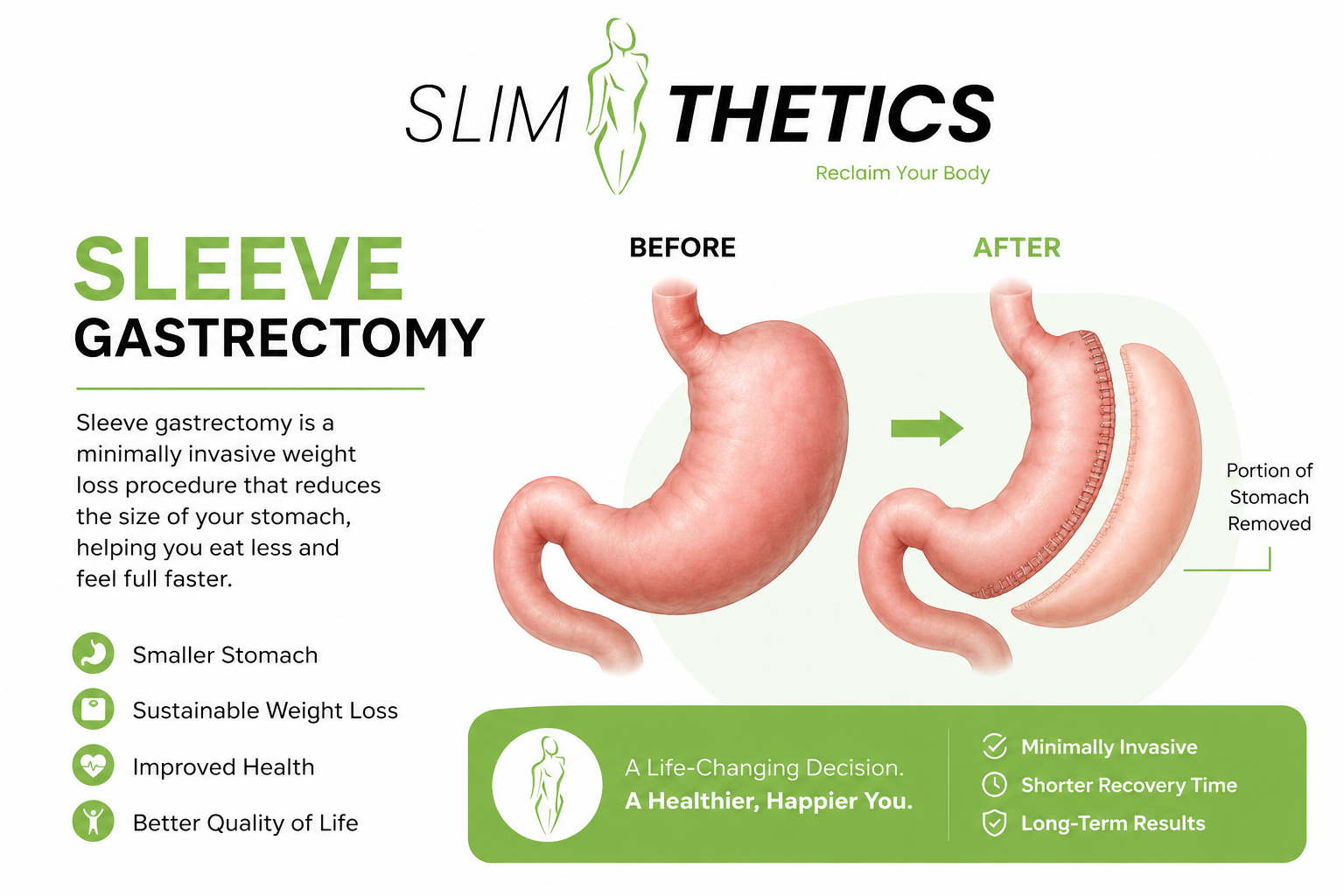
Sleeve gastrectomy is one of the most commonly performed bariatric procedures for people struggling with severe obesity and related health concerns. Although the procedure can support significant and lasting weight loss, patients may experience certain side effects during the early recovery period and, in some cases, later in their weight-loss journey. Understanding these effects can help patients recognize what is normal, make appropriate lifestyle adjustments, and know when to contact their healthcare provider.
For patients considering Sleeve Gastrectomy in Islamabad, knowing what to expect after surgery is an important part of making an informed decision. The procedure permanently reduces the size of the stomach, which changes how much food a person can consume and may also influence appetite and eating patterns. Most side effects can be managed with proper dietary guidance, hydration, medication when prescribed, and regular follow-up with a bariatric team.
What Is Sleeve Gastrectomy?
Sleeve gastrectomy, also known as gastric sleeve surgery, is a weight-loss procedure in which a large portion of the stomach is surgically removed. The remaining stomach is shaped into a narrow tube or “sleeve.”
How Does Sleeve Gastrectomy Work?
- Reduces stomach capacity: A smaller stomach allows patients to feel full after eating smaller portions.
- Supports appetite control: The procedure can reduce the production of certain appetite-related hormones, including ghrelin.
- Promotes weight loss: Reduced food intake combined with lifestyle changes can result in substantial weight loss.
- May improve obesity-related conditions: Weight loss may help improve conditions such as type 2 diabetes, high blood pressure, and sleep apnea.
The surgery is generally performed laparoscopically through several small abdominal incisions. However, individual surgical techniques, recovery experiences, and outcomes can vary from patient to patient.
Common Side Effects After Sleeve Gastrectomy
Experiencing some discomfort or digestive changes after surgery does not necessarily mean that something has gone wrong. The body needs time to adjust to the smaller stomach and the significant changes in eating and drinking habits.
1. Nausea and Vomiting
Nausea is relatively common during the early recovery period. It may be related to anesthesia, medications, dehydration, eating too quickly, or consuming more food than the reduced stomach can comfortably handle.
How to manage it:
- Take prescribed anti-nausea medication if recommended by your doctor.
- Sip fluids slowly instead of drinking large amounts at once.
- Follow the recommended postoperative diet.
- Eat slowly and stop when you begin feeling full.
- Avoid foods that trigger nausea.
- Contact your healthcare team if vomiting is persistent or severe.
Repeated vomiting should not simply be ignored because it can contribute to dehydration and nutritional deficiencies.
2. Abdominal Pain and Discomfort
Mild abdominal pain, soreness, or tightness is common following surgery. Incision-related discomfort can also occur as the body heals.
Helpful recovery measures include:
- Take pain medication according to your surgeon's instructions.
- Avoid strenuous activities during the initial recovery period.
- Follow incision-care instructions carefully.
- Start gentle walking when your medical team permits it.
- Report severe, worsening, or unusual pain to your healthcare provider.
Pain that suddenly becomes severe or is accompanied by fever, breathing difficulties, persistent vomiting, or other concerning symptoms requires prompt medical evaluation.
3. Acid Reflux and Heartburn
Some patients experience heartburn or worsening acid reflux after sleeve gastrectomy. Changes in stomach anatomy can influence how acid moves through the digestive system.
Management may include:
- Avoiding large meals.
- Eating slowly.
- Remaining upright after eating.
- Limiting foods that trigger reflux.
- Avoiding eating immediately before bedtime.
- Taking acid-reducing medication if prescribed.
Patients with persistent reflux should discuss their symptoms with their bariatric surgeon because ongoing symptoms may require further assessment and treatment.
Digestive Changes After Sleeve Gastrectomy
The digestive system may behave differently after surgery because the stomach has significantly less capacity.
4. Constipation
Constipation can occur because of changes in food intake, reduced physical activity, dehydration, or certain medications.
Ways to reduce constipation include:
- Drink fluids according to your bariatric team's recommendations.
- Gradually introduce appropriate sources of dietary fiber when permitted.
- Walk regularly as your recovery allows.
- Follow your prescribed nutritional plan.
- Discuss persistent constipation with your healthcare provider before using laxatives or other medications.
5. Diarrhea or Changes in Bowel Movements
Changes in bowel habits can occur as the diet changes following surgery. Certain foods, supplements, medications, or individual digestive responses may contribute.
Patients can help manage digestive changes by:
- Introducing new foods gradually.
- Keeping track of foods that cause symptoms.
- Following the recommended postoperative diet.
- Staying adequately hydrated.
- Seeking professional advice if diarrhea is persistent or accompanied by other symptoms.
6. Dehydration
Dehydration is an important concern after sleeve gastrectomy because the smaller stomach makes it difficult to consume large amounts of fluid at one time.
Signs of Dehydration
- Dry mouth
- Dark-colored urine
- Reduced urination
- Dizziness
- Weakness
- Headache
- Excessive thirst
How to prevent dehydration:
- Sip fluids regularly throughout the day.
- Carry a water bottle when leaving home.
- Avoid drinking large quantities rapidly.
- Follow your clinic's recommended fluid intake.
- Ask your healthcare team about suitable beverages during recovery.
Severe dehydration may require medical treatment, so persistent symptoms should not be overlooked.
7. Feeling Full Very Quickly
Feeling full after eating a small amount is an expected effect rather than a complication. However, patients may initially find the sensation unfamiliar.
The reduced stomach capacity means that portion sizes must remain significantly smaller than before surgery.
Patients should:
- Eat slowly.
- Take small bites.
- Chew food thoroughly.
- Stop eating when comfortably full.
- Avoid forcing themselves to finish a meal.
- Follow the portion recommendations provided by their dietitian.
Overeating can cause discomfort, nausea, vomiting, and other digestive symptoms.
8. Fatigue and Low Energy
Feeling tired during the first few weeks after surgery is common because the body is recovering while calorie intake is substantially reduced.
Fatigue can be managed by:
- Getting sufficient rest.
- Following the recommended protein intake.
- Staying hydrated.
- Taking prescribed vitamins and minerals.
- Gradually increasing physical activity.
- Attending follow-up appointments.
Persistent or worsening fatigue should be discussed with a healthcare professional because nutritional deficiencies or other medical issues may need to be evaluated.
9. Hair Loss After Sleeve Gastrectomy
Temporary hair thinning or increased hair shedding may occur several months after significant weight loss. This can happen because of rapid weight reduction, reduced calorie intake, or inadequate protein and micronutrient intake.
How Can Hair Loss Be Reduced?
- Maintain adequate protein intake as advised.
- Take prescribed bariatric supplements.
- Follow the recommended meal plan.
- Avoid crash dieting.
- Attend nutritional follow-ups.
- Have deficiencies evaluated if significant hair loss continues.
In many cases, temporary hair shedding improves as the body adapts and nutritional intake stabilizes.
10. Nutritional Deficiencies
Although sleeve gastrectomy does not bypass a significant portion of the intestine, patients can still develop nutritional deficiencies if they do not consume enough nutrients or take their recommended supplements.
Potential deficiencies may involve:
- Iron
- Vitamin B12
- Folate
- Vitamin D
- Calcium
- Other essential micronutrients
Prevention is important: Regular blood tests, appropriate supplements, adequate protein intake, and ongoing dietary monitoring can help reduce the risk of nutritional problems.
When Should You Contact Your Doctor?
Most postoperative symptoms are manageable, but certain warning signs require prompt medical attention.
Seek Medical Advice if You Experience:
- Severe or worsening abdominal pain
- Persistent vomiting
- Difficulty keeping fluids down
- Signs of significant dehydration
- High or persistent fever
- Chest pain or difficulty breathing
- Heavy bleeding
- Severe weakness or fainting
- Significant swelling or redness around an incision
- Any symptom that feels unusual or rapidly worsens
Patients should follow the emergency instructions provided by their surgical team rather than attempting to self-diagnose complications.
How Long Do Sleeve Gastrectomy Side Effects Last?
The duration of side effects varies between individuals. Some symptoms, such as mild nausea, abdominal discomfort, and fatigue, generally improve as the body recovers.
General Recovery Expectations
- First few days: Patients may experience soreness, fatigue, nausea, and difficulty adjusting to fluid and food intake.
- First few weeks: Eating patterns gradually become easier, while energy levels usually improve.
- First few months: The body continues adapting to reduced food intake and rapid weight loss.
- Long term: Most patients establish new eating habits and continue working toward their weight-loss goals.
Individual recovery depends on factors such as overall health, surgical technique, adherence to dietary recommendations, and postoperative support.
Tips for a Smoother Sleeve Gastrectomy Recovery
Successful recovery is not only about the surgery itself. Daily habits and follow-up care play an important role.
Follow Your Bariatric Team's Instructions
- Follow each stage of the postoperative diet.
- Take prescribed medications and supplements.
- Attend scheduled follow-up appointments.
- Follow recommended activity restrictions.
- Gradually increase exercise when medically cleared.
Focus on Hydration and Protein
- Drink fluids consistently throughout the day.
- Prioritize protein-rich foods when permitted.
- Avoid high-calorie beverages that provide little nutritional value.
- Follow individualized protein and fluid recommendations.
Develop Long-Term Healthy Habits
- Eat slowly and mindfully.
- Maintain appropriate portion sizes.
- Avoid frequent snacking.
- Choose nutrient-dense foods.
- Stay physically active.
- Continue regular medical and nutritional monitoring.
Is Sleeve Gastrectomy Safe?
Sleeve gastrectomy is an established bariatric procedure, but like any major surgery, it carries potential risks and side effects. The safety of the procedure depends on several factors, including appropriate patient selection, surgical expertise, medical assessment, hospital standards, and postoperative monitoring.
Patients should have a detailed discussion with a qualified bariatric surgeon about their medical history, expected benefits, possible risks, alternatives, and long-term requirements before deciding on surgery.
Choosing Sleeve Gastrectomy in Islamabad
For people considering weight-loss surgery locally, choosing an experienced bariatric team is an important step. Patients should look beyond the procedure's price and consider the quality of consultation, surgical expertise, nutritional support, follow-up care, and overall patient experience.
When researching Sleeve Gastrectomy in Islamabad, ask the clinic about the surgeon's experience, preoperative evaluation, postoperative diet plan, follow-up schedule, nutritional monitoring, and what support is available if complications or unexpected symptoms occur.
Final Thoughts
Sleeve gastrectomy can be an effective tool for people struggling with severe obesity when combined with appropriate nutrition, physical activity, behavioral changes, and ongoing medical support. Side effects such as nausea, constipation, reflux, fatigue, dehydration, and temporary hair loss can occur, but many can be managed through proper postoperative care.
Understanding the possible side effects before surgery allows patients to prepare realistically and recognize when professional guidance is needed. The goal is not simply to undergo surgery but to build sustainable habits that support long-term weight management and improved health.
Why Consider Slimthetics Clinic?
If you are exploring Sleeve Gastrectomy in Islamabad, Slimthetics Clinic provides a patient-focused approach to weight-loss care, from initial consultation and surgical assessment to postoperative guidance and long-term support. A personalized evaluation can help determine whether sleeve gastrectomy is appropriate for your health goals and circumstances.
Book a consultation with Slimthetics Clinic to discuss your weight-loss options and take an informed step toward a healthier future.

 English
 Arabic
 French
 Spanish
 Portuguese
 Deutsch
 Turkish
 Dutch
Dutch
 Italiano
 Romaian
 Portuguese (Brazil)
 Greek
Greek
