


Retrofitting Services for Stronger Existing Structures
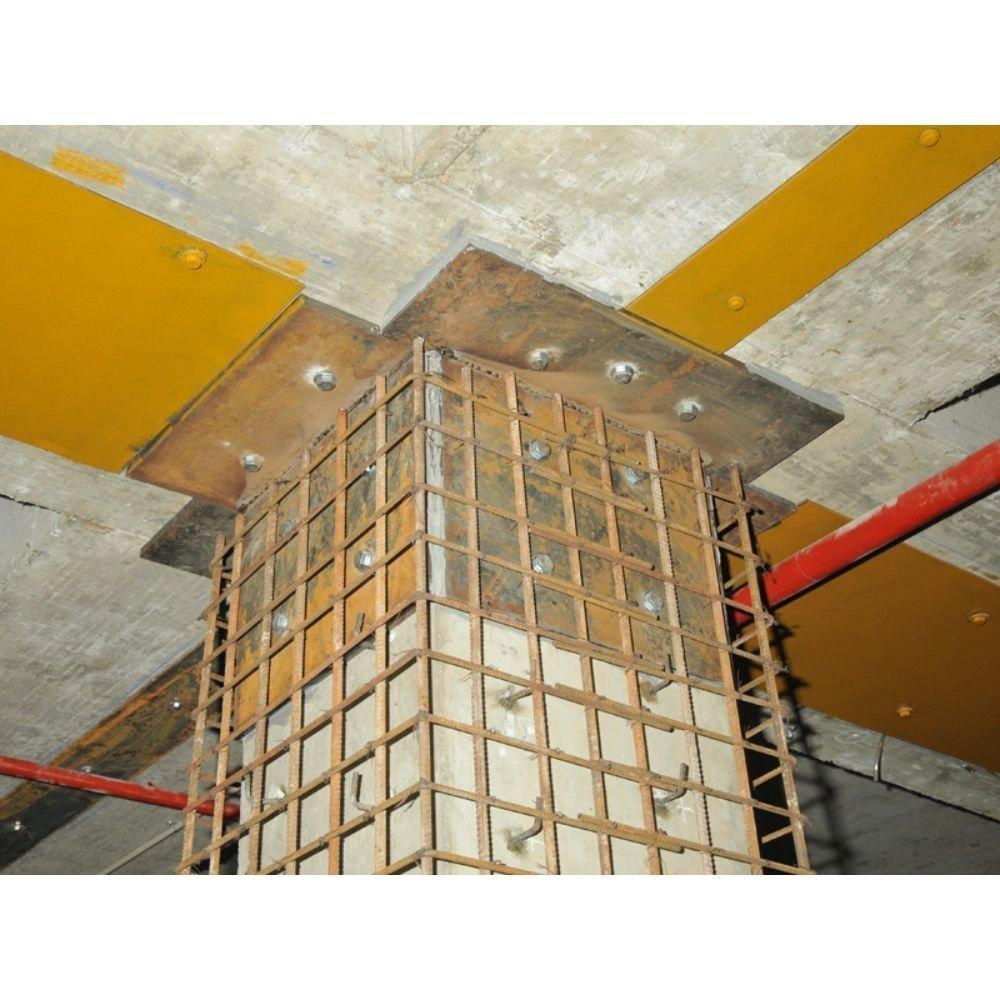
Buildings and concrete structures can develop cracks, leakage, corrosion, voids, and deterioration as they age or face changing environmental and operational conditions. Retrofitting services help improve the performance of existing structures without requiring complete reconstruction. Within this approach, specialised repair methods such as PU grouting and PU injection grouting can address water ingress and difficult internal leakage paths. Choosing experienced injection grouting contractors is important for achieving durable, technically appropriate results. Structural problems do not always appear as major visible failures. Small cracks, damp patches, seepage through construction joints, or recurring basement leakage can indicate deeper pathways within concrete. If these issues remain untreated, continuous moisture can contribute to deterioration and reinforcement corrosion. Professional assessment helps determine whether the requirement involves waterproofing, crack sealing, structural repair, grouting, or broader retrofitting services, rather than applying the same treatment to every problem.
What Are Retrofitting Services?
Retrofitting services involve upgrading an existing structure to improve its strength, durability, functionality, or resistance to identified structural demands. Depending on the condition assessment, solutions may include concrete repairs, jacketing, fibre wrapping, corrosion mitigation, crack treatment, injection grouting, or other strengthening techniques. The objective is not simply to cover visible damage, but to address the underlying structural requirement and extend the useful service life of the existing building or infrastructure.
Retrofitting becomes particularly relevant when an existing building needs improved performance because of ageing, deterioration, changes in use, environmental exposure, or updated structural requirements. A suitable solution begins with understanding the structure, identifying damaged areas, evaluating the severity of defects, and selecting compatible repair techniques. This engineering-led approach can reduce unnecessary demolition while helping owners maintain valuable buildings, industrial facilities, commercial properties, and infrastructure with minimal disruption.
Understanding PU Grouting
PU grouting, also known as polyurethane grouting, is an injection-based technique used primarily for controlling water leakage through cracks, joints, voids, and other pathways in concrete and masonry. Polyurethane grout can react with moisture and expand within leakage paths, creating a flexible sealing material. This characteristic makes PU grouting particularly useful where conventional surface waterproofing cannot reach the internal route through which water is entering the structure.
The performance of PU grout depends on selecting the appropriate formulation, understanding the leakage condition, and controlling the injection process correctly. Different site conditions may require different polyurethane systems, depending on moisture, crack characteristics, expected movement, and the desired sealing performance. Therefore, PU grouting should not be treated as a generic chemical application. Proper inspection, material selection, injection pressure, sequencing, and finishing all influence the effectiveness of the completed treatment.
What Is PU Injection Grouting?
PU injection grouting is a specialised waterproofing and crack-sealing technique where polyurethane resin is injected under controlled pressure through strategically positioned injection ports. The resin travels into cracks, voids, joints, or concealed leakage paths and reacts according to the selected material system. Expanding polyurethane can occupy internal spaces and form a barrier against water movement, making the method useful for active leakage problems in concrete structures.
One major advantage of PU injection grouting is its ability to treat leakage from within the structure rather than relying entirely on surface access. This is valuable in locations where removing finishes, excavating external areas, or accessing the opposite side of a wall is difficult. Applications may include basements, underground structures, lift pits, retaining walls, water-retaining structures, tunnels, parking areas, and other concrete elements exposed to persistent moisture or water pressure.
When Is PU Injection Grouting Required?
PU injection grouting is generally considered when water is entering through cracks, construction joints, honeycombed zones, voids, or other concealed pathways that cannot be effectively sealed using ordinary surface treatment. Active water leakage can make conventional repair difficult because moisture continues to reach the affected area. A properly designed injection system can direct polyurethane material into the internal leakage route and help create a watertight barrier where surface-level methods may not be sufficient.
Persistent basement leakage is one common situation where property owners consider PU injection grouting. Similar requirements can occur in underground parking structures, lift pits, retaining walls, water tanks, tunnels, slabs, and below-ground concrete walls. However, the visible leakage point is not necessarily the actual origin of water entry. Experienced injection grouting contractors therefore inspect the affected area and determine the likely leakage path before drilling and installing injection ports.
How Does PU Injection Grouting Work?
The PU injection grouting process normally starts with a detailed inspection of cracks, joints, damp areas, and visible leakage points. Once the treatment locations are identified, suitable injection points are marked and small holes are drilled at calculated intervals. Packers or injection ports are then installed to provide controlled access for the grout. Proper preparation is essential because incorrect positioning can reduce penetration and leave sections of the leakage pathway untreated.
After the injection ports are prepared, polyurethane grout is introduced using suitable injection equipment and controlled pressure. The material enters the crack or void and travels through available internal pathways. When the selected PU system reacts with moisture, it can expand and fill spaces, helping restrict further water movement. Injection pressure and sequence must be managed carefully to avoid unnecessary material loss and to encourage effective penetration throughout the identified leakage zone.
Once injection is completed, the treated area is monitored to verify whether water flow has been effectively controlled. Injection ports can then be removed or cut back, depending on the selected system and finishing requirement, followed by sealing of the drilled locations. Surface finishing restores the appearance of the repaired area. A final inspection helps confirm that the treatment has addressed the identified leakage route rather than merely concealing the visible symptom.
Benefits of PU Grouting for Concrete Structures
PU grouting can provide several practical advantages when it is correctly specified and executed. Its ability to penetrate cracks and react with moisture makes it suitable for certain active leakage conditions. Polyurethane systems can also provide flexibility, which is valuable where minor movement may occur after treatment. Because the work is performed through relatively small injection points, it can often be completed without extensive removal of surrounding concrete or finishes.
Another benefit is the ability to treat difficult-to-access leakage pathways from the accessible side of the structure. This can be particularly useful for underground walls, basements, retaining structures, and other locations where external excavation would be disruptive or expensive. PU injection grouting may therefore support efficient building repair and waterproofing strategies when the site condition is properly evaluated and the selected material matches the leakage characteristics.
PU Grouting vs Other Grouting Methods
Not every crack or void should automatically receive PU grout. Cement grouting, microfine cement grouting, epoxy injection grouting, and polyurethane grouting have different characteristics and applications. Cementitious materials may be suitable for filling larger voids or improving certain foundation and soil conditions, while epoxy injection can be considered for specific structural crack-repair requirements. PU systems are particularly associated with flexible sealing and water-leakage control.
The correct choice depends on whether the primary requirement is waterproofing, structural bonding, void filling, soil improvement, crack repair, or strengthening. Crack width, moisture condition, movement, structural significance, accessibility, and surrounding concrete condition should all be considered. Instead of selecting a material solely because it is commonly used, property owners should seek an engineering assessment and specify the grouting method according to the actual problem.
Common Applications of PU Injection Grouting
PU injection grouting can be used across several building and infrastructure environments where water penetration or concealed voids create maintenance concerns. Common applications include basement waterproofing, underground parking areas, lift pits, retaining walls, water tanks, tunnels, concrete slabs, construction joints, and other below-grade structures. These locations can experience significant moisture exposure, making internal crack and joint sealing an important part of long-term maintenance and repair planning.
Industrial structures may also require specialised grouting when leakage affects operational areas, equipment spaces, underground sections, or concrete components exposed to demanding environments. In such projects, repair work needs to consider access restrictions, operational schedules, safety requirements, and the consequences of continued water ingress. Professional injection grouting contractors can develop an application sequence that coordinates material selection, equipment, manpower, safety, and site conditions with the requirements of the facility.
PU Injection Grouting for Basement Leakage
Basement leakage can result from cracks, construction joints, hydrostatic pressure, defective waterproofing, or pathways formed within concrete. Simply applying a coating over the damp surface may not address water travelling behind or through the concrete. PU injection grouting can provide a targeted internal treatment by injecting resin into identified leakage paths. This approach is particularly useful when the external side of a basement wall is inaccessible or excavation would cause significant disruption.
For basement waterproofing, identifying the source and route of leakage is as important as selecting the injection material. Water may travel away from its original entry point before appearing on the interior surface. A professional inspection can therefore help determine injection locations and the appropriate treatment sequence. Combining crack treatment with suitable surface protection, drainage improvements, or other waterproofing measures may provide a more comprehensive solution where site conditions require multiple interventions.
Why Experienced Injection Grouting Contractors Matter
Injection grouting is not simply a matter of pumping chemical material into a crack. The effectiveness of the repair depends on diagnosis, material selection, drilling pattern, injection pressure, equipment, sequencing, and site supervision. Experienced injection grouting contractors understand how different concrete conditions affect material movement and can adapt the process according to leakage behaviour, crack characteristics, and accessibility. Professional execution also helps reduce the risk of incomplete treatment or unnecessary material consumption.
A reliable contractor should be able to evaluate the defect before recommending a treatment, explain the proposed methodology, and use appropriate injection equipment and materials. For complex structural conditions, engineering involvement is particularly important because leakage may coexist with concrete deterioration, reinforcement corrosion, or structural cracking. Gubbi Civil Engineers Limited can be considered when clients require an integrated approach combining structural assessment, repair, waterproofing, grouting, and retrofitting expertise for existing concrete structures.
Importance of Proper Site Assessment
A site assessment provides the information needed to determine why leakage or deterioration is occurring and which repair method is appropriate. Engineers may examine crack patterns, concrete condition, moisture levels, construction joints, drainage conditions, previous waterproofing treatments, and visible signs of corrosion. The objective is to distinguish between superficial defects and problems that may require deeper intervention. This evaluation helps prevent unsuitable treatments that only provide temporary visual improvement.
For retrofitting projects, assessment becomes even more important because multiple defects can exist simultaneously. A building may require concrete repair in one location, structural strengthening elsewhere, and PU injection grouting in another area experiencing water ingress. Treating every defect with the same technique can lead to poor performance and unnecessary expenditure. A condition-based repair strategy allows each problem to receive a solution suited to its technical requirement and expected service environment.
PU Grouting and Structural Retrofitting
PU grouting can form part of a broader retrofitting strategy when water ingress is contributing to deterioration or affecting the durability of existing concrete. However, PU grouting should not automatically be considered a structural strengthening method. Its primary role in many applications is sealing leakage and filling selected cracks or voids. Where a structural member has lost load-bearing capacity, additional strengthening methods may be required based on engineering evaluation.
A comprehensive structural retrofitting project may combine multiple techniques depending on the condition of individual elements. Concrete repairs can restore deteriorated sections, jacketing can improve selected structural capacities, fibre systems can provide strengthening in appropriate applications, and injection systems can address specific cracks or leakage pathways. The final methodology should be determined by structural requirements, site conditions, material compatibility, and the intended service life of the repaired structure.
How to Select a PU Grouting Contractor
When selecting PU grouting contractors, property owners should look beyond the lowest quotation and evaluate technical capability. Important factors include experience with similar leakage conditions, engineering support, injection equipment, material quality, safety practices, quality control, and the ability to provide a clear methodology. Contractors should also understand that different cracks and leakage conditions can require different materials and injection strategies rather than one standard treatment for every project.
It is useful to ask the contractor how the leakage will be assessed, where injection points will be positioned, which PU system will be used, how injection pressure will be controlled, and how the completed treatment will be inspected. A technically detailed proposal provides greater clarity about the repair approach. For larger commercial, industrial, or infrastructure projects, documented quality procedures and experienced site supervision can further support consistent execution.
Cost Factors for PU Injection Grouting
The cost of PU injection grouting varies according to several project-specific factors, so a fixed rate cannot accurately represent every application. The number and length of cracks, leakage intensity, number of injection points, accessibility, required equipment, material consumption, concrete condition, site location, and work complexity can all influence the overall project cost. Emergency leakage conditions may also require specialised equipment, additional manpower, or work outside normal operating hours.
Instead of comparing contractors only by price, clients should compare the proposed scope and methodology. A lower initial quotation may not represent better value if it excludes necessary inspection, injection points, surface preparation, finishing, testing, or follow-up work. A detailed assessment and transparent scope can help property owners understand what is included and make a better decision based on durability, technical suitability, expected performance, and long-term maintenance requirements.
Why Timely Leakage Repair Matters
Ignoring recurring leakage can allow moisture to remain within concrete for extended periods, potentially contributing to deterioration and corrosion of embedded reinforcement. Persistent dampness can also affect finishes, indoor areas, stored materials, electrical installations, and the overall usability of affected spaces. Addressing leakage at an early stage can help limit the extent of deterioration and reduce the possibility of more extensive repair requirements later.
Timely intervention is especially important in underground and water-exposed structures where leakage can continue unnoticed behind finishes or within concealed areas. PU injection grouting provides one option for addressing selected internal leakage pathways, but it should be used as part of a broader diagnostic and repair strategy where necessary. Regular inspection and planned maintenance can help building owners identify developing defects before they become significantly more difficult and expensive to manage.
Retrofitting services provide an effective approach for maintaining and upgrading existing structures while avoiding unnecessary reconstruction. Within a suitable repair strategy, PU grouting and PU injection grouting can help control water ingress through cracks, joints, voids, and concealed leakage pathways. Their effectiveness depends on correct diagnosis, material selection, injection technique, pressure control, and finishing. Professional injection grouting contractors can help ensure that the selected solution matches the actual site condition. For building owners, facility managers, industrial organisations, and infrastructure operators, the right repair decision should always begin with understanding the problem rather than immediately choosing a product or technique. Whether the requirement involves basement leakage, concrete crack repair, waterproofing, structural rehabilitation, or wider retrofitting, an engineering-based approach can support durable outcomes. Choosing experienced professionals with suitable equipment, technical knowledge, and project experience can make PU injection grouting a valuable part of long-term structural maintenance.

 English
 Arabic
 French
 Spanish
 Portuguese
 Deutsch
 Turkish
 Italiano
 Russian
 Romaian
 Portuguese (Brazil)
 Greek
Greek
