


How Can jinglitools Drilling Machine Reduce Heat During Extended Work
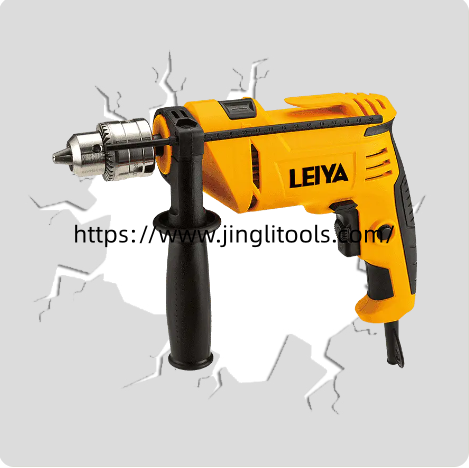
Drilling Machine operation can generate considerable heat when a tool works continuously under demanding workshop conditions. Some temperature increase is normal because the motor, transmission components, and cutting accessory all produce heat during operation. However, excessive temperature may indicate that the equipment is carrying too much load or that working conditions are limiting heat dissipation. Identifying the cause early can help operators adjust their process and reduce unnecessary stress.
Continuous Heavy Loading
One common reason for excessive heat is simply asking equipment to work under a heavy load for too long without a suitable cooling interval. Processing thick materials, using large accessories, or repeatedly making deep holes can increase motor demand. When the workload remains high, heat may accumulate faster than the housing and ventilation system can release it.
Operators should consider the actual workload instead of focusing only on operating time. Short pauses between demanding cycles can give internal components an opportunity to release accumulated heat. If the housing becomes unusually hot, allowing the equipment to cool before continuing can be a sensible operating practice.
Incorrect Speed or Feed Pressure
Speed selection has a direct relationship with heat generation. A setting that works well for a small bit in soft material may not be suitable for a larger accessory or harder workpiece. Excessive feed pressure can also increase resistance between the cutting edge and material.
Rather than forcing the tool through the workpiece, operators should select an appropriate speed and allow the accessory to remove material at a controlled rate. Matching speed and feed pressure with the material can reduce unnecessary friction and motor strain.
Worn or Unsuitable Accessories
A worn cutting accessory can create additional friction and require greater motor effort. The result may be slower cutting, increased vibration, and more heat around the working area.
Before starting a long production cycle, inspect the accessory for wear, damage, or an unsuitable size. A properly maintained accessory can help reduce unnecessary resistance. For metal applications, suitable cutting fluid may also help manage temperature around the contact area.
Restricted Airflow
Ventilation openings around the motor should remain clear of dust, chips, and other workshop debris. When airflow is restricted, heat generated inside the housing may not escape efficiently. This issue can become more noticeable in dusty environments or during extended production.
Regular cleaning should therefore become part of routine equipment care. Operators should follow the manufacturer's maintenance instructions and disconnect electrical equipment from its power source before carrying out cleaning or inspection.
5. Mechanical and Electrical Conditions
Overheating can sometimes point to a mechanical or electrical issue rather than an operating mistake. Worn bearings, incorrect belt tension, damaged components, poor electrical connections, or an unsuitable extension cord can place additional strain on the motor.
If unusual noise, vibration, burning odors, repeated shutdowns, or abnormal power loss appear together with excessive heat, continuing to operate the equipment may not be appropriate. A qualified technician can inspect the unit when the cause cannot be identified through normal maintenance.
Material and Accessory Matching
Different materials place different demands on workshop equipment. Hard metals, thick workpieces, composite materials, and dense surfaces can require different operating conditions. Using the same speed and pressure for every application may increase friction and heat.
Before beginning a production batch, consider material thickness, accessory diameter, required hole size, and expected operating time. This preparation allows operators to choose settings that fit the actual task instead of relying on a single routine for every job.
Give the Equipment Suitable Cooling Periods
Continuous operation does not always mean running without interruption. A practical work schedule can include short cooling periods between demanding cycles. The appropriate interval depends on workload, equipment design, ambient temperature, and operating conditions.
Workshops can also monitor how quickly the housing becomes warm during different tasks. If temperature rises noticeably faster during one particular application, operators can investigate the material, accessory, speed, pressure, or ventilation before continuing with the same process.
Choose Equipment According to Workshop Needs
Heat management begins before the equipment reaches the workshop. Buyers should consider expected workload, operating frequency, material types, available power, accessory compatibility, and maintenance requirements.
jinglitools offers power tools for various workshop applications, giving users different equipment options according to their working requirements. When evaluating a model, users can review its specifications, operating guidance, protection functions, and intended application before making a purchasing decision.
Create a Simple Maintenance Routine
A straightforward inspection routine can help identify potential problems early. Before operation, check the accessory, power connection, ventilation openings, and visible fasteners. During use, pay attention to unusual vibration, noise, temperature changes, or changes in cutting behavior.
After finishing a task, remove accumulated dust and chips and store the equipment according to its instructions. For workshops handling repeated production work, keeping a basic maintenance record can also help identify recurring patterns.
Conclusion
Overheating during continuous workshop use can result from several factors, including heavy loading, unsuitable speed, excessive pressure, worn accessories, restricted airflow, mechanical problems, and insufficient cooling intervals. Addressing these factors through appropriate operating habits and routine maintenance can help reduce unnecessary thermal stress.
When choosing equipment for repeated workshop tasks, consider the application rather than focusing on one specification alone. Review workload, operating frequency, accessory compatibility, maintenance requirements, and protection functions before making a decision. For more information about power tools and available product options from jinglitools, visit https://www.jinglitools.com/ and review the range according to your workshop requirements.

 English
 Arabic
 French
 Spanish
 Portuguese
 Turkish
 Dutch
Dutch
 Italiano
 Russian
 Romaian
 Portuguese (Brazil)
 Greek
Greek
