


Regenerative Medicine Clinic: Exploring Modern Approaches to Tissue Repair and Recovery
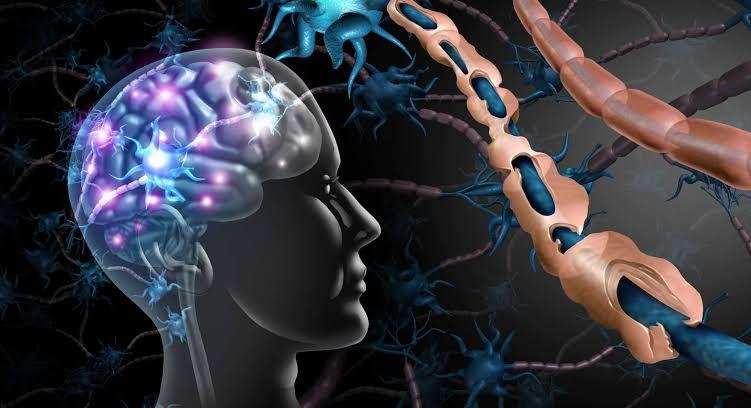
Regenerative medicine is becoming an increasingly discussed area of modern healthcare, focusing on approaches that aim to support the body’s natural ability to repair or restore damaged tissues. A regenerative medicine clinic provides specialized evaluation and treatment options for patients interested in regenerative therapies for certain orthopedic, musculoskeletal, and other health conditions.
Unlike conventional treatments that may primarily focus on managing symptoms, regenerative medicine explores biological approaches designed to support tissue healing. Depending on the patient’s condition, a clinic may offer therapies involving platelet-rich plasma (PRP), cellular-based treatments, or other regenerative techniques.
What Is a Regenerative Medicine Clinic?
A regenerative medicine clinic is a healthcare facility that specializes in evaluating patients for treatments intended to support the body’s natural repair processes. These clinics may work with patients experiencing joint discomfort, tendon injuries, sports-related injuries, or other conditions involving damaged or degenerative tissues.
Treatment options vary considerably between clinics and medical conditions. A qualified medical professional should determine whether a particular regenerative therapy is appropriate after reviewing the patient’s medical history, symptoms, physical examination, and diagnostic results.
How Does Regenerative Medicine Work?
The basic concept behind regenerative medicine is to use biological materials, cells, growth factors, or other therapeutic approaches to encourage healing and tissue repair.
For example, PRP therapy uses a concentrated preparation derived from a patient’s own blood. It contains platelets and other components that may play a role in the body’s natural healing response. Other regenerative approaches may involve cellular therapies, although the evidence, regulatory status, and appropriate applications can differ significantly between treatments.
Because regenerative medicine is a developing field, not every therapy has the same level of scientific evidence. Patients should discuss the potential benefits, limitations, risks, and alternatives with a qualified healthcare professional.
Conditions Commonly Evaluated
Regenerative medicine clinics may evaluate patients with a variety of musculoskeletal concerns, including:
- Osteoarthritis and joint degeneration
- Tendon and ligament injuries
- Certain sports injuries
- Chronic joint pain
- Cartilage-related problems
- Muscle injuries
- Some orthopedic conditions
However, regenerative medicine is not a universal solution. The suitability of treatment depends on factors such as the type and severity of the condition, overall health, previous treatments, and available clinical evidence.
Potential Benefits of Regenerative Therapies
One reason patients explore regenerative medicine is the possibility of supporting the body's natural healing mechanisms. Some therapies may also offer minimally invasive alternatives to certain conventional procedures.
Potential advantages can include reduced recovery time for selected procedures, the use of a patient's own biological material in some treatments, and a personalized approach to evaluating the underlying condition.
Importantly, these potential benefits should not be interpreted as guaranteed outcomes. Results can vary from one patient to another, and some regenerative treatments remain under active scientific investigation.
Choosing the Right Regenerative Medicine Clinic
Selecting a reputable regenerative medicine clinic is an important part of the treatment process. Patients should consider the qualifications and experience of the medical professionals, the clinic’s approach to diagnosis, the scientific evidence supporting its treatments, and the transparency of its claims.
A trustworthy clinic should explain the expected outcomes without promising guaranteed cures. It should also discuss possible risks, costs, alternative treatments, and whether the therapy is approved or considered experimental for a particular condition.
Patients should be cautious of clinics that advertise regenerative medicine as a guaranteed treatment for a wide range of unrelated diseases.
The Importance of Professional Evaluation
Before undergoing regenerative therapy, patients should receive a proper medical evaluation. A healthcare professional can determine whether symptoms are related to an injury, degenerative condition, inflammation, or another underlying problem.
Diagnostic imaging or laboratory testing may sometimes be necessary. This evaluation helps ensure that treatment decisions are based on the patient's specific medical circumstances rather than general claims about regenerative medicine.
The Future of Regenerative Medicine
Research in regenerative medicine continues to develop, with scientists investigating new ways to repair tissues and improve recovery. Advances in cell biology, tissue engineering, biomaterials, and related fields could potentially expand treatment options in the future.
At the same time, continued clinical research is essential for determining which therapies are safe, effective, and appropriate for specific medical conditions. Patients should therefore look for evidence-based information and discuss emerging treatments with qualified healthcare professionals.
Conclusion
A regenerative medicine clinic can provide specialized assessment and access to selected regenerative therapies that aim to support the body's natural healing processes. Treatments such as PRP and certain cellular approaches are being studied and used in different clinical settings, particularly for some musculoskeletal conditions.
Because regenerative medicine is a rapidly evolving field, patients should make treatment decisions based on professional medical advice, scientific evidence, and a clear understanding of potential benefits and risks. Choosing a qualified clinic that prioritizes accurate diagnosis, patient safety, and transparent communication can help patients make more informed healthcare decisions.

 Arabic
 French
 Spanish
 Portuguese
 Deutsch
 Turkish
 Dutch
Dutch
 Italiano
 Russian
 Romaian
 Portuguese (Brazil)
 Greek
Greek
