


The Buyer’s Guide: What to Look for (and Avoid) When Investing in Vintage Dining Tables and Chairs
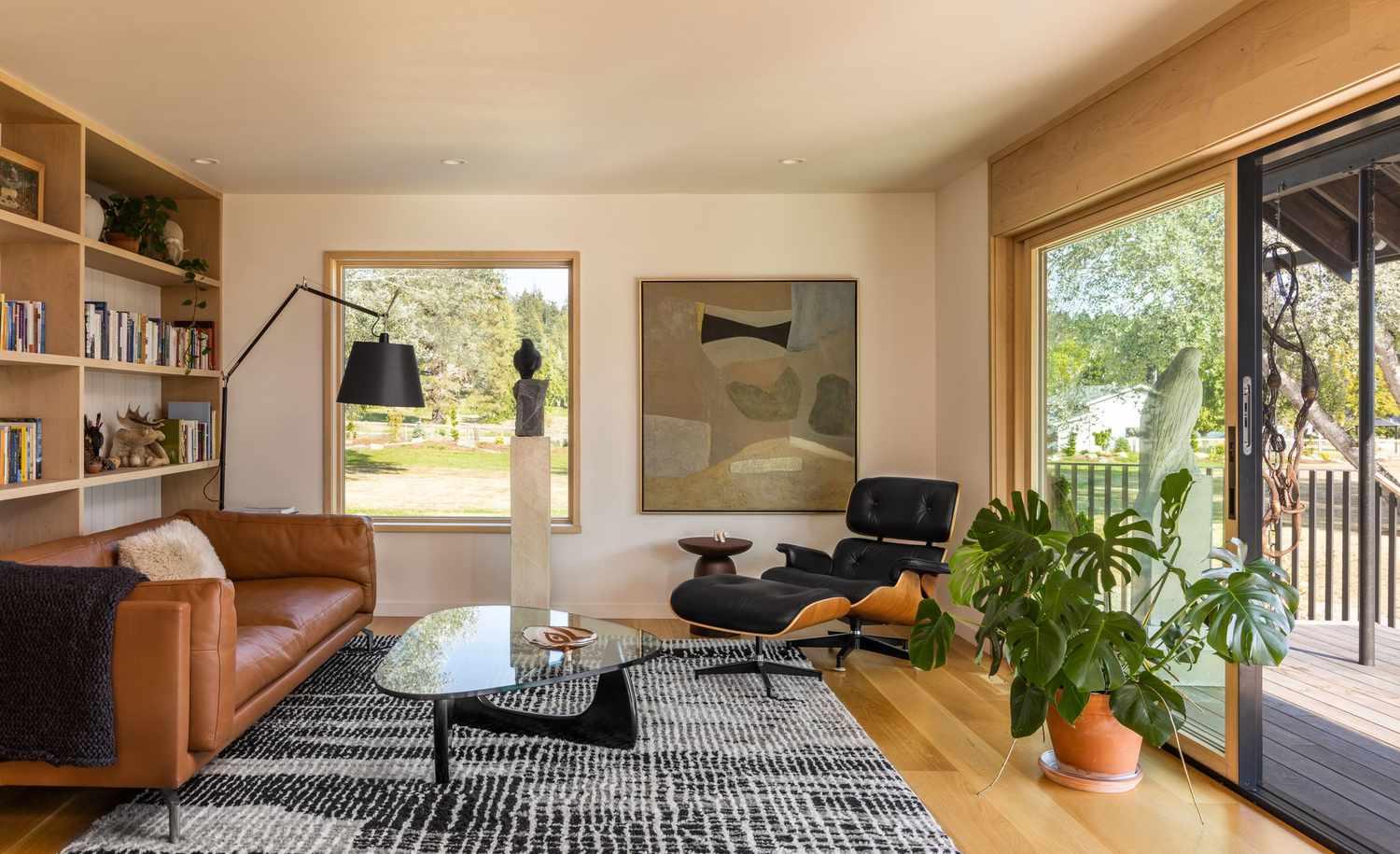
Buying vintage furniture can be an exciting way to bring character, craftsmanship, and history into a home. A well-chosen vintage dining table and chairs can serve as both functional furniture and a long-term design investment, especially when the pieces are well constructed and properly maintained. However, the vintage market includes everything from carefully preserved originals to heavily restored items and modern reproductions marketed with misleading descriptions. Understanding what to inspect before purchasing can help you spend your money wisely and avoid expensive surprises. Whether you are an experienced collector or buying your first vintage dining set, a careful evaluation is always worthwhile.
Understand What You Are Buying
Before considering condition or price, determine exactly what the seller is claiming about the furniture. Terms such as vintage, antique, retro, designer, reproduction, and vintage-inspired can describe very different products and should not be treated as interchangeable. Ask about the approximate production date, manufacturer, designer, materials, and history of the piece when that information is available. If the seller makes a specific attribution, look for supporting evidence such as labels, catalog references, documented dimensions, or recognizable construction details. Clear information about the furniture's identity gives you a stronger foundation for judging whether the asking price is reasonable.
Research should come from more than one source, particularly when the furniture is expensive or supposedly collectible. Compare photographs and measurements with reputable auction archives, established dealers, museum resources, historical catalogs, and manufacturer information when available. A seller's description can provide useful clues, but it should not be the only evidence supporting an important purchase. Famous designer names can significantly increase prices, which makes accurate identification especially important. Taking a little extra time to verify a piece can prevent you from paying a premium for a reproduction or incorrectly attributed item.
Inspect the Table for Structural Problems
The table's structural condition should be one of your highest priorities because repairs can become expensive when major components have deteriorated. Examine every leg, apron, joint, support, and connection point for movement or cracking. Gently test the table for stability, but avoid applying excessive force to an unfamiliar piece. Check whether extension leaves fit correctly and whether the opening mechanism operates smoothly if the table is expandable. Small scratches and surface marks may be acceptable signs of age, but serious structural weakness deserves careful consideration before purchase.
Pay particular attention to the tabletop and underside because these areas can reveal problems that are not obvious from a normal viewing angle. Look for warping, deep cracks, water stains, lifting veneer, previous patches, and signs of inappropriate modifications. Veneered furniture deserves special care because excessive sanding or moisture can cause permanent damage. The underside may also reveal manufacturer labels, construction techniques, screw types, or previous repairs that help establish the furniture's history. A beautiful surface cannot compensate for a table that is unstable or structurally compromised.
Examine the Chairs Carefully
Vintage chairs often experience more physical stress than tables because they are repeatedly moved, sat on, and leaned against. Before purchasing, check every chair individually rather than assuming that a matching set is in identical condition. Gently test the frame for looseness and inspect the legs, back supports, seat frame, and joints. Look underneath the seat for repairs, replacement hardware, or signs of structural deterioration. If a chair rocks or makes unusual noises, determine whether the problem is a straightforward repair or evidence of more serious damage.
Upholstery should also be examined because replacing fabric and padding can add considerably to the restoration cost. Check for stains, tears, odors, sagging cushions, damaged webbing, or deteriorated foam. Original upholstery may have historical significance on certain collectible pieces, while ordinary vintage chairs may benefit from professionally replaced fabric. Ask whether the upholstery has been changed and, if so, when and why. Knowing the restoration history allows you to judge the chair's condition accurately instead of assuming that everything you see is original.
Evaluate Materials and Craftsmanship
Quality materials can contribute substantially to the longevity and value of vintage furniture. Examine the wood grain, veneer, hardware, joinery, upholstery, and finish to determine whether they appear consistent with the claimed period and manufacturer. Natural variation in wood is normal, and older finishes may have developed a distinctive patina through decades of use. However, obvious material inconsistencies or poorly executed repairs may indicate that the piece has been heavily modified. Strong craftsmanship is usually visible in the details, including well-fitted joints, balanced proportions, carefully finished edges, and appropriate hardware.
Do not assume that solid wood automatically makes a piece more authentic or valuable. Many respected furniture manufacturers used high-quality veneers because they provided attractive grain patterns while allowing efficient material use. Plywood and other engineered materials were also important to modern furniture production and can be part of an entirely authentic vintage design. Instead of judging furniture by one material alone, consider the complete construction method. The combination of materials, design, craftsmanship, manufacturer history, and condition provides a much more reliable assessment.
Know What Signs of Wear Are Acceptable
Some signs of age are part of what makes vintage furniture attractive. Small surface scratches, minor color variation, gentle edge wear, and natural changes in the finish can contribute to the character of an older piece. These marks do not necessarily reduce its usefulness or appeal. In some cases, aggressive restoration can actually remove the visual evidence of age that collectors value. The right level of wear depends on your priorities, whether you want a historically authentic piece, a fully restored dining set, or simply furniture with vintage character.
More serious damage should not be dismissed as “patina.” Active woodworm or insect damage, extensive water exposure, severe cracking, unstable joints, mold, or major veneer loss can require specialized treatment. Strong odors may also indicate moisture or storage problems that are difficult to eliminate. If you cannot confidently determine the cause of a condition issue, ask a qualified furniture restorer for an assessment. A low purchase price can become expensive very quickly when extensive structural or conservation work is necessary.
Avoid Common Vintage Furniture Buying Mistakes
One common mistake is purchasing furniture based solely on appearance without checking measurements. A table that looks perfect online may be too large for your dining room, while chairs may not provide enough clearance beneath the tabletop. Measure the room, doorway, stairways, elevators, and intended furniture footprint before finalizing the purchase. Remember to account for chair clearance because people need considerably more space when seated and moving around the table. Practical planning can prevent an otherwise beautiful purchase from becoming difficult to use.
Another mistake is assuming that an expensive price proves authenticity. Some reproductions and contemporary interpretations are marketed using vague language designed to create an impression of rarity or historical importance. Be cautious when a seller cannot explain the item's origin or provides inconsistent information about its age. Likewise, do not assume that every old-looking surface is naturally aged because modern furniture can be artificially distressed. Authenticity should be established through multiple clues rather than a high price, attractive photographs, or confident marketing language.
Consider Restoration and Maintenance Costs
A vintage piece that needs minor restoration can sometimes offer excellent value, but the expected cost should be included in your buying decision. Ask yourself whether the furniture needs refinishing, structural repairs, upholstery work, hardware replacement, or veneer restoration. Obtain estimates when major work is involved, especially if you do not have the tools or experience to complete the repairs yourself. Some restoration tasks are relatively straightforward, while others require specialist knowledge and equipment. Understanding the likely total cost helps you compare an imperfect vintage piece with a more expensive example that is already in excellent condition.
Maintenance should also influence your decision because vintage furniture may require more attentive care than new mass-produced products. Wood can respond to changes in temperature and humidity, while older finishes may be more sensitive to harsh cleaning products. Use appropriate protective measures and avoid exposing the furniture to excessive moisture, heat, or direct sunlight. If you plan to use the dining set every day, consider whether its current condition can realistically handle that level of use. A piece should be chosen not only for its beauty but also for its compatibility with your lifestyle.
Look at Provenance and Authenticity
Provenance can be especially valuable when buying a notable designer piece. Original receipts, old photographs, dealer records, catalogs, estate documentation, and previous ownership information may help establish where a piece came from. Not every vintage table or chair will have extensive documentation, and a lack of paperwork does not automatically make an item suspicious. However, stronger documentation can increase confidence when the furniture carries a significant price or collectible reputation. For high-value purchases, professional authentication or appraisal may be a sensible additional step.
Pay attention to labels and markings, but do not rely on them in isolation. Manufacturer labels can be replaced, removed, copied, or damaged over time, while some authentic furniture was never extensively labeled. Compare markings with known examples and examine whether the furniture's construction and dimensions match the attributed design. If the label says one thing but the physical characteristics suggest another, investigate before buying. A credible attribution should make sense as a complete package rather than depending on one small sticker or stamp.
Consider How the Furniture Fits Your Interior
Investment does not always mean buying the rarest or most expensive piece available. A vintage dining table and chairs that work beautifully within your home may provide more lasting value than an important collectible that is uncomfortable or impractical. Consider the room's size, flooring, lighting, wall colors, and existing furniture before selecting a dining set. Natural wood can bring warmth to minimalist interiors, while sculptural chairs can add personality to a more restrained room. The best furniture should feel connected to your space rather than looking like an isolated display object.
You can also create a cohesive interior by mixing vintage furniture with contemporary accessories. Simple lighting, artwork, rugs, and functional objects can help bridge different design periods. For example, a carefully selected collection of designer desk accessories can complement the broader aesthetic of a home office without requiring every room to contain vintage furniture. This kind of selective styling keeps the home practical while allowing individual vintage pieces to remain focal points. Good interior design is often about relationships between objects rather than strict adherence to one period.
Final Checklist Before You Buy
Before completing a purchase, review the furniture one final time with both practical and financial considerations in mind. Confirm the exact dimensions, construction condition, authenticity claims, restoration history, and final price, including delivery and potential repair expenses. If possible, inspect the furniture in person under natural light and from several angles. Ask questions that the listing or seller description does not answer clearly. If something feels inconsistent, take time to investigate rather than allowing excitement or urgency to influence the decision.
A worthwhile vintage purchase should satisfy several conditions at once: it should be functional, structurally sound or realistically repairable, appropriately priced, and suitable for your home. It does not need to be flawless, and it does not have to carry a famous designer's name to be valuable to you. Good craftsmanship, useful proportions, attractive materials, and honest history can make an ordinary vintage piece remarkably rewarding. By approaching the purchase as both a design decision and a practical evaluation, you can enjoy your furniture with far greater confidence.
Conclusion
Investing in vintage dining furniture requires patience, research, and a willingness to look beyond surface appearance. Examine the table and chairs for structural integrity, material quality, authenticity clues, restoration work, and signs of serious damage before considering whether the style suits your home. Avoid vague claims, artificially aged finishes, unverified designer attributions, and purchases that require more restoration than your budget or experience allows. Consider how the furniture will function in everyday life and how it will interact with your existing decor, including contemporary pieces and designer desk accessories. With careful evaluation, a vintage dining set can become a practical, distinctive, and enduring addition to your home.

 English
 Arabic
 French
 Portuguese
 Deutsch
 Turkish
 Dutch
Dutch
 Italiano
 Russian
 Romaian
 Portuguese (Brazil)
 Greek
Greek
