


Emergency Roof Repair and Roof Leak Repair: A Practical Guide for Homeowners
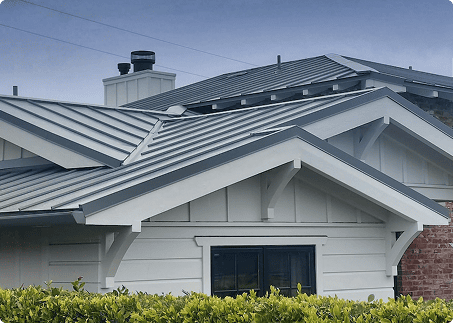
A roof protects your home from rain, wind, heat, and other outdoor conditions. When it becomes damaged, even a small problem can create bigger concerns if it is not addressed promptly. A loose shingle, damaged flashing, or small opening may allow water to enter the home, especially during heavy rain.
Knowing when you need emergency roof repair and understanding how roof leak repair works can help you respond calmly when a roofing problem occurs. Acting quickly can reduce the chance of additional property damage and may help prevent a minor issue from becoming a more expensive repair.
This guide explains common causes of roof emergencies, warning signs, immediate steps to take, repair options, and ways to reduce the risk of future problems.
What Is Emergency Roof Repair?
Emergency roof repair is urgent roofing work needed when damage creates an immediate risk to the home. The goal is to protect the property from additional damage while determining the most appropriate long term solution.
Not every roofing problem is an emergency. A missing shingle that has not allowed water inside may still need attention, but it may not require immediate service. However, an active roof leak, significant storm damage, a large opening, or a partially collapsed section can require prompt professional attention.
Emergency repairs may sometimes involve temporary protection first. This allows the roofing professional to reduce water entry and protect the structure until permanent repairs can be safely completed.
Common Causes of Roofing Emergencies
Roof damage can happen for many reasons. Severe weather is one of the most common causes, especially in areas that experience strong winds, heavy rain, hail, or storms.
Wind can loosen or remove shingles, while hail may leave cracks, dents, or other damage. Falling branches can puncture roofing materials and create openings through which water can enter.
Age is another factor. Roofing materials naturally become less effective over time. Older roofs may be more vulnerable to leaks because shingles, flashing, seals, and other components can deteriorate.
Poor installation or previous repairs can also contribute to roofing problems. If an earlier repair did not address the underlying cause, water may eventually find another path into the structure.
How to Recognize a Roof Leak
Some roof leaks are easy to identify, while others develop slowly and remain hidden for a period of time. A water stain on a ceiling is often one of the first visible signs.
However, homeowners should also pay attention to less obvious warning signs. A musty smell in an attic, damp insulation, peeling paint, bubbling surfaces, or unexplained moisture can indicate a roofing problem.
Water does not always appear directly below the point where it enters the roof. It can move along roofing materials, framing, or other surfaces before becoming visible inside the home. This is why simply sealing the area where a stain appears may not solve the actual problem.
What Should You Do During a Roof Emergency?
When water begins entering your home, safety should come first. Do not climb onto a damaged or wet roof to investigate the problem yourself. Roofing surfaces can become extremely slippery, and storm damage may create unstable areas.
Inside the home, move furniture and other belongings away from the affected area when it is safe. If water is near electrical outlets, fixtures, or appliances, avoid contact with the affected area and seek appropriate professional assistance.
Homeowners can take several practical steps while waiting for professional help:
- Place a container beneath an active drip and protect nearby belongings if it is safe.
- Take photographs or videos of visible damage for your records.
- Contact a qualified roofing professional for an inspection.
- Keep people away from areas that may be unsafe because of water or structural damage.
These actions can help reduce further problems while you wait for the roof to be assessed.
Why Professional Roof Leak Repair Is Important
A roof leak may appear small from inside the home, but the actual problem can be larger. Water can enter through damaged shingles, deteriorated flashing, roof penetrations, or other areas and travel before becoming visible.
Professional roof leak repair starts with finding the source of the water. A roofer can inspect the roof surface and surrounding areas to determine what needs attention.
The repair method depends on the type and extent of damage. A localized problem may be repaired without replacing a large portion of the roof. If several areas are deteriorated, however, additional work may be necessary.
A proper repair should address the cause of the leak rather than simply covering the visible interior stain.
Temporary Emergency Repairs
In some situations, weather conditions or the extent of damage may prevent permanent repairs from being completed immediately. A temporary repair can help protect the property until the roof can be repaired properly.
Temporary protection may involve covering an exposed area or securing damaged roofing materials. The exact approach depends on the condition of the roof and the safety of the work area.
It is important to understand that temporary protection is not necessarily a permanent repair. Once conditions are suitable, the roof should receive a proper inspection and the recommended permanent work should be completed.
When Is a Roof Leak a Serious Problem?
Not every leak causes immediate major damage, but any unexplained water entry deserves attention. Repeated exposure to moisture can affect ceilings, walls, insulation, and other parts of the home.
A leak may also become worse during the next storm. What begins as a small opening can allow significantly more water into the home when rain and wind increase.
A roofing professional can assess the situation and help determine how urgent the repair is. This can give homeowners a clearer understanding of what needs to be done instead of relying on guesswork.
How Roofing Professionals Assess Damage
A professional inspection generally involves looking at the visible roofing materials as well as areas that may contribute to water entry. The roofer may examine shingles, flashing, vents, roof edges, drainage areas, and other vulnerable points.
The condition of the roof as a whole is also important. If the surrounding materials are in good condition, a localized repair may be appropriate. If there is widespread deterioration, the homeowner may need to consider more extensive roofing work.
A trustworthy contractor should explain the findings in simple terms and provide a clear description of the recommended work.
What Affects Roof Leak Repair Costs?
The cost of roof leak repair depends on the specific circumstances. There is no universal price because every roof has different materials, dimensions, accessibility, and damage.
Factors that may affect the cost include the location of the leak, size of the damaged area, roofing material, extent of water damage, labor requirements, and whether emergency service is needed.
Homeowners should request a clear estimate before authorizing significant work. The estimate should explain what will be repaired and whether additional issues were found during the inspection.
Choosing a contractor solely because of the lowest price can sometimes create problems. A proper repair should focus on quality, safety, and addressing the underlying cause.
How to Reduce the Risk of Future Roof Leaks
Regular maintenance can help homeowners discover roofing problems before they become emergencies. Inspections can be especially useful after severe weather or when the roof begins showing signs of age.
Keeping drainage systems clear can also help prevent water from collecting around vulnerable areas. Homeowners should watch for missing or damaged shingles, deteriorating flashing, blocked gutters, and signs of moisture inside the property.
A professional inspection can provide a better understanding of the roof's condition and whether repairs are needed.
When Should You Call for Emergency Roof Repair?
Immediate professional attention may be appropriate when there is active water entering the home, major storm damage, a large opening in the roof, extensive missing roofing materials, or another condition that leaves the property exposed.
Homeowners should not attempt complex roof repairs without the necessary training and equipment. Climbing onto a roof during or immediately after severe weather can create serious safety risks.
Getting professional help quickly can make it easier to control the problem and determine whether temporary protection or permanent roof leak repair is needed.
Conclusion
Roof damage can be stressful, but taking the right steps can help protect your home. When a roof develops an active leak or suffers significant storm damage, prompt emergency roof repair can reduce the risk of additional property damage. Even smaller leaks should receive attention because moisture can spread beyond the area that is immediately visible.
Professional roof leak repair should focus on identifying the source of the problem and correcting it appropriately. Regular inspections and maintenance can also help homeowners catch developing issues before they become urgent.
For homeowners who need dependable assistance with roofing concerns, Blue Rock Roofing & Construction can help evaluate roofing problems and determine an appropriate repair solution based on the condition of the property.

 English
 Arabic
 French
 Spanish
 Portuguese
 Deutsch
 Turkish
 Dutch
Dutch
 Russian
 Romaian
 Portuguese (Brazil)
 Greek
Greek
