


Roof Inspection Services: What Wichita Homeowners Should Know
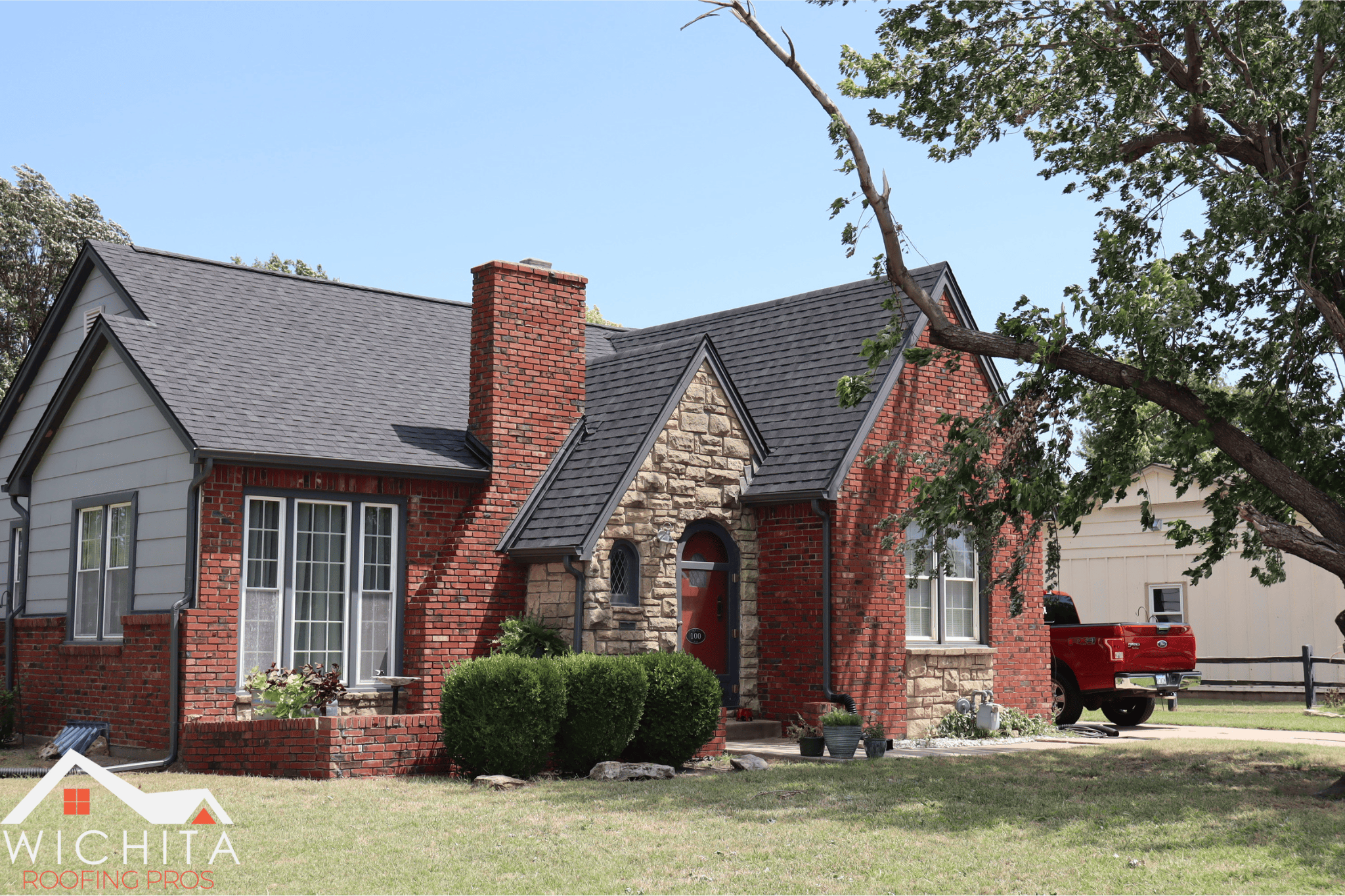
Your roof does more than complete the look of your home. It protects your family, furniture, walls, insulation, and other parts of the property from rain, wind, hail, sunlight, and changing weather conditions. Because roofing problems can become more expensive when ignored, knowing when to arrange roof inspection services and when to consider roof installation services is important for every homeowner.
A professional roofing assessment can help you understand the condition of your roof and make decisions based on its actual needs. Whether your roof has visible damage, is getting older, or you are planning a replacement, taking the time to understand your options can make the process easier and more manageable.
Why Roof Inspections Are Important
Roof problems are not always obvious. A small opening around flashing or a damaged shingle may allow moisture to enter without creating an immediate leak inside the home. Over time, that moisture can affect roofing materials and other parts of the property.
Regular inspections can help identify concerns before they become larger problems. A qualified roofing professional can evaluate visible roofing materials, flashing, roof edges, drainage areas, vents, and other accessible components.
For Wichita homeowners, inspections can be particularly useful after strong winds, hail, or other severe weather. Storm damage may not always be visible from the ground, so a closer professional assessment can provide a better understanding of the roof's condition.
When Should You Schedule a Roof Inspection?
There is no need to wait for a major leak before arranging an inspection. Different situations can make a professional roof evaluation worthwhile.
After Severe Weather
Hail and high winds can damage shingles, flashing, vents, and other roofing components. Some damage may be subtle at first. Having the roof checked after a significant storm can help identify concerns while they are still easier to address.
When You Notice Warning Signs
Visible changes around your roof can indicate that an inspection is needed. Signs worth paying attention to include:
- Missing, cracked, curling, or damaged shingles, visible granules in gutters, damaged flashing, stains on ceilings or walls, sagging areas, or water marks.
- An inspection can also be useful when your roof is older, you are preparing to sell your home, you recently purchased a property, or you are uncertain whether a roofing problem requires repair or replacement.
These signs do not automatically mean that you need a new roof. The purpose of an inspection is to determine what is actually happening and what type of solution may be appropriate.
What Does a Professional Roof Inspection Include?
A thorough inspection should involve more than simply looking at the roof from the street. The exact process depends on the roof's design, condition, accessibility, and other property factors.
A roofing professional may examine shingles or other roof coverings, flashing, visible vents, roof edges, drainage components, and areas where different materials connect. They may also look for signs of moisture, deterioration, storm damage, or installation problems.
After the inspection, the findings should be explained in clear language. If a problem exists, you should understand where it is located, how serious it appears to be, and whether repair, maintenance, or replacement may be appropriate.
A professional inspection does not automatically mean that you need roof installation services. In many situations, a limited repair may be enough.
Understanding Roof Installation Services
Roof installation services are generally needed when constructing a new home or replacing an existing roofing system. Replacement may become necessary when a roof has reached the end of its practical service life or has widespread damage that makes continued repairs less sensible.
Roof installation is a major home improvement project, so homeowners should understand what they are paying for before work begins.
Depending on the project, installation may involve removing existing roofing materials, preparing the roof surface, replacing damaged decking where necessary, installing underlayment and flashing, placing new roofing materials, and completing finishing and cleanup work.
The exact steps vary according to the roofing material, roof design, manufacturer's requirements, local building requirements, and the contractor's agreed scope of work.
Choosing the Right Roofing Material
Roofing materials come in different styles, price ranges, appearances, and expected service lives. Asphalt shingles are widely used for residential properties, while metal roofing and other materials may be suitable for certain homes.
The best choice should be based on the property's structure, local weather conditions, maintenance expectations, appearance, budget, and long term goals.
A trustworthy contractor should explain the available options instead of pushing one material without discussing your specific needs. It is also important to review manufacturer information and warranty terms before making a final decision.
Roof Installation After Storm Damage
Severe weather can sometimes create a difficult situation for homeowners. You may notice missing shingles, damaged roofing materials, dents, or other visible concerns after a storm.
If you suspect storm damage, avoid climbing onto the roof yourself unless you are trained and properly equipped. From the ground, document visible issues when it is safe to do so and contact a qualified professional for an assessment.
If you plan to submit an insurance claim, contact your insurance company and understand your policy requirements. A roofing inspection can provide useful information about the condition of the roof, but an inspection does not guarantee that an insurance claim will be approved.
Insurance decisions depend on the policy, covered causes of damage, exclusions, deductibles, and the circumstances of the loss.
How to Select a Roofing Contractor
Selecting a roofing contractor should involve more than comparing the lowest price. The quality of the work, materials, communication, and written agreement can all affect the overall value of your project.
Before hiring a contractor, look for appropriate credentials, insurance coverage, a clear written estimate, references, warranty information, and a detailed description of the work.
Review the Written Estimate
A written estimate should make it easier to understand the expected cost and scope of the project. Ask whether the estimate includes labor, materials, removal of old roofing, disposal, cleanup, flashing work, and other necessary services.
If two contractors provide very different prices, compare the details rather than focusing only on the final number. A lower estimate may leave out important work or use different materials.
Questions to Ask Before Roof Installation
Good communication before installation can prevent misunderstandings later. Homeowners should feel comfortable asking questions about materials, preparation, timelines, warranties, payment terms, and cleanup.
Ask the contractor to explain what happens if damaged decking or another unexpected problem is discovered after the existing roofing material is removed. You should also understand whether additional work requires your approval before it is performed.
It is useful to clarify the difference between a manufacturer's product warranty and a contractor's workmanship warranty. They may cover different issues and have different conditions.
If permits or inspections are required for your project, ask who will handle those responsibilities and whether the expected costs are included in the agreement.
Repair or Replacement: Which Is Right?
Not every roofing problem requires a complete replacement. If the roofing system is generally in good condition and the damage is limited, repair may be a reasonable solution.
Replacement may be more appropriate when damage is widespread, the roof is significantly deteriorated, leaks keep returning, or the roofing system is nearing the end of its useful life.
The decision should be based on the roof's condition rather than pressure or assumptions. A detailed inspection can help you understand the available choices.
Keep Your Roof in Good Condition
Even a newly installed roof benefits from regular attention. Keeping drainage areas clear, watching for visible changes, addressing problems promptly, and arranging professional inspections when appropriate can help protect your investment.
After severe weather, take a few minutes to look for obvious signs of damage from the ground. If something looks unusual, having it evaluated sooner may help prevent a small concern from becoming a larger roofing problem.
Conclusion
Understanding the difference between roof inspection services and roof installation services can help Wichita homeowners make better decisions about their properties. An inspection provides valuable information about the roof's current condition, while installation provides a new roofing system when replacement is appropriate.
For homeowners seeking professional roofing assistance, Wichita Roofing Pros can be considered when evaluating inspection and installation options. A clear assessment, written estimate, quality materials, and open communication can help make your roofing project more predictable and give you greater confidence in protecting your home.

 English
 Arabic
 French
 Spanish
 Portuguese
 Deutsch
 Turkish
 Italiano
 Russian
 Romaian
 Portuguese (Brazil)
 Greek
Greek
