


Spine Pain Treatment in Mumbai: Understanding Causes, Treatment Options, and the Road to Recovery
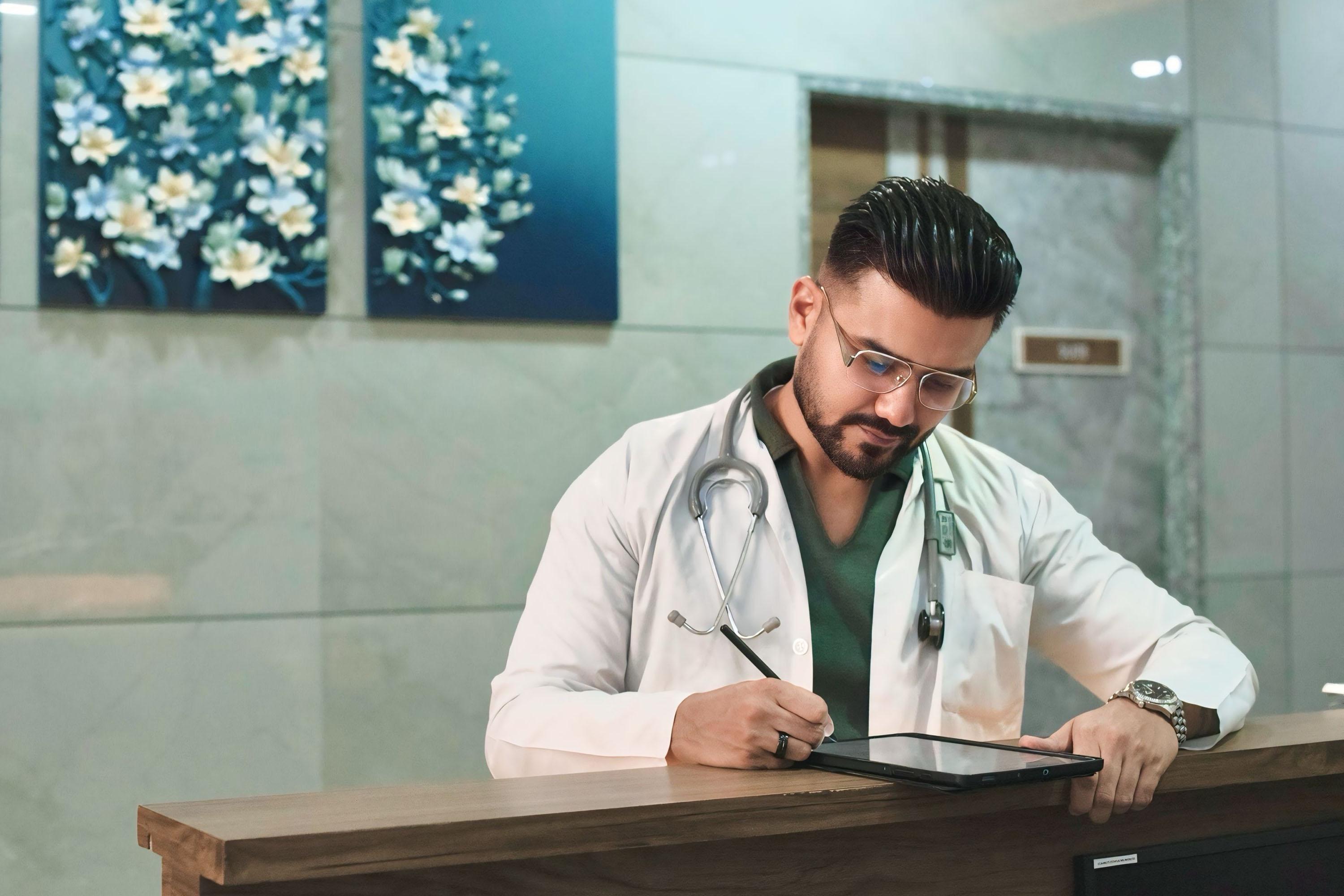
Spine pain is one of those problems that can quietly take over everyday life. A simple activity such as sitting at a desk, driving through Mumbai traffic, climbing stairs, or even getting out of bed can become uncomfortable when your back or neck is hurting. While occasional discomfort may improve with rest, persistent or recurring pain deserves proper medical attention. Finding the right spine pain treatment in Mumbai starts with understanding what is causing the pain rather than simply trying to manage the symptoms.
For people dealing with back or spine-related problems, an experienced orthopaedic specialist can help identify the underlying issue and recommend a treatment plan suited to the individual's condition, lifestyle, and recovery goals. Dr. Ankit Meshram provides orthopaedic care in Mumbai, including evaluation and treatment of spine-related pain, with an approach that considers both conservative and advanced treatment options.
Why Spine Pain Should Not Be Ignored
Back pain is extremely common, but that does not mean it should always be treated as something that will simply disappear. Pain may develop because of poor posture, prolonged sitting, muscle strain, an injury, age-related changes, or problems affecting the discs and nerves.
Mumbai's fast-paced lifestyle can also contribute to back discomfort. Long commutes, extended hours at a computer, physically demanding jobs, limited exercise, and improper lifting techniques can all place additional stress on the spine.
Some people experience pain for a few days, while others may struggle with symptoms for months. Persistent pain can gradually affect sleep, concentration, work, exercise, and overall quality of life.
The important thing is to understand that spine pain is not one single condition. Different causes require different approaches to treatment.
Common Causes of Spine Pain
There are several possible reasons behind back and spine pain. A proper clinical assessment is important because the same symptom can have different causes in different people.
Muscle Strain
Muscle strain can occur after lifting something heavy, exercising incorrectly, making a sudden movement, or maintaining an uncomfortable posture for a long period. It can cause localized pain, stiffness, and difficulty moving normally.
Slipped or Herniated Disc
The discs between the vertebrae act as cushions for the spine. When a disc becomes damaged or displaced, it can sometimes irritate nearby nerves. Depending on the location, this may cause back pain along with discomfort that travels into the leg or arm.
Sciatica
Sciatica generally refers to pain associated with irritation or compression of the sciatic nerve. People may experience pain extending from the lower back into the buttock and leg. Numbness, tingling, or weakness can sometimes accompany the pain.
Poor Posture
Spending long hours sitting with inadequate back support can gradually place stress on the spine. Looking down at a phone for extended periods or working at a poorly arranged desk may also contribute to neck and upper-back discomfort.
Degenerative Spine Conditions
As people age, structures within the spine can undergo natural changes. In some individuals, these changes may contribute to stiffness, pain, reduced mobility, or nerve-related symptoms.
Dr. Ankit Meshram's clinic specifically lists slip disc, sciatica, muscle strain, postural problems, and degenerative spine conditions among the causes of back pain addressed through its orthopaedic care.
When Should You See an Orthopaedic Specialist?
Not every episode of back pain requires specialist treatment. However, if pain continues, repeatedly returns, becomes worse, or begins affecting normal activities, getting a professional assessment is a sensible step.
You should consider consulting an orthopaedic specialist if you experience:
-
Persistent or recurring back pain
-
Pain that interferes with everyday activities
-
Stiffness or restricted movement
-
Pain following an accident or injury
-
Pain that travels into the arms or legs
-
Numbness or tingling
-
Weakness associated with the pain
-
Difficulty walking or maintaining normal movement
The clinic's guidance recommends orthopaedic consultation when persistent pain, swelling, stiffness, or reduced mobility does not improve with rest and home care over a period of weeks.
Severe or sudden symptoms, especially after significant trauma or when accompanied by serious neurological or bladder/bowel symptoms, require prompt medical evaluation.
What Happens During a Spine Pain Consultation?
Many people feel nervous before visiting a specialist because they assume they will immediately be advised to undergo surgery. In reality, treatment usually begins with understanding the problem.
A typical evaluation may involve discussing your symptoms, how long they have been present, what makes them better or worse, your medical and injury history, and how the pain affects your daily activities.
A physical examination can help the doctor assess movement, tenderness, strength, reflexes, and other relevant signs. Depending on the symptoms, imaging or other investigations may be recommended.
The goal is to establish a clearer picture of the condition before deciding on treatment.
Dr. Ankit Meshram describes the treatment journey as consultation, diagnosis, personalized treatment planning, and guided recovery or rehabilitation.
Non-Surgical Spine Pain Treatment
One of the most important things patients should understand is that spine pain does not automatically mean surgery.
Depending on the diagnosis, many patients can initially be managed with non-surgical approaches. These may include prescribed medication, physiotherapy, activity modification, posture correction, and rehabilitation.
Physiotherapy can be particularly useful when appropriate because it can focus on improving strength, flexibility, movement patterns, and functional ability.
Lifestyle changes can also make a difference. A person who spends eight or ten hours sitting every day may need to reconsider their workstation, movement breaks, exercise routine, and sitting habits.
The clinic notes that many orthopaedic problems can be managed conservatively through approaches such as physiotherapy, medication, and lifestyle modification, with surgery considered when non-surgical treatment does not provide adequate relief or when the condition requires it.
The Importance of Posture and Daily Habits
Treatment does not end with a doctor's appointment. Everyday habits can influence how the spine feels and functions.
If you work at a desk, try to maintain a comfortable working position with appropriate support. Avoid remaining in the same position for hours without movement. Short breaks to stand, walk, and change position can be helpful.
When lifting objects, avoid careless bending and twisting. Use appropriate technique and ask for help with heavy loads when necessary.
Regular physical activity can also support general musculoskeletal health. However, exercises should be appropriate for your condition. If you already have significant pain or a diagnosed spinal problem, it is better to discuss exercise with a qualified professional rather than suddenly starting an intense workout.
When Is Advanced Treatment Considered?
Sometimes conservative treatment may not provide sufficient relief. In such situations, further evaluation is necessary to determine whether another form of intervention is appropriate.
The treatment decision depends on several factors, including the diagnosis, severity of symptoms, duration of the problem, impact on daily life, clinical findings, and response to earlier treatment.
Advanced treatment should never be selected simply because it sounds more modern. The right treatment is the one that is medically appropriate for the individual patient.
This patient-specific approach is important in orthopaedic care. Dr. Ankit Meshram's practice states that treatment plans are individualized, ranging from conservative measures to advanced surgical options when required.
Why Choosing the Right Spine Specialist Matters
When searching online for spine pain treatment in Mumbai, patients may find a large number of doctors, clinics, and treatment options. It can be difficult to know where to begin.
Experience is certainly important, but it is not the only factor. Patients should also look for a specialist who listens carefully, explains the diagnosis clearly, discusses available options, and does not rush into unnecessary procedures.
A good consultation should leave you with a better understanding of what is happening and what the next step should be.
Dr. Ankit Meshram is an orthopaedic and robotic joint replacement surgeon with more than 15 years of clinical experience. His practice covers several areas of orthopaedic care, including spine-related pain, sports injuries, joint conditions, trauma, and non-surgical treatment.
A Personalized Approach to Recovery
Every patient's spine problem is different. A young professional with posture-related back pain may need a very different plan from an older adult with degenerative spinal changes. Similarly, an athlete with an injury cannot necessarily follow the same rehabilitation plan as someone recovering from prolonged inactivity.
That is why personalized treatment matters.
The objective should not simply be to reduce pain temporarily. Whenever possible, treatment should also address the factors contributing to the problem and help the patient regain confidence in movement.
Recovery may involve medication, physiotherapy, gradual strengthening, lifestyle changes, or other interventions depending on the diagnosis.
Why Early Evaluation Can Make a Difference
Many people delay seeing a doctor because they hope the pain will disappear on its own. Sometimes it does. But if symptoms continue or keep returning, repeated self-treatment may not address the underlying cause.
Early evaluation can provide clarity. Instead of wondering whether the pain is due to a muscle strain, disc problem, posture, or another condition, a patient can receive professional guidance about what may actually be happening.
This does not mean every person with back pain needs extensive testing or treatment. It means that persistent symptoms should be assessed appropriately.
Finding Spine Pain Treatment in Mumbai
Mumbai has many healthcare options, but convenience should not be the only consideration when choosing an orthopaedic specialist. Look for experience, a clear diagnostic process, personalized treatment planning, and appropriate follow-up care.
Dr. Ankit Meshram provides orthopaedic consultations in Malad West, Mumbai, at Criti Care Asia Multispeciality Hospital on New Link Road, Mindspace. The clinic's website provides consultation and contact information for patients seeking orthopaedic evaluation.
Whether your symptoms are related to sciatica, a slipped disc, muscle strain, posture, or degenerative spine problems, the first step is understanding the cause.
Frequently Asked Questions
Can spine pain be treated without surgery?
Yes. Depending on the cause and severity, many spine-related conditions can initially be managed through conservative treatment such as medication, physiotherapy, activity modification, and lifestyle changes. Surgery is generally considered when it is medically necessary or when appropriate non-surgical measures have not provided sufficient improvement.
Is sciatica the same as ordinary back pain?
No. Sciatica involves irritation or compression affecting the sciatic nerve and may cause pain that travels from the lower back into the buttock and leg. Proper assessment helps determine the underlying cause.
Can poor posture cause back pain?
Poor posture can contribute to muscle fatigue and stress on the spine, particularly when maintained for long periods. Improving workstation setup, taking movement breaks, and maintaining appropriate physical activity may help.
Should I exercise when I have back pain?
It depends on the cause and severity of the pain. Some forms of movement can be beneficial, while certain activities may aggravate an underlying condition. If your pain is persistent or significant, seek professional guidance before starting an intensive exercise program.
How can I find appropriate spine pain treatment in Mumbai?
Start by consulting a qualified orthopaedic specialist who can evaluate your symptoms and determine the likely cause. Treatment should then be based on your diagnosis, symptoms, lifestyle, and response to previous care.
Conclusion
Spine pain can affect much more than the back itself. It can change the way you work, sleep, exercise, travel, and enjoy everyday life. The good news is that many spinal and back-related problems can be managed effectively when they are properly assessed and treated.
The right spine pain treatment in Mumbai is not necessarily the most aggressive treatment. It is the treatment that matches the actual condition and the patient's individual needs. For some people, that may involve physiotherapy and lifestyle changes. For others, additional interventions may be required.
If persistent back pain, sciatica, a suspected slipped disc, or another spine-related problem is interfering with your daily life, consider arranging an orthopaedic evaluation rather than continuing to ignore the symptoms. Dr. Ankit Meshram offers personalized orthopaedic care in Mumbai, with treatment options ranging from conservative management to advanced procedures when clinically appropriate.

 English
 French
 Spanish
 Portuguese
 Deutsch
 Turkish
 Dutch
Dutch
 Italiano
 Russian
 Romaian
 Portuguese (Brazil)
 Greek
Greek
