


Why Kioxia Drives Matter for High-Performance Data Storage
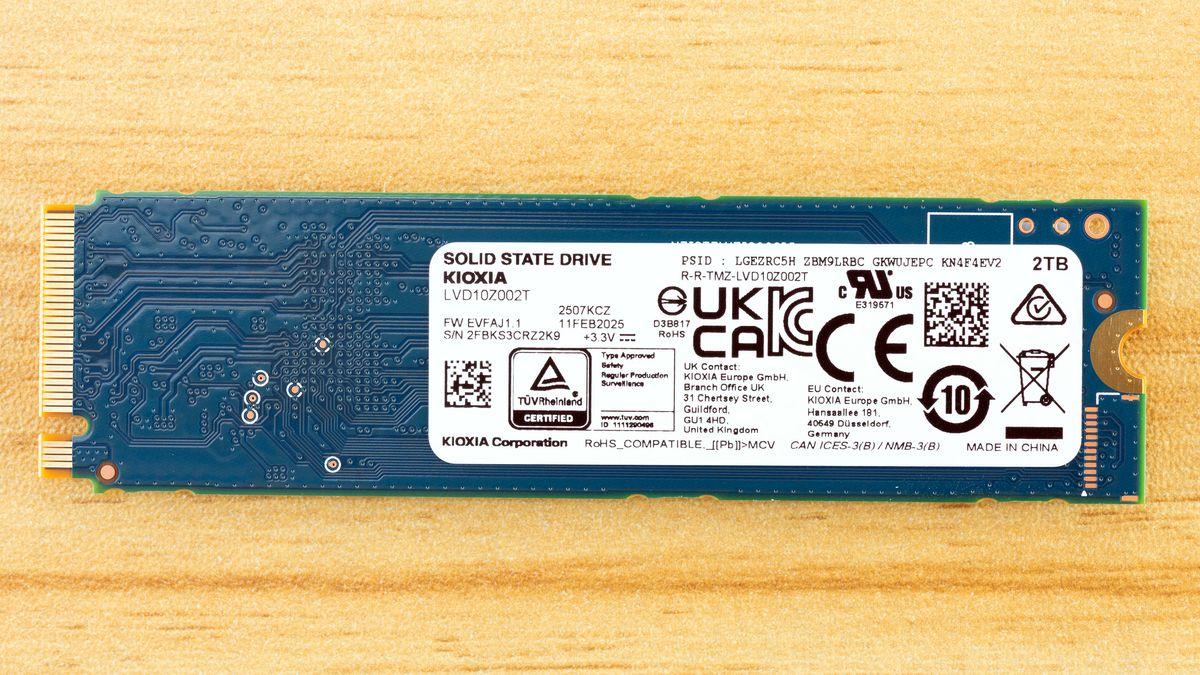
Modern businesses generate more data than ever, and every second matters when that information needs to be accessed. Slow storage can create bottlenecks that affect applications, analytics, backups, and everyday productivity. High-performance storage helps systems respond faster while keeping demanding workloads running smoothly. Choosing the right drive is therefore a strategic decision, not simply a hardware upgrade.
Built For Speed
A Kioxia solid-state drive can provide the responsive performance modern systems need when applications depend on rapid data access. Unlike traditional hard disk drives, solid-state storage has no spinning platters or mechanical read heads, allowing data to be accessed electronically. This design can reduce latency and improve responsiveness across demanding computing environments.
Performance becomes especially important when systems handle databases, virtualization, content creation, analytics, or large file transfers. A well-selected drive can help reduce waiting times and keep workloads moving efficiently. For organizations where productivity depends on fast access to critical information, storage performance can have a noticeable effect on the overall user experience.
Reliable Flash Architecture
Flash memory is central to modern storage because it delivers speed without relying on moving mechanical components. This architecture can also make solid-state solutions well suited to environments where consistent performance, compact hardware, and efficient power usage are important.
For organizations evaluating storage upgrades, several characteristics deserve close attention:
-
Strong read and write performance for demanding workloads
-
Consistent response times during sustained activity
-
Efficient power consumption compared with mechanical storage
-
Compact designs that support modern server configurations
-
Endurance suited to the expected workload and usage pattern
These qualities make enterprise SSD technology particularly valuable for businesses that need dependable storage under continuous workloads. The right combination of speed, endurance, and capacity can provide a stronger foundation for long-term infrastructure growth.
Handling Demanding Workloads
High-performance systems often need to process multiple operations simultaneously. Virtual machines, transactional databases, media applications, and analytical platforms can generate intensive input and output activity. Storage that responds quickly helps prevent the drive from becoming a major bottleneck.
This is where Kioxia drives can fit into performance-focused environments. Their flash-based approach supports workloads where rapid access and dependable operation are priorities. For IT teams, selecting storage based on actual workload behavior rather than capacity alone can lead to a more balanced and effective infrastructure.
Improving Data Center Efficiency
Storage decisions affect more than application speed. In a data center, efficient components can contribute to better use of rack space, power, cooling, and maintenance resources. Modern flash storage can support this broader efficiency strategy while delivering the responsiveness businesses expect from current infrastructure.
When comparing storage platforms, administrators should consider:
-
Expected daily workload intensity
-
Random versus sequential data activity
-
Required capacity and future expansion
-
Endurance requirements for write-heavy applications
-
Compatibility with existing servers and controllers
Taking these factors into account can make data center storage planning more predictable. Instead of selecting hardware based only on specifications, organizations can build a storage environment around practical performance requirements and future business needs.
Supporting Modern Applications
Applications continue to become more data-intensive, making responsive storage increasingly important. Artificial intelligence workloads, large databases, virtualization platforms, and real-time analytics can all benefit from fast access to information. Storage performance can influence how quickly applications retrieve datasets and complete critical operations.
High-speed storage is also useful beyond specialized enterprise environments. Creative professionals working with large video files, engineers handling complex projects, and organizations managing extensive digital archives can all benefit from reduced storage-related delays. As workloads grow, a capable drive can help systems remain responsive instead of forcing users to wait for routine operations.
Choosing Capacity Wisely
Capacity remains an important part of any storage decision, but bigger is not automatically better. A drive should provide enough room for current applications, operational data, temporary files, and reasonable future growth without unnecessarily increasing costs.
Organizations should also examine how storage will be used over time. A workload dominated by frequent writes may require different endurance characteristics than one focused primarily on reading large datasets. Careful planning ensures the chosen hardware matches real operational demands rather than relying on capacity or speed figures in isolation.
Building Smarter Infrastructure
A strong storage strategy considers the entire system rather than one component. Servers, processors, memory, networking, applications, and storage all influence one another. Upgrading a drive can deliver excellent results, but those gains are best realized when the surrounding infrastructure can take advantage of improved performance.
For that reason, businesses should evaluate storage alongside their broader technology roadmap. Selecting dependable components today can simplify future expansion and help organizations respond to growing data requirements. A thoughtful approach can turn storage from a potential bottleneck into an asset that supports continued digital growth.
Conclusion
High-performance storage plays a vital role in keeping modern applications responsive, reliable, and ready for growing data demands. Fast flash technology can reduce bottlenecks while supporting demanding workloads across business and enterprise environments. With careful planning, organizations can balance speed, capacity, endurance, and long-term reliability. For practical storage expertise and infrastructure guidance, Cloud Ninjas can help businesses build a smarter technology strategy.

 English
 Arabic
 French
 Spanish
 Portuguese
 Turkish
 Dutch
Dutch
 Italiano
 Russian
 Romaian
 Portuguese (Brazil)
 Greek
Greek
