


Pure A2 Ghee: Benefits, Purity, Nutrition & How to Choose the Best One
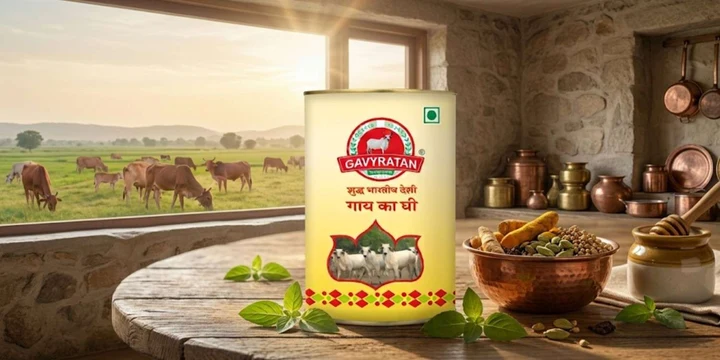
Pure A2 Ghee has become a popular choice among people who prefer traditional Indian foods and naturally sourced dairy products. Ghee has been a part of Indian cooking for generations, valued for its rich aroma, distinctive taste, and versatility. Today, many consumers are specifically looking for Pure A2 Ghee because they want to understand where their ghee comes from, how it is prepared, and what makes it different from ordinary ghee.
The term A2 generally refers to the type of beta-casein protein associated with the milk used to make the dairy product. However, the term “pure” should not be taken for granted simply because a product is labelled A2. The quality of ghee also depends on the milk source, processing method, storage, ingredients, and manufacturing practices.
In this guide, we will explore what Pure A2 Ghee means, how traditional A2 Ghee is prepared, its nutritional characteristics, potential benefits, and what consumers should check before buying it.
What Is Pure A2 Ghee?
Pure A2 Ghee is clarified butter made from milk marketed as containing A2 beta-casein. During the ghee-making process, water and milk solids are separated from butter, leaving behind concentrated milk fat.
Traditionally prepared ghee may involve a process in which milk is first converted into curd, the curd is churned to obtain butter, and the butter is then heated slowly to make ghee. This traditional method is commonly known as the bilona method.
When choosing Pure A2 Ghee, consumers should look beyond the name on the package. Checking the ingredient list, sourcing information, manufacturing details, quality certifications, and packaging can help in making a more informed choice.
How Is Traditional A2 Ghee Made?
The preparation method can influence the taste, aroma, and characteristics of ghee. A traditional process generally involves several stages:
1. Milk Collection
Milk is sourced from cows identified by the producer as producing A2-type milk. Good-quality raw material is an important starting point for producing quality dairy products.
2. Curd Formation
The milk is allowed to ferment into curd using a traditional culture. This stage is different from simply separating cream from milk.
3. Churning
The curd is churned to separate butter from the liquid portion. Traditional bilona-style production uses this churning step to obtain butter.
4. Heating the Butter
The collected butter is gently heated. As it cooks, moisture evaporates and milk solids separate from the fat.
5. Filtration and Storage
The clarified ghee is filtered to remove remaining milk solids and then stored in suitable food-grade containers to maintain its quality.
Nutritional Characteristics of Pure A2 Ghee
Ghee is primarily composed of fat and is therefore an energy-dense food. It can provide calories and may contain naturally occurring fat-soluble vitamins, although the exact nutritional composition can vary depending on the milk source and production process.
Pure A2 Ghee should therefore be viewed as a cooking fat rather than a complete nutritional food. A balanced diet should contain a variety of vegetables, fruits, whole grains, protein sources, and appropriate sources of dietary fat.
Potential Benefits of Pure A2 Ghee
Provides Concentrated Energy
Because ghee is rich in dietary fat, it provides concentrated energy. A relatively small serving can add calories to a meal, making portion control important for people monitoring their overall calorie intake.
Adds Flavor to Traditional Foods
One of the most noticeable qualities of good-quality ghee is its aroma and taste. A small amount can add richness to dal, khichdi, rice, roti, vegetables, and other Indian dishes.
Contains Fat-Soluble Nutrients
Ghee can contain fat-soluble vitamins in varying amounts. Its fat content can also contribute to the absorption of fat-soluble vitamins from foods consumed as part of the same meal.
Useful as a Cooking Fat
Ghee has traditionally been used for cooking and sautéing. It can also be used as a finishing fat, where a small amount is added to a cooked dish to enhance flavor.
However, like other fats, ghee should be consumed in moderation as part of an overall balanced diet.
How to Identify Quality Pure A2 Ghee
Before purchasing A2 Ghee, consider the following:
- Check the ingredient list carefully.
- Look for clear information about the milk source.
- Check whether the product provides relevant food safety and quality information.
- Examine the manufacturing and expiry dates.
- Prefer properly sealed, food-grade packaging.
- Avoid products making unrealistic medical or disease-treatment claims.
- Compare the manufacturer's information with the claims made on the label.
A higher price does not automatically mean that a ghee is purer or healthier. Transparency about sourcing and production is more useful when evaluating a product.
How to Use Pure A2 Ghee in Everyday Meals
Pure A2 Ghee can be incorporated into meals in simple ways. You can add a small amount to dal, khichdi, rice, roti, or cooked vegetables. It can also be used in traditional Indian recipes where ghee is part of the cooking process.
The key is moderation. Since ghee is calorie-dense, the amount consumed should fit within your overall dietary requirements.
Conclusion
Pure A2 Ghee combines a traditional Indian food with growing consumer interest in milk sourcing and traditional preparation methods. While it can add flavor, energy, and dietary fat to meals, it should not be considered a miracle food or a replacement for a balanced diet.
When choosing Pure A2 Ghee, focus on transparent sourcing, ingredients, manufacturing information, food safety standards, and responsible consumption rather than relying only on marketing claims. Used in appropriate quantities, quality ghee can be a flavorful part of a varied and balanced diet.

 English
 Arabic
 French
 Spanish
 Portuguese
 Deutsch
 Turkish
 Italiano
 Russian
 Romaian
 Portuguese (Brazil)
 Greek
Greek
