


How to Choose the Right Dentures: Types, Benefits & Cost Explained
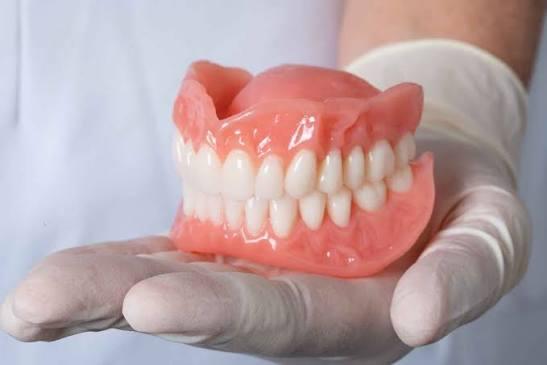
For patients missing several teeth or an entire arch, dentures remain one of the most reliable and widely used solutions in restorative dentistry. They've come a long way from the bulky, uncomfortable appliances many people associate with the past, modern options are more comfortable, natural-looking, and functional than ever. If you're exploring a denture in Sambalpur for yourself or a family member, understanding the different types available, their respective benefits, and what influences their cost will help you make a confident, informed decision.
This guide walks through everything you need to know before choosing the denture option that's right for your situation.
What Are Dentures?
Dentures are removable appliances designed to replace missing teeth and the surrounding gum tissue. They're custom-made to fit the contours of your mouth, restoring the ability to chew, speak clearly, and maintain the natural shape of your face, which can otherwise change once teeth are lost and the jawbone begins to shrink.
Dentures can replace a full arch of teeth or just a section, depending on how many natural teeth remain and the patient's specific needs.
Types of Dentures
Choosing the right type starts with understanding what's available and how each option suits different situations.
Complete Dentures are used when all teeth in an arch are missing. They rest directly on the gums and are held in place through natural suction and, in some cases, denture adhesive. Complete dentures are typically fitted a few weeks after any remaining teeth are removed, allowing the gums time to heal and settle into their post-extraction shape.
Partial Dentures are designed for patients who still have some natural teeth remaining. They fill the gaps left by missing teeth while clasping onto the surrounding natural teeth for stability. This option helps prevent the remaining teeth from shifting out of position, which can happen when gaps are left untreated for too long.
Immediate Dentures are placed on the same day that teeth are extracted, meaning you're never without teeth during the healing period. While convenient, they often require adjustments as the gums heal and change shape over the following months, and many patients eventually transition to a conventional denture once healing is complete.
Implant-Supported Dentures combine the stability of dental implants with the coverage of a denture. A small number of implants are placed in the jawbone, and the denture snaps onto them, significantly reducing movement compared to a traditional removable denture.
What Determines Denture Cost
Several factors influence how much dentures cost, including the type chosen, complete versus partial versus implant-supported, the materials used for both the base and the artificial teeth, and whether any preparatory procedures like extractions are needed beforehand. Implant-supported dentures generally cost more than conventional removable options due to the surgical component involved, but they offer significantly improved stability in exchange.
If you're weighing an implant-supported denture against a standard implant, it helps to understand the broader cost factors involved in implant treatment first, our earlier guide on Dental Implant Cost: What Determines the Overall Treatment Price? breaks down exactly what drives that number, from bone grafting needs to materials and clinician experience, and is worth reading alongside this one if cost is a deciding factor for you.
Key Benefits of Dentures
Dentures offer several advantages that continue to make them a popular choice for tooth replacement. They're generally more affordable upfront compared to implant-based solutions, making them accessible to a wider range of patients. They also restore facial structure that can sag or change shape after significant tooth loss, helping patients maintain a more youthful appearance. Modern denture materials and fabrication techniques have significantly improved comfort and appearance compared to older versions, with many patients finding it difficult for others to tell they're wearing dentures at all.
Additionally, dentures don't require surgery in most cases, making them a suitable option for patients who aren't candidates for surgical procedures due to health conditions or personal preference.
What to Expect During the Fitting Process
Getting fitted for dentures typically begins with a thorough oral examination, including impressions of your mouth to ensure a precise, custom fit. If teeth need to be extracted first, your dentist will discuss the healing timeline before your permanent dentures are fabricated and fitted.
The first few weeks with new dentures often involve an adjustment period. It's common to experience some soreness, increased saliva production, and a period of getting used to speaking and eating with the appliance. Most patients adapt within a few weeks, and follow-up visits allow your dentist to make any necessary adjustments for a more comfortable, secure fit.
Comparing Dentures to Other Tooth Replacement Options
While dentures work well for many patients, it's worth understanding the alternatives to make sure you're choosing the option that best fits your needs and long-term goals. Dental implant treatment offers a more permanent, fixed solution that doesn't require removal and helps preserve jawbone density in a way that dentures, which sit on top of the gums, cannot. For patients with sufficient bone health and budget, implants often provide superior long-term stability, though at a higher upfront cost and with a longer treatment timeline involving surgery and healing.
Caring for Your Dentures
Proper care significantly extends the life of your dentures and keeps your mouth healthy. Removing and rinsing them after meals, brushing them daily with a denture-specific cleaner, and soaking them overnight in a proper solution all help maintain their condition. It's equally important to keep your gums and any remaining natural teeth clean, as gum health directly affects how well your denture fits over time.
Regular dental checkups remain essential even after you've been fitted with dentures, since your jawbone and gum tissue continue to change shape over the years, which can affect fit and require periodic adjustments or eventual replacement.
When a Bridge Might Be a Better Fit
For patients missing just one or two teeth with healthy neighboring teeth, crown & bridge treatment can be a faster alternative that doesn't require the daily removal and cleaning routine associated with dentures. Bridges are fixed in place, though they do involve reshaping the adjacent teeth to support the restoration, which is a trade-off worth weighing against the non-invasive nature of a partial denture.
Making the Right Choice for You
Choosing the right denture ultimately comes down to your specific oral health situation, budget, and lifestyle priorities. Patients who prioritize affordability and a non-surgical solution often find conventional or partial dentures suit their needs well, while those seeking maximum stability and are open to a surgical procedure may find implant-supported dentures a better long-term fit.
Whatever direction feels right, an open conversation with your dentist is the best starting point. They can assess your remaining teeth, gum health, and bone structure, and walk you through realistic expectations for comfort, function, and appearance based on the option you're considering.
At Oro Dental Clinic Sambalpur, patients receive a thorough evaluation and honest guidance on which denture type, or alternative treatment, genuinely fits their needs, rather than a one-size-fits-all recommendation.
source:-https://telescope.ac/

 English
 Arabic
 Spanish
 Portuguese
 Deutsch
 Turkish
 Dutch
Dutch
 Italiano
 Russian
 Romaian
 Portuguese (Brazil)
 Greek
Greek
