


Climber Plants Complete Guide to Growing Beautiful Vertical Gardens
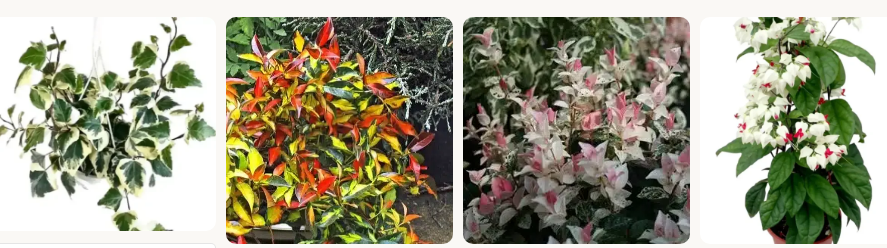
Climber plants are a wonderful choice for adding greenery, color, and natural beauty to gardens, balconies, terraces, fences, and walls. These plants grow upward with the help of support structures and can transform empty spaces into attractive green areas.
From colorful flowering climbers to fast growing leafy vines, there are many types of climber plants suitable for different garden spaces. With proper sunlight, soil, watering, and support, climber plants can grow beautifully and create an impressive vertical display.
What Are Climber Plants
Climber plants are plants that grow upward by using nearby structures for support. Unlike trees and many shrubs, climbers usually have long and flexible stems that need support to continue growing vertically.
They may climb using different methods. Some plants use twining stems, while others grow with tendrils or attach themselves to suitable surfaces.
Climber plants are commonly grown on
- Garden walls
- Fences
- Trellises
- Pergolas
- Arches
- Balcony railings
- Gates
- Support poles
These plants can help make better use of vertical space, especially in smaller gardens and urban homes.
Why Grow Climber Plants
Climber plants offer many benefits for home gardens and outdoor spaces.
- Add greenery without taking up much ground space
- Cover empty walls and fences
- Create natural privacy
- Add colorful flowers to outdoor areas
- Improve the appearance of balconies and terraces
- Provide shade in suitable locations
- Create attractive garden entrances
- Make vertical spaces look more natural
Many climber plants also attract butterflies, bees, and other pollinators when they produce flowers.
Popular Types of Climber Plants
There are many varieties of climber plants available for gardens and homes. The best choice depends on your local climate, available sunlight, and the type of support structure.
Bougainvillea
Bougainvillea is a popular flowering climber known for its bright and colorful bracts. It grows well in sunny conditions and can be trained along walls, fences, gates, and pergolas.
Regular pruning can help control its shape and encourage a fuller appearance.
Money Plant
Money plant is a popular climber for homes and indoor spaces. It can be grown in soil or water and can be trained to grow around support poles or decorative structures.
It generally prefers bright indirect light but can adapt to different indoor conditions.
Jasmine
Jasmine is admired for its attractive flowers and pleasant fragrance. Different varieties have different growing requirements, but many jasmine plants can be trained to grow on trellises, fences, and garden supports.
A sunny or partially sunny location can support healthy growth depending on the variety.
Morning Glory
Morning glory is known for its fast growing nature and attractive flowers. It can be grown on fences, trellises, and other vertical structures.
With suitable sunlight and care, it can quickly create a colorful vertical display.
Passion Flower
Passion flower is an attractive climbing plant with unique and decorative flowers. It can be grown on strong support structures and may become a striking feature in a garden.
Provide adequate space because some varieties can grow vigorously.
Clematis
Clematis is a popular flowering climber with many varieties and flower colors. It can be trained on trellises, walls, and garden structures.
The growing requirements can vary depending on the specific variety, so choose a suitable type for your local climate.
Choosing the Right Location
The location of your climber plants plays an important role in their growth. Before planting, check how much sunlight the area receives during the day.
Some climbers grow best in full sunlight, while others prefer partial shade or bright indirect light.
Also consider the available vertical space. Fast growing climbers may need regular pruning to prevent them from spreading into unwanted areas.
Choose a location where you can easily provide suitable support for the plant.
Best Soil for Climber Plants
Most climber plants grow well in fertile and well draining soil. The soil should hold enough moisture for the roots while allowing excess water to drain away.
Adding organic matter can help improve soil quality and support healthy plant growth.
The exact soil requirements may vary depending on the plant variety. Some climbers may prefer slightly different soil conditions, so it is helpful to understand the needs of the specific plant you choose.
How Often Should You Water Climber Plants
Watering requirements depend on the type of climber, weather conditions, soil, and the age of the plant.
Young plants usually need more regular watering while their roots are becoming established. Mature plants may require less frequent watering depending on the variety.
Check the soil before watering. Avoid keeping the soil constantly waterlogged because excess moisture can lead to root problems.
Container grown climber plants may dry out faster than plants growing directly in the ground, so they may require more regular attention.
Supporting Climber Plants
Most climber plants need a structure that allows them to grow upward safely.
Popular support options include
- Wooden trellises
- Metal frames
- Bamboo poles
- Garden arches
- Pergolas
- Fences
- Wires and support systems
- Balcony railings
Choose a support structure that is strong enough for the mature size and weight of the plant.
Guide young stems carefully toward the support. Some plants may naturally attach themselves, while others may need to be gently tied using suitable garden ties.
Avoid tying stems too tightly because this can restrict natural growth.
How to Plant Climber Plants
Choose a suitable location based on the light requirements of the plant. Prepare the soil by removing weeds and improving drainage if necessary.
Dig a hole large enough for the root ball. Carefully place the plant into the soil and fill the surrounding area.
Water after planting and provide a suitable support structure nearby.
When planting close to a wall or fence, leave enough space for air circulation and root development.
Fertilizing Climber Plants
Climber plants can benefit from nutrients during their active growing period. A suitable fertilizer or organic compost can support healthy growth.
Flowering climbers may benefit from balanced nutrition that supports both foliage and flower development.
Avoid excessive fertilizer because too much feeding can encourage unwanted growth or create nutrient related problems.
Follow the requirements of the specific climber variety for the best results.
Pruning and Training Climber Plants
Pruning helps maintain the shape, size, and overall health of climber plants.
Remove damaged, dry, or overcrowded stems when necessary. Trim excessive growth to prevent the plant from becoming too dense.
Training is also important for guiding the plant along a trellis, fence, or other structure.
Regular pruning can help improve air circulation and create a more attractive appearance.
Different climber plants may require pruning at different times, especially flowering varieties. Understanding the flowering pattern of your plant can help you choose the right time for pruning.
Growing Climber Plants in Pots
Many climber plants can be successfully grown in containers. This is a useful option for balconies, terraces, patios, and small outdoor spaces.
Choose a container with enough room for the roots and make sure it has proper drainage holes.
Use a good quality well draining potting mix and provide a support structure for the climbing stems.
Container plants may need more regular watering and feeding because they have limited soil compared to plants growing in the ground.
Regular pruning can help maintain the desired size.
Common Problems with Climber Plants
Climber plants can experience several problems if their growing conditions are not suitable.
Slow Growth
Slow growth can be caused by insufficient sunlight, poor soil, limited root space, or unsuitable watering.
Check whether the plant is receiving the right amount of light and make sure the roots have suitable growing conditions.
Yellow Leaves
Yellow leaves can occur due to overwatering, poor drainage, nutrient issues, or environmental stress.
Check the soil and review your watering routine.
Few or No Flowers
Flowering climbers may produce fewer flowers if they do not receive enough sunlight or if they receive excessive fertilizer that encourages leaf growth.
Review the light conditions and feeding routine.
Weak Growth
Weak or stretched growth may happen when a plant is searching for more light.
Move the plant to a more suitable location if possible and provide proper support.
Pest Problems
Regularly inspect leaves and stems for signs of pests. Early identification can make it easier to manage potential problems.
Keep the growing area clean and remove damaged plant material when necessary.
Best Climber Plants for Different Spaces
The right climber can depend on where you want to grow it.
For Garden Walls
Bougainvillea, jasmine, and passion flower can create attractive vertical coverage when grown in suitable conditions.
For Balconies
Money plant and smaller climbing varieties can be suitable for containers and balcony railings.
For Pergolas and Arches
Fast growing and flowering climbers can create an attractive natural cover over garden structures.
For Indoor Spaces
Money plant and other indoor friendly climbers can be grown with support poles or decorative trellises.
Tips for Growing Healthy Climber Plants
Follow these simple tips to keep your climber plants healthy and attractive.
- Choose a plant suitable for your climate
- Provide the correct amount of sunlight
- Use fertile and well draining soil
- Water according to the needs of the plant
- Provide strong and suitable support
- Prune regularly to control growth
- Remove damaged or unhealthy stems
- Avoid excessive fertilizer
- Monitor the plant for pests and growth problems
- Give the plant enough space to grow
Climber plants can turn plain walls, fences, balconies, and garden structures into beautiful green spaces. Choosing the right variety and providing suitable care can help these plants grow successfully and create an attractive vertical garden.

 English
 Arabic
 French
 Portuguese
 Deutsch
 Turkish
 Dutch
Dutch
 Italiano
 Russian
 Romaian
 Portuguese (Brazil)
 Greek
Greek
