


What Size Dumpster Do I Need? Match the Bin to Your Mess
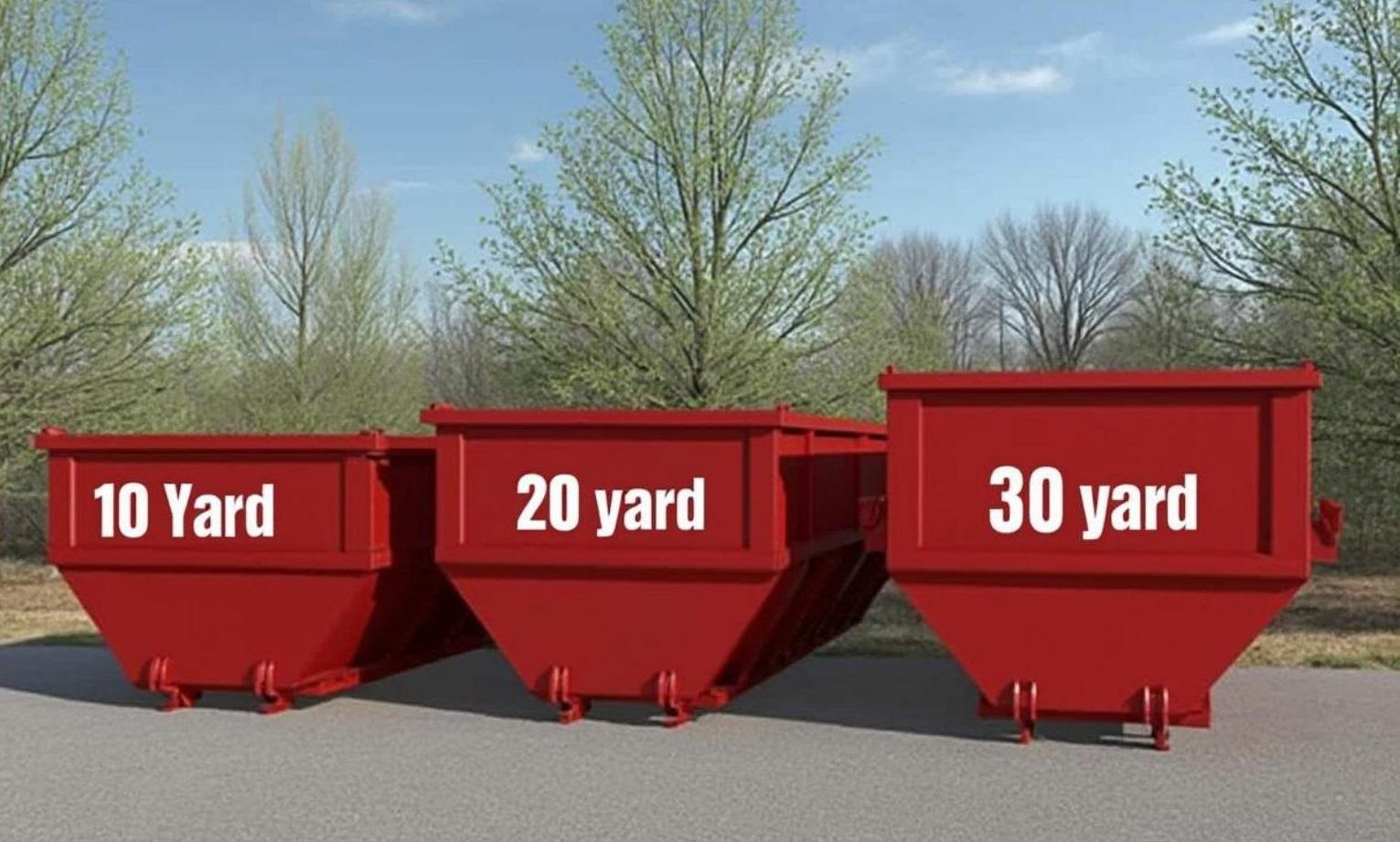
What size dumpster do I need is one of the first questions to answer before starting a home cleanout, renovation, roofing job, or construction project. Choosing the wrong capacity can leave you with overflowing debris, wasted space, or the need for another pickup.
The good news is that choosing the right dumpster size is easier when you think about what you’re throwing away, how much there is, how heavy it will be, and where you’ll put the container. This guide explains common dumpster sizes and helps you pick the right one for your project.
Why Dumpster Size Matters
Dumpster sizes are measured in cubic yards. A bigger number means more space, but it doesn’t mean the dumpster can hold unlimited weight.
For example, household furniture takes up a lot of space but isn’t very heavy, while roofing shingles, concrete, tile, and soil can get heavy fast. So, picking a dumpster size is about more than just counting bags.
Selecting the right size can help you:
- Complete the project without unnecessary additional pickups.
- Keep debris contained throughout the cleanup.
- Plan adequate space for delivery and removal.
- Avoid choosing a container that is unnecessarily large.
- Stay within applicable weight and loading restrictions.
Common Dumpster Sizes Explained
A simple dumpster size chart can help you compare capacities, but keep in mind that exact measurements may differ depending on the company.
10 Yard Dumpster
A 10 yard dumpster is often used for smaller projects with less debris. It’s a good choice for:
- Garage, basement, or attic cleanouts.
- Small bathroom renovations.
- Minor landscaping projects.
- Decluttering and moving.
- Small amounts of construction debris.
When researching 10 yard dumpster dimensions, remember that length, width, and height can differ between containers. Confirm the actual measurements before delivery.
20 Yard Dumpster
A 20 yard dumpster gives you more space for medium-sized projects. It’s helpful for:
- Larger household cleanouts.
- Flooring replacement.
- Kitchen remodeling.
- Multiple-room renovations.
- Furniture removal.
- Moderate construction debris.
For many homeowners, this size offers a good balance between how much it holds and how easy it is to place.
30 Yard Dumpster
A 30 yard dumpster is made for projects that create a lot more debris. It’s typically used for:
- Major home renovations.
- Large property cleanouts.
- Construction and demolition work.
- Commercial remodeling.
- Large roofing projects.
- Extensive renovation debris.
Before picking a bigger dumpster, make sure to check both its size and how much weight it can handle.
How to Determine What Size Dumpster You Need
Don’t just guess—follow these five steps instead.
1. Identify Your Project
Start by figuring out what kind of job you have. Cleaning out a garage, replacing a roof, remodeling a kitchen, or working on a commercial project will all create different types and amounts of waste.
2. Estimate Your Debris Volume
Think about how much furniture, boxes, drywall, flooring, fixtures, cabinets, or other stuff you’ll need to get rid of.
If you are wondering what size dumpster do I need for a house cleanout, consider whether you are clearing one room, several rooms, or the entire property.
3. Consider Debris Weight
Volume is just one part of the decision. Heavy materials can hit the weight limit even if the dumpster doesn’t look full.
Concrete, dirt, brick, tile, and roofing materials deserve particular attention because they can be significantly heavier than ordinary household junk.
4. Measure the Placement Area
You’ll need enough space for both the dumpster and the delivery truck. Check your driveway width, overhead clearance, access points, and the dumpster’s real size.
This is particularly important when comparing roll off dumpster sizes for residential driveways.
5. Check Accepted Materials
Different rental companies have their own rules about what you can and can’t throw away. Ask what’s allowed before you start filling the dumpster.
Project Examples: Matching Waste to Capacity
If you’re cleaning out a single-car garage full of old boxes, shelves, small furniture, and clutter, a smaller dumpster might be enough.
For a whole-house cleanout with furniture, appliances, mattresses, boxes, and other items, you’ll probably need a larger dumpster.
During a kitchen renovation, cabinets, flooring, drywall, countertops, and fixtures can add up fast. A bathroom remodel might create less waste, but heavy materials like tile can still affect the weight.
Roofing projects require another type of calculation. If you are asking what size dumpster do I need for a house roof replacement, consider the roof area, number of shingle layers, and material weight rather than relying solely on the dumpster’s cubic-yard capacity.
Dumpster Sizes for Residential and Commercial Projects
Residential projects typically use temporary containers for cleanouts, renovations, moving, landscaping, and repairs. Contractors may need larger dumpster rental sizes for recurring construction and demolition work.
Commercial properties can also have different requirements. Front load dumpster sizes are generally associated with ongoing commercial waste collection, while roll-off containers are commonly used for temporary projects producing larger amounts of debris.
Looking up dumpster sizes and prices can give you a general idea, but the actual size, availability, price, accepted materials, and weight limits will depend on the company and your location.
A Simple Way to Make Your Choice
If you are still asking, what size dumpster do I need calculator tools can provide an initial estimate, but they should not replace project-specific planning.
Here’s a simple way to decide:
- Small cleanup: Consider a 10-yard option.
- Medium renovation or cleanout: A 20-yard option may provide more practical capacity.
- Large renovation or construction project: A 30-yard option may be more appropriate.
- Heavy debris: Focus carefully on weight limits rather than volume alone.
- Commercial recurring waste: Consider whether a front-load container is more appropriate than a temporary roll-off.
The goal isn’t just to pick the biggest dumpster. You want one that fits your debris volume, weight, materials, and available space.
Frequently Asked Questions
What size dumpster do I need for furniture?
The right size depends on how much furniture you’re getting rid of. A few pieces might fit in a small dumpster, but a whole house of furniture will need a bigger one.
What size dumpster do I need for a house cleanout?
A small cleanout might only need a 10-yard dumpster, but a full house cleanout could need a 20- or 30-yard one. Be sure to count furniture, appliances, boxes, and other items in your estimate.
What is the difference between 10-yard, 20-yard, and 30-yard dumpsters?
The main difference is how much each dumpster holds. A 10-yard dumpster holds less than a 20-yard, and a 30-yard holds even more. The actual size and weight limits can change depending on the company.
How do I know if my dumpster will be large enough?
Figure out how much and what kind of debris you have, think about the weight, and compare your estimate to the dumpster’s size and loading rules. If you’re close to the limit, ask the rental company which size is best.
Can I put heavy materials in a dumpster?
Some dumpsters can take heavy materials, but there are weight limits and rules about what you can throw away. Always check what’s allowed and the weight limit before tossing concrete, soil, brick, tile, or roofing debris.
Are dumpster dimensions the same everywhere?
No. Just because two dumpsters are listed as the same size doesn’t mean they have the same measurements. For example, two 20-yard dumpsters might have different lengths, widths, or heights.
Conclusion
So, what size dumpster do I need? The answer depends on your project’s debris volume, material type, weight, available placement space, and local disposal requirements.
A 10-yard dumpster works well for small cleanouts, while 20- and 30-yard options give you more space for bigger renovations or construction. Don’t just look at the cubic yards—always check the real size and weight limits.
For more help and to see what sizes are available, check the dumpster rental company’s size information before you decide.
If you need help picking the right dumpster for your project, contact Top Dumpster Rental and talk through your project details before booking.

 English
 Arabic
 French
 Spanish
 Deutsch
 Turkish
 Dutch
Dutch
 Italiano
 Russian
 Romaian
 Portuguese (Brazil)
 Greek
Greek
