


Portable Gas Monitor: A Complete Guide to Gas Safety
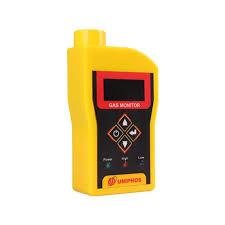
Introduction
Industrial workplaces can involve gases that pose significant risks to employees and operations. Toxic gases, combustible gases and oxygen-deficient atmospheres may occur in manufacturing facilities, chemical plants, oil and gas operations, storage areas, laboratories and confined spaces.
A portable gas monitor provides workers with a mobile way to monitor the atmosphere around them. Unlike fixed gas detection systems that remain installed at specific locations, portable gas monitors can be carried by personnel and used while moving between different work areas.
Portable gas detection can be particularly useful for workers performing maintenance, inspection, leak testing, confined-space entry and other tasks where atmospheric conditions may change.
Uniphos Envirotronic offers portable gas detection instruments designed for applications including personal monitoring, leak testing and confined-space entry.
What Is a Portable Gas Monitor?
A portable gas monitor is a compact, battery-powered gas detection instrument that measures the concentration of one or more target gases in the surrounding atmosphere.
The instrument generally includes:
-
Gas sensors
-
Display
-
Audible alarm
-
Visual alarm indicators
-
Vibration alarm in applicable models
-
Battery
-
Electronic measurement system
-
Data or communication features depending on the model
Because the instrument is portable, workers can carry it into different areas and continuously monitor atmospheric conditions during their work.
How Does a Portable Gas Monitor Work?
A portable gas monitor works by continuously sampling the surrounding atmosphere and measuring the concentration of gases for which its sensors are configured.
The general process is:
1. Atmospheric Sampling
The surrounding air reaches the sensor through the instrument's sampling system.
2. Gas Detection
The sensor responds to the target gas present in the atmosphere.
3. Concentration Measurement
The monitor processes the sensor signal and determines the gas concentration.
4. Display and Indication
The detected concentration is displayed to the user.
5. Alarm Activation
If the gas concentration reaches a configured alarm threshold, the instrument can alert the worker through available alarm mechanisms.
This allows workers to receive immediate information about changing atmospheric conditions while performing their tasks.
Why Is a Portable Gas Monitor Important?
A portable gas monitor provides workers with personal and mobile atmospheric monitoring.
It can be particularly valuable when employees move through multiple areas where gas concentrations may vary.
Important advantages include:
-
Mobility: Workers can carry the monitor between locations.
-
Continuous monitoring: The surrounding atmosphere can be monitored while work is underway.
-
Immediate alarms: Workers can receive alerts when configured gas limits are exceeded.
-
Confined-space applications: Portable gas detection can support atmospheric monitoring during appropriate confined-space procedures.
-
Leak detection: Suitable instruments can be used to investigate suspected gas leaks.
-
Personal awareness: Workers can remain aware of atmospheric conditions around them.
Portable monitoring should complement, rather than automatically replace, fixed gas detection and other safety controls where those systems are required.
Portable Gas Monitor vs Fixed Gas Detector
Portable and fixed gas detection systems perform different functions.
A fixed gas detector is permanently installed at selected locations and continuously monitors those areas. A portable gas monitor is carried by an individual and provides mobile monitoring.
|
Feature |
Portable Gas Monitor |
Fixed Gas Detector |
|
Installation |
Carried by user |
Permanently installed |
|
Monitoring |
Mobile/personal |
Fixed area |
|
Power |
Typically battery-powered |
Usually connected to facility power |
|
Main application |
Personal monitoring, inspection and mobile work |
Continuous area monitoring |
|
Mobility |
High |
Low |
|
Monitoring location |
Changes with worker |
Predetermined location |
|
Alarm |
Local instrument alarm |
Local and/or centralized alarm |
For comprehensive industrial safety, organizations may use both technologies according to their risk assessment and safety procedures.
Where Are Portable Gas Monitors Used?
Portable gas monitors can be used in numerous industrial applications.
Confined-Space Entry
Confined spaces can present atmospheric hazards, including oxygen deficiency and hazardous gas accumulation. Appropriate gas testing and monitoring are therefore important parts of confined-space safety procedures.
A portable gas monitor can allow workers to monitor atmospheric conditions during applicable confined-space activities.
Oil and Gas Industry
Oil and gas facilities can contain areas where combustible or toxic gases may be released. Portable gas monitors can be used during inspection, maintenance and other field activities.
Chemical Plants
Chemical processing environments may involve toxic or flammable gases. Portable gas detection can help workers monitor atmospheric conditions during selected tasks.
Manufacturing Facilities
Manufacturing plants may use portable gas monitors around machinery, storage areas, production equipment and maintenance locations where gas hazards may exist.
Leak Testing
Some portable instruments are designed for gas leak detection applications, helping personnel investigate potential release points.
Maintenance and Inspection
Workers performing maintenance may enter areas where process conditions have changed. Portable gas monitoring can provide an additional layer of atmospheric awareness during applicable work activities.
Types of Portable Gas Monitors
Portable gas monitors can be categorized according to the number and type of gases they detect.
Single-Gas Monitors
A single-gas monitor is designed to detect one specific target gas. It can be suitable when a particular gas represents the primary hazard in an application.
Multi-Gas Monitors
A multi-gas monitor can detect several gases using multiple sensors in a single portable instrument.
These monitors can be useful when workers may encounter more than one atmospheric hazard.
Portable Gas Leak Detectors
Certain portable instruments are specifically designed to locate or identify gas leaks. They can be useful during inspection and maintenance activities.
Common Gases Monitored by Portable Gas Detectors
Depending on the instrument and sensor configuration, portable gas monitors may be designed to detect gases such as:
-
Oxygen
-
Carbon monoxide
-
Hydrogen sulfide
-
Combustible gases
-
Flammable gases
-
Other toxic gases
The appropriate instrument should always be selected based on the specific gases present in the workplace and the requirements of the application.
Key Features to Consider When Choosing a Portable Gas Monitor
Choosing the right portable gas monitor requires consideration of the work environment and the hazards workers may encounter.
1. Number of Gases
Determine whether the application requires single-gas or multi-gas monitoring.
2. Sensor Technology
Select sensors appropriate for the gases that need to be detected.
3. Alarm System
Consider the available audible, visual and vibration alarms so workers can receive warnings in different workplace conditions.
4. Battery Life
Battery performance is important when the instrument is intended for extended field use.
5. Display
A clear display can help workers quickly understand current gas concentration readings and alarm conditions.
6. Size and Weight
A compact and lightweight design can make the monitor easier to carry during long work periods.
7. Environmental Conditions
Temperature, humidity, dust, chemicals and other environmental factors should be considered when selecting the instrument.
8. Maintenance and Calibration
Choose equipment that can be inspected and calibrated according to a suitable maintenance program.
Portable Gas Monitor for Confined-Space Safety
Confined spaces can have potentially dangerous atmospheric conditions because of limited ventilation and the possibility of hazardous gas accumulation.
Depending on the site's safety procedures, workers may need to assess the atmosphere before entering and continue monitoring during the work.
A portable gas monitor can help detect changes in oxygen levels or concentrations of hazardous gases while workers are performing applicable confined-space activities.
However, gas monitoring should be part of a complete confined-space safety program that includes appropriate entry procedures, ventilation, communication, rescue planning and other required controls.
Benefits of Using a Portable Gas Monitor
A reliable portable gas monitor can provide several practical advantages:
Personal Atmospheric Monitoring
Workers can carry the instrument with them instead of depending exclusively on monitoring equipment installed elsewhere.
Early Warning
Alarms can alert workers when gas concentrations reach configured thresholds.
Flexible Monitoring
The same instrument can be used across different work areas when appropriate.
Support for Maintenance Activities
Portable gas detection can provide atmospheric information during inspection and maintenance work.
Leak Investigation
Suitable portable instruments can assist in identifying potential gas leak locations.
Additional Safety Layer
Portable monitoring can complement fixed detection systems and other engineering and administrative controls.
Best Practices for Using a Portable Gas Monitor
The performance of a portable gas monitor depends not only on the instrument but also on correct use.
Recommended practices include:
-
Inspect the instrument before use.
-
Check the battery condition.
-
Verify that the correct sensors are installed.
-
Perform required bump tests and calibration according to manufacturer and site procedures.
-
Follow the manufacturer's operating instructions.
-
Keep sensor openings unobstructed.
-
Wear the monitor in an appropriate location according to the risk assessment and instrument instructions.
-
Respond immediately to alarms according to established emergency procedures.
-
Keep maintenance and calibration records.
-
Replace sensors and other components when required.
Workers should be trained to understand the monitor's readings, alarms, limitations and required emergency response.
Maintenance and Calibration of Portable Gas Monitors
Regular maintenance is essential for dependable gas detection.
A maintenance program may include:
-
Visual inspection.
-
Battery inspection.
-
Sensor condition checks.
-
Functional testing.
-
Required bump testing.
-
Calibration at the manufacturer's recommended interval.
-
Alarm verification.
-
Inspection of sampling components where applicable.
-
Replacement of worn or expired components.
-
Documentation of service activities.
Calibration requirements can vary according to the instrument, sensor type, operating environment and manufacturer's recommendations.
Why Choose Uniphos Portable Gas Detection Solutions?
Uniphos Envirotronic provides gas detection solutions for industrial and specialized applications. Its portable gas detection portfolio includes the GT Series, designed for applications such as leak testing and confined-space entry.
Uniphos describes its GT Series as portable gas detection instruments intended to provide gas measurement and monitoring for applicable industrial applications.
The company's broader gas detection portfolio also includes fixed gas detectors, gas transmitters and controllers, allowing organizations to consider different gas monitoring technologies according to their safety requirements.
Portable Gas Monitor for Industrial Safety
A portable gas monitor can provide workers with an important layer of personal atmospheric awareness when operating in environments where hazardous gases may be present.
From confined-space work and maintenance to leak testing and industrial inspection, portable gas detection can help workers identify potentially hazardous atmospheric conditions and respond according to established safety procedures.
The most appropriate monitor depends on the target gases, number of sensors, work environment, alarm requirements, battery requirements and applicable safety procedures.
With its portable gas detection solutions, Uniphos Envirotronic provides instruments for applications where mobile gas monitoring is required.
Conclusion
A portable gas monitor provides mobile gas detection for workers who operate in environments where atmospheric hazards may change from one location to another. By continuously monitoring selected gases and providing alarms when configured thresholds are reached, portable gas detection can support workplace safety.
For effective gas monitoring, organizations should select equipment based on the specific gases, workplace conditions and operational requirements. Regular inspection, testing, calibration and worker training are also essential.
Uniphos Envirotronic offers portable gas detection solutions designed for industrial applications, helping organizations address their gas monitoring requirements with suitable portable detection technology.
Frequently Asked Questions About Portable Gas Monitors
What is a portable gas monitor?
A portable gas monitor is a battery-powered instrument carried by a worker to measure and monitor the concentration of specific gases in the surrounding atmosphere.
What is the difference between a portable gas monitor and a fixed gas detector?
A portable gas monitor is carried by a worker and provides mobile monitoring, while a fixed gas detector is permanently installed at a specific location for continuous area monitoring.
What gases can a portable gas monitor detect?
Depending on the model and sensor configuration, portable gas monitors can detect oxygen, toxic gases, combustible gases, flammable gases and other target gases.
Why is a portable gas monitor used in confined spaces?
Portable gas monitors can help workers assess and continuously monitor atmospheric conditions during applicable confined-space activities, including potential oxygen deficiency and hazardous gas exposure.
How often should a portable gas monitor be calibrated?
Calibration frequency depends on the instrument, sensor, operating environment and manufacturer's recommendations. Users should follow the applicable manufacturer and workplace procedures.
Can a portable gas monitor detect gas leaks?
Yes, suitable portable gas detection instruments can be used for gas leak detection. The correct instrument should be selected according to the target gas and leak-detection application.
What should I consider when buying a portable gas monitor?
Consider the target gases, number of sensors, sensor technology, alarm types, battery life, display, environmental conditions, size, maintenance requirements and applicable safety requirements.
Does Uniphos offer portable gas monitors?
Yes. Uniphos Envirotronic offers portable gas detection instruments, including its GT Series, for applications such as leak testing and confined-space entry.

 English
 Arabic
 French
 Spanish
 Portuguese
 Deutsch
 Turkish
 Dutch
Dutch
 Italiano
 Russian
 Romaian
 Greek
Greek
